
idfg-badge

Idaho Fish and Game

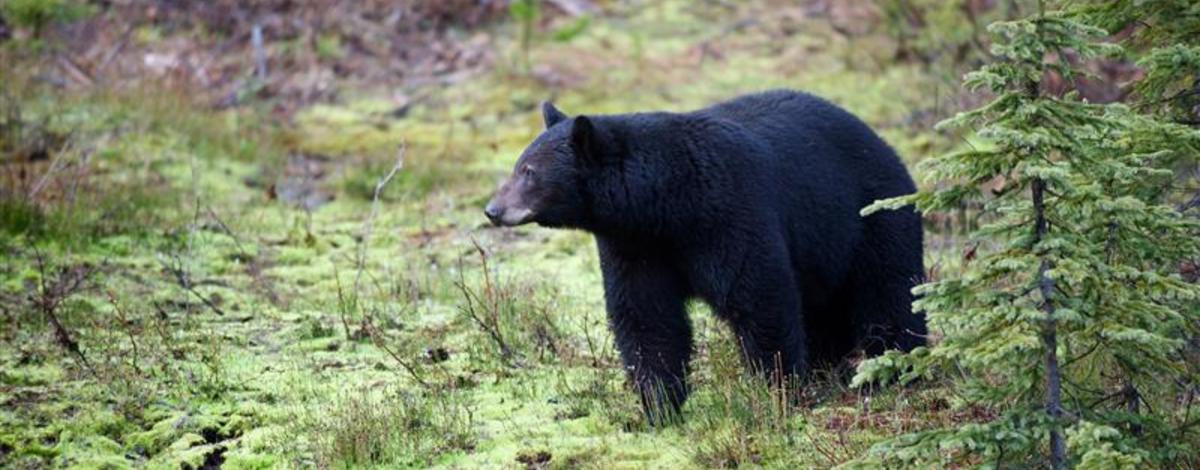
A black bear in a grassy meadow

Fish and Game reminds Wood River Valley residents to secure attractants as black bear sightings increase

idfg-Kenzie.Baratti

Idaho Fish and Game enforcement staff have recently received an increase in reports of black bears frequenting residential areas throughout the Wood River Valley.

Each year in the late summer and early fall, Fish and Game staff begin receiving regular reports of bears moving through neighborhoods and subdivisions. Many of those reports involve bears getting into unsecured garbage or other easily accessible food sources. 

As bears prepare for hibernation, they enter a period of intense feeding known as hyperphagia. During this time, a bear may consume 20,000 calories or more each day as it builds fat reserves for the winter. That increased drive to find food often leads bears to convenient sources such as residential garbage, bird feeders, pet food, and fruit trees. 

This year, dry conditions in Idaho make natural food sources more difficult to find, increasing the likelihood that bears may seek out food in residential areas. 

Living in mountain communities like the Wood River Valley means taking steps to prevent bears from finding easy meals. When bears repeatedly access human food, they can become food-conditioned, making them more likely to return to neighborhoods. 
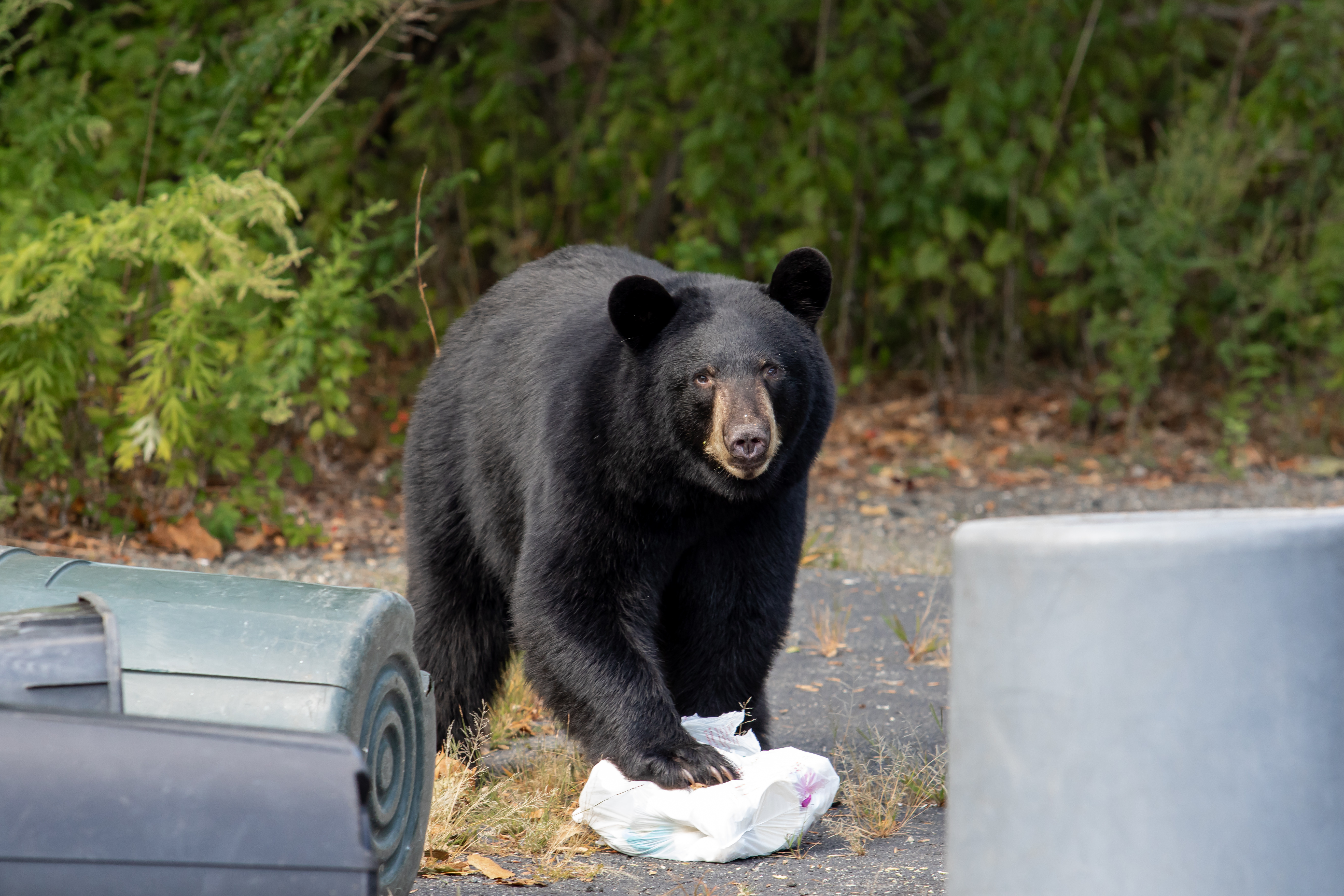
Black Bear in garbage next to tipped over garbage cans

To keep bears wild and reduce conflicts, Fish and Game encourages residents to: 

  • Secure garbage in a bear-resistant container, if available, and always make sure the lid is fully latched. Do not allow garbage to overflow. If a bear-resistant container is not available, store garbage in a garage or secure shed until pickup day.
  • Remove bird feeders in the spring and wait until winter, after bears have denned, before putting them back out.
  • Pick fruit as soon as it ripens and regularly clean up any fruit that falls to the ground. 

A bear that becomes accustomed to finding food around homes can become increasingly bold and may begin defending what it considers a food source, creating safety concerns for both people and wildlife. 

Wildlife agencies across the country have found that relocating food-conditioned bears is rarely an effective long-term solution. Many bears return to the area where they previously found food, while others simply create the same problem in another community. Relocation can also be stressful for bears, forcing them into unfamiliar territory where they must compete with established bears for food and space. Many do not survive, falling victim to conflicts with other bears or being struck by vehicles as they attempt to find their way back. 

"One unsecured attractant can be enough to bring a bear back again and again," said Kenzie Baratti, Magic Valley's Regional Communications Manager. "Fortunately, that's something residents have the power to prevent. A few simple steps can make a big difference in keeping people safe and bears wild." 

For more information about living in bear country, please contact the Magic Valley Regional Office at (208) 324-4359.