Idaho Fish and Game staff in the Magic Valley Region continue to work with landowners to reduce big game depredation on agricultural crops as the growing season progresses.
Consistent use of prevention measures has helped reduce or prevent chronic depredation in some areas of the region. However, new and ongoing conflicts continue to occur as big game animals move onto agricultural lands in search of food and cover.
Current depredation hotspots
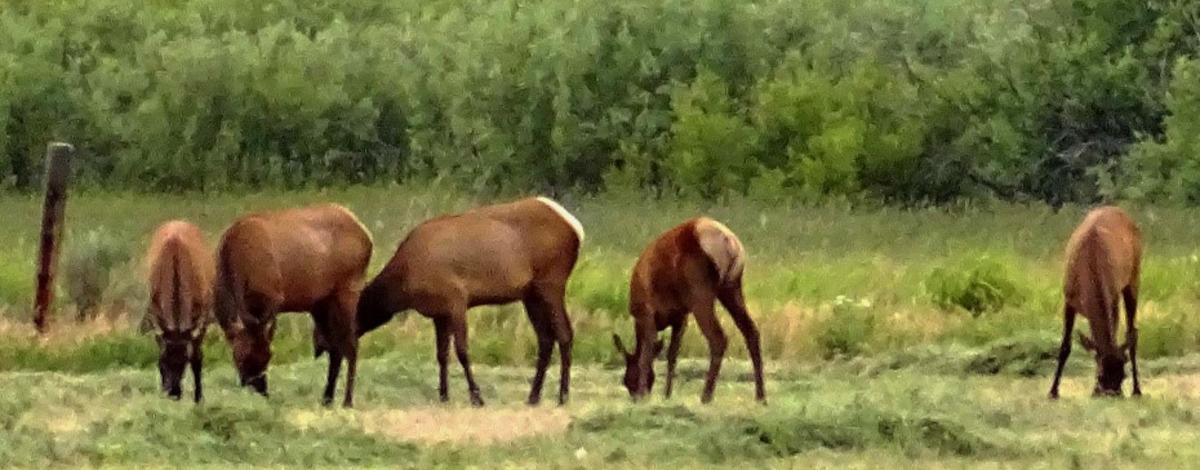
During the summer of 2026, most of the region’s depredation activity has been occurring in Gooding, Elmore, Jerome, Blaine, Cassia, Twin Falls, Lincoln and Power counties, with elk responsible for the majority of reported crop damage. Many of these conflicts occur where irrigated farmlands border public rangeland.
One of the most common situations Fish and Game staff encounters are elk moving into cultivated fields at night. This can make it difficult to address the problem through traditional hunting because the animals are often using the fields after legal shooting hours.
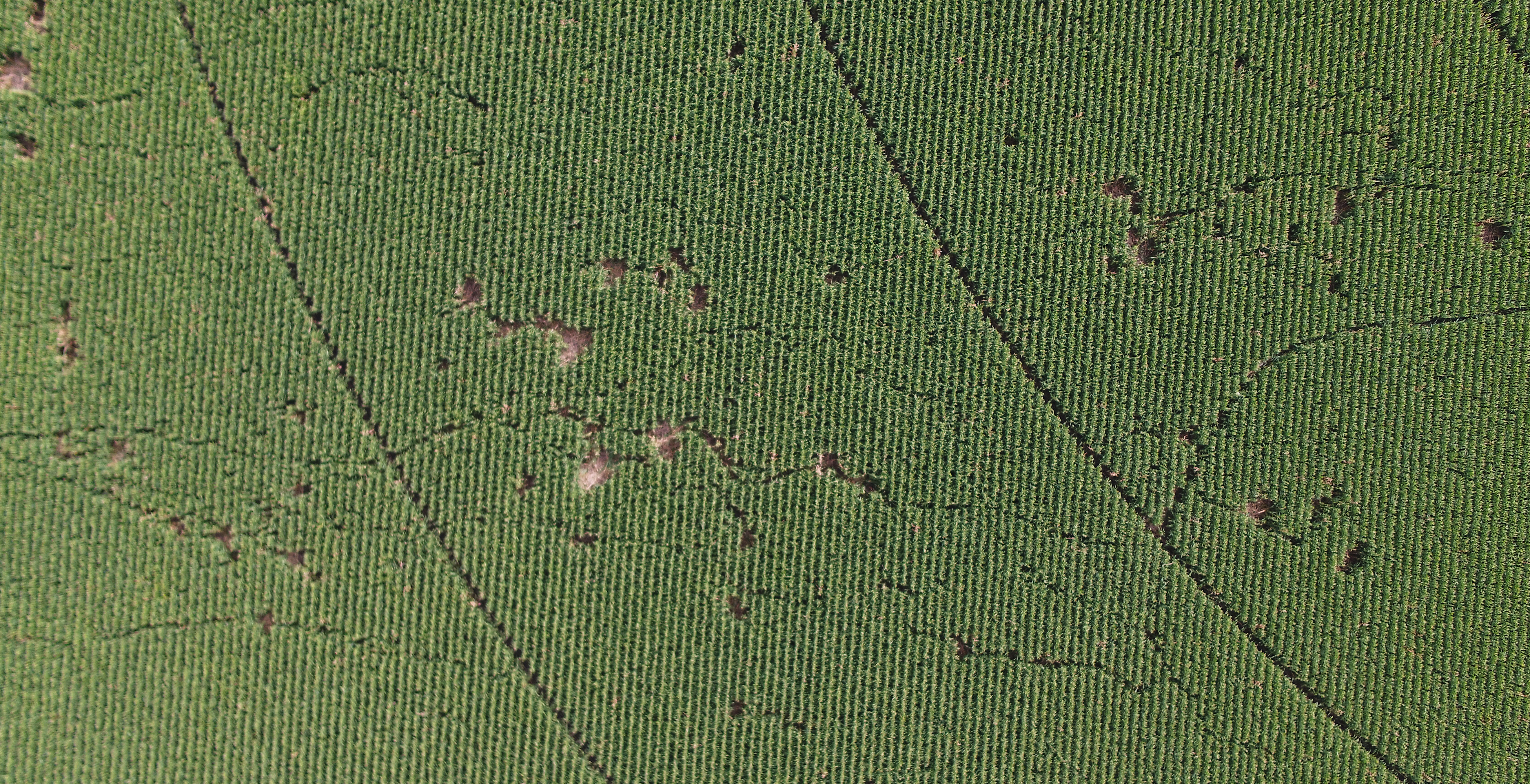
Damage has been documented in a variety of crops this growing season, including sugar beets, alfalfa and corn.
Standing corn continues to be one of the more difficult depredation situations for wildlife managers. Elk often use corn fields for both food and cover and may remain in the fields throughout the day, leaving primarily at night. Attempts to haze elk out of large fields are often ineffective because the animals may simply move to another portion of the field, sometimes resulting in additional crop damage.