In recent weeks, laboratory tests confirmed epizootic hemorrhagic disease and bluetongue virus in white-tailed deer in North Idaho. Deer from the Clearwater Region tested positive for EHD, while deer from the Panhandle Region tested positive for both diseases.
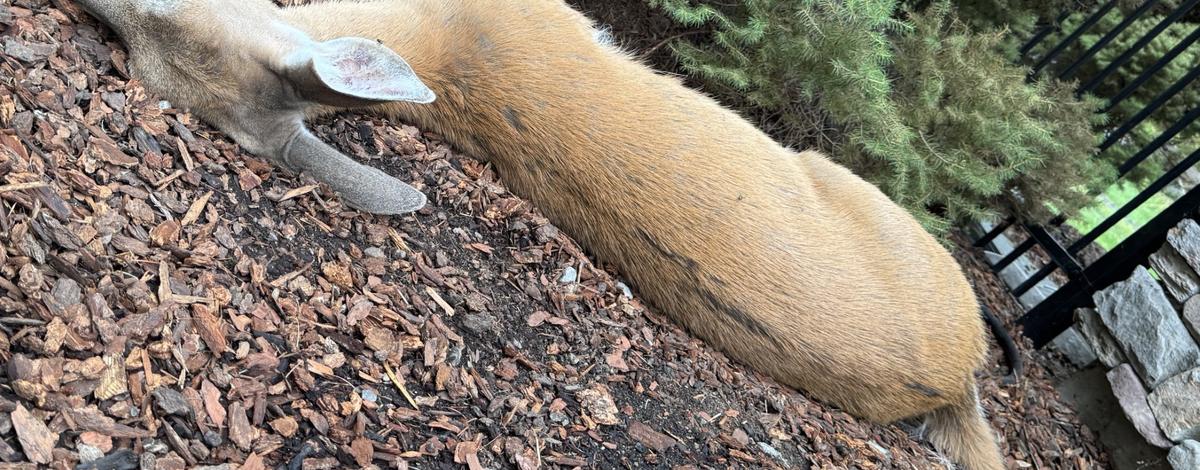
Epizootic hemorrhagic disease and bluetongue virus detected in white-tailed deer in North Idaho
idfg-tjross
Fish and Game encourages the public to report sick or dead deer
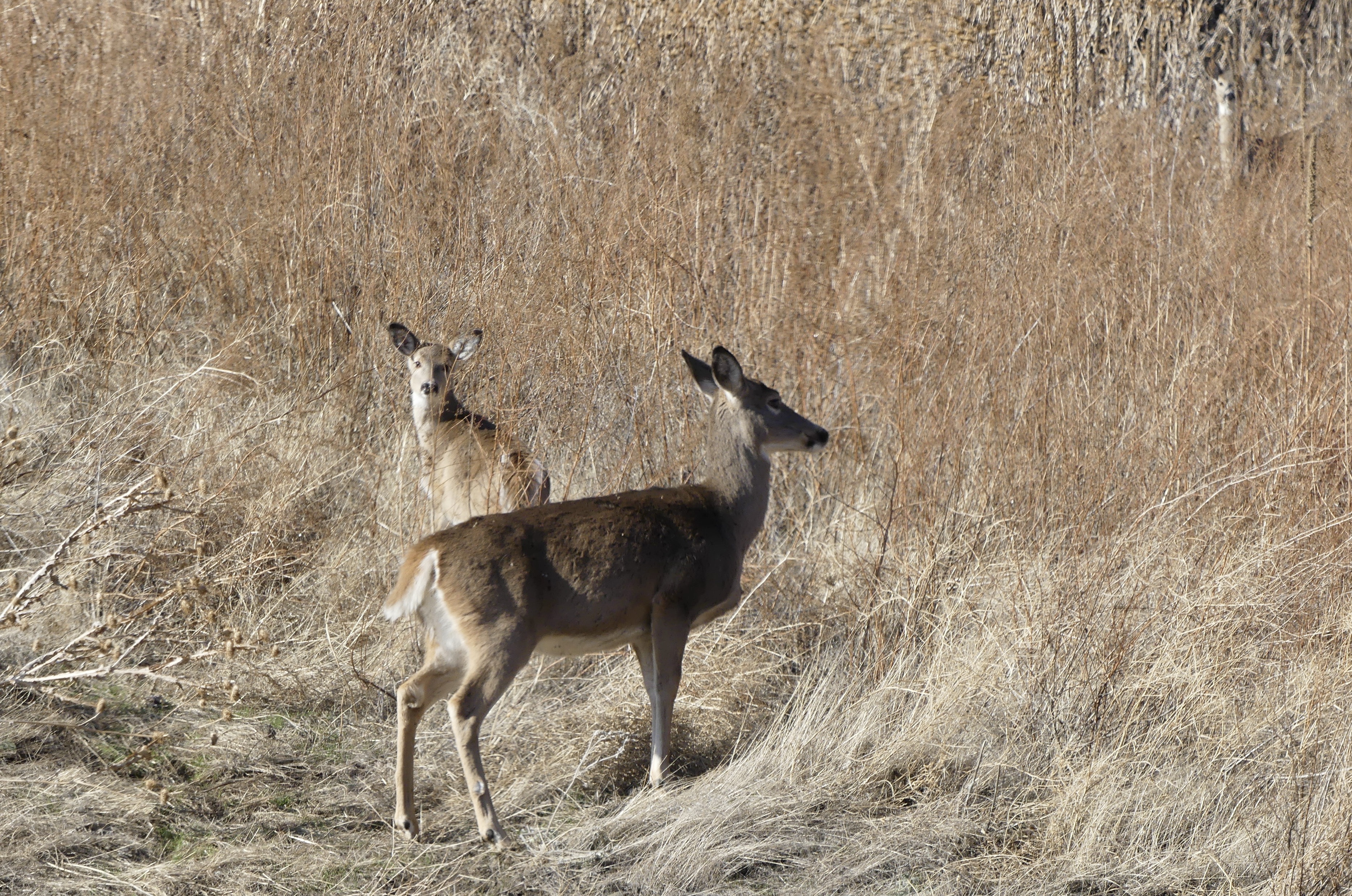
Although the two diseases are different, they are closely related. Both are a type of hemorrhagic disease spread by small biting flies, known as midges, which reproduce in and around warm, stagnant water. This summer’s conditions likely created situations where midge populations “boomed” around limited water sources, leading to increased risk when deer gather at them.
Hemorrhagic disease outbreaks occur periodically in the Clearwater and Panhandle regions, often during hot, dry summers like 2025. In northern states and other regions where hemorrhagic disease is less common, deer have little to no immunity to the virus.
When outbreaks occur, they can be explosive and severe, causing high mortality in localized areas. The outbreaks tend to cycle, occurring every 3-5 years as herd immunity fluctuates, allowing deer populations to recover from hemorrhagic diseases quickly.
It is difficult to estimate how many deer are being affected in Idaho, but the number of reports received is currently less than 200 in the Panhandle and less than 600 in the Clearwater.
Outbreaks can generally be expected to continue until cool, wetter weather arrives or after a hard frost occurs and kills the midges that spread the disease. Fish and Game staff will continue to monitor the situation.
Idaho is not alone in experiencing hemorrhagic disease outbreaks. Reports of diseased deer are coming in across the country, likely due to the drought-like conditions of summer.
FAQs
Q: What’s the difference between hemorrhagic disease and CWD?
A: Both diseases are distinctly different from and unrelated to chronic wasting disease. Chronic wasting disease is a fatal and contagious disease that affects the nervous systems of deer, elk, moose and reindeer. Its effect on populations is long-term and chronic. Conversely, hemorrhagic disease outbreaks can be explosive and severe, but they are often localized and short-lived.
Q: What are clinical signs of EHD and BTV in deer?
A: Signs may include:
- Labored or difficulty breathing
- Swelling of the head, neck, or tongue
- Fluid in the lungs and internal hemorrhages
- Abnormal hoof growth or hoof sloughing (in chronic cases)
- Weakness, loss of appetite, bloody diarrhea, and excessive salivation
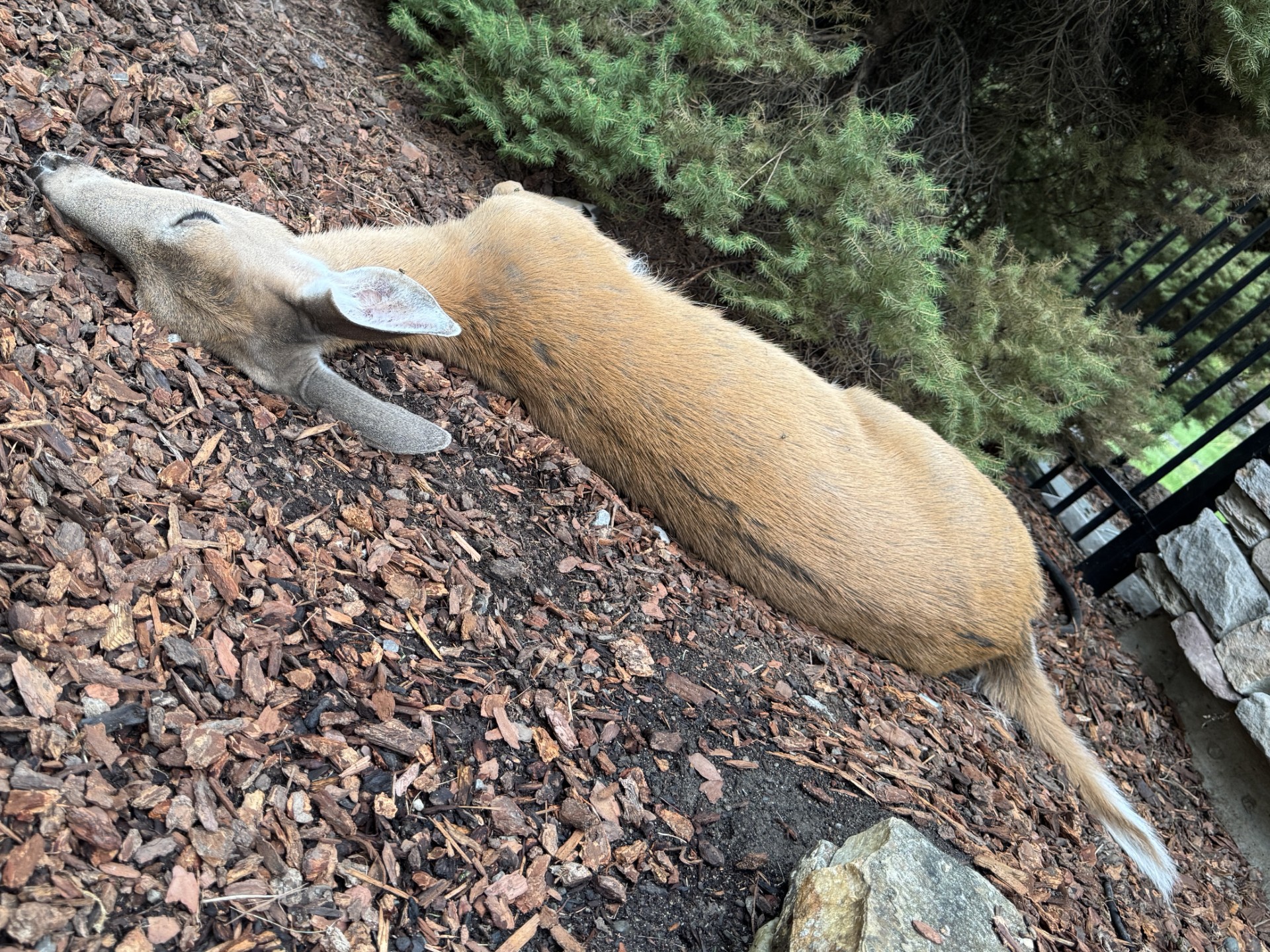
- Fever— which is why deer are often found lying in or near water to cool down
Q: Can EHD and BTV be spread to humans or pets?
A: Humans and domestic pets such as dogs and cats cannot be infected with EHD or BTV. White-tailed deer are particularly susceptible, but it can affect mule deer and elk. However, elk are less likely to develop severe forms of these diseases. Cattle and sheep can be exposed to both viruses, but they rarely exhibit clinical signs to EHD but are more susceptible to BTV.
Q: Is the meat of an EHD- or BTV-infected deer safe to eat?
A: Fish and Game veterinary staff do not recommend eating meat from deer found dead from EHD or BTV due to the possibility of secondary bacterial infections. Deer that recover from and survive an EHD or BTV infection are safe to eat.
How you can help
Please report sick or dead deer online via the Wildlife Health Reporting page. Public reports are vital in tracking the impact of hemorrhagic diseases on deer populations.
For more information, contact the Idaho Fish and Game Panhandle (208) 769-1414 or Clearwater (208) 799-5010 regional offices.