
Hunters in 2026 will have a mandatory testing requirement for chronic wasting disease for deer in seven hunting units, including the addition of Units 64 and 69 near Idaho Falls.
After two consecutive years of no CWD detections, Units 24 and 32A were removed from mandatory testing requirements. Testing is still required in Unit 23 where a mule deer buck tested positive in fall 2023.
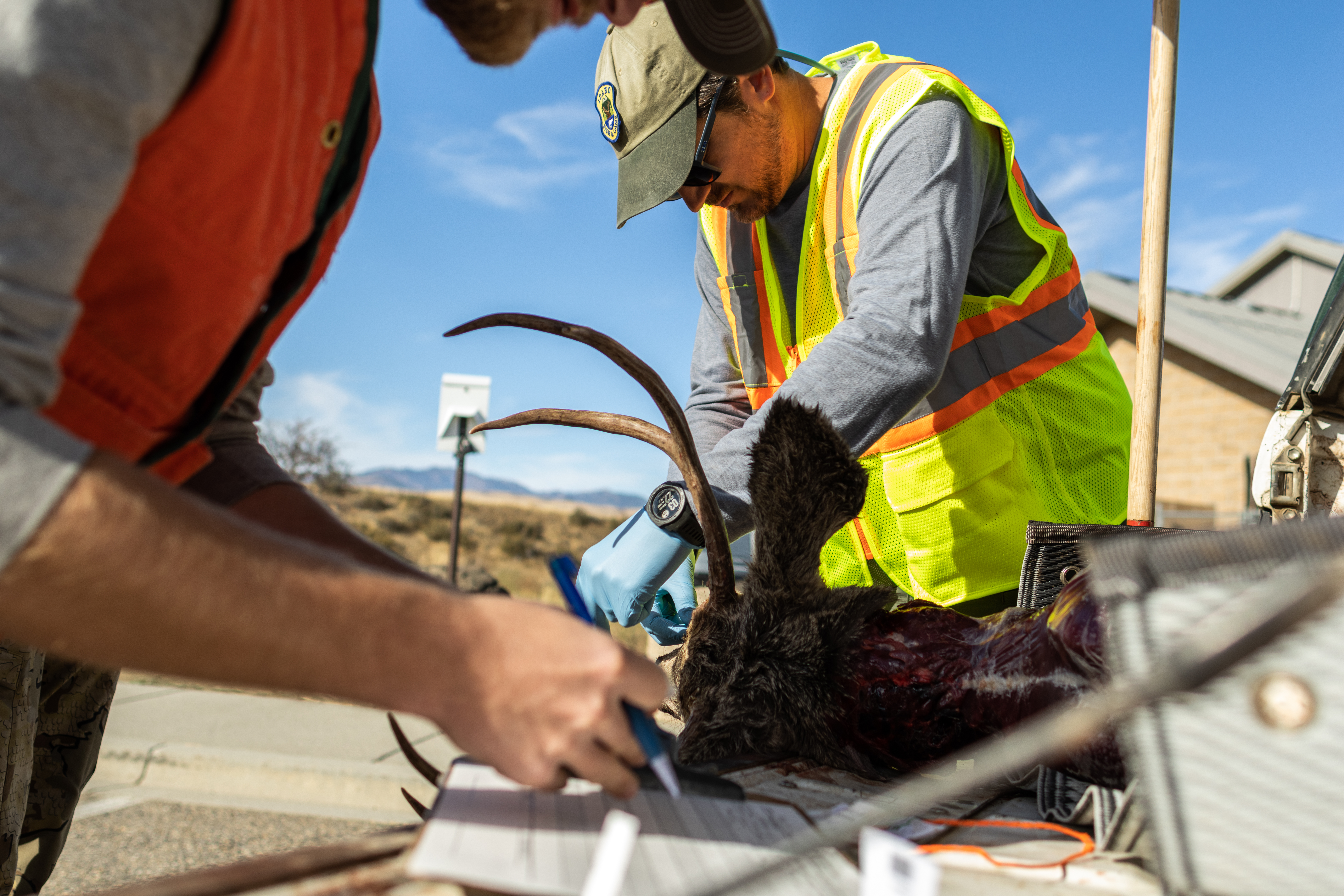
Fish and Game currently monitors CWD primarily though animals harvested by hunters, using two methods to attain those samples:
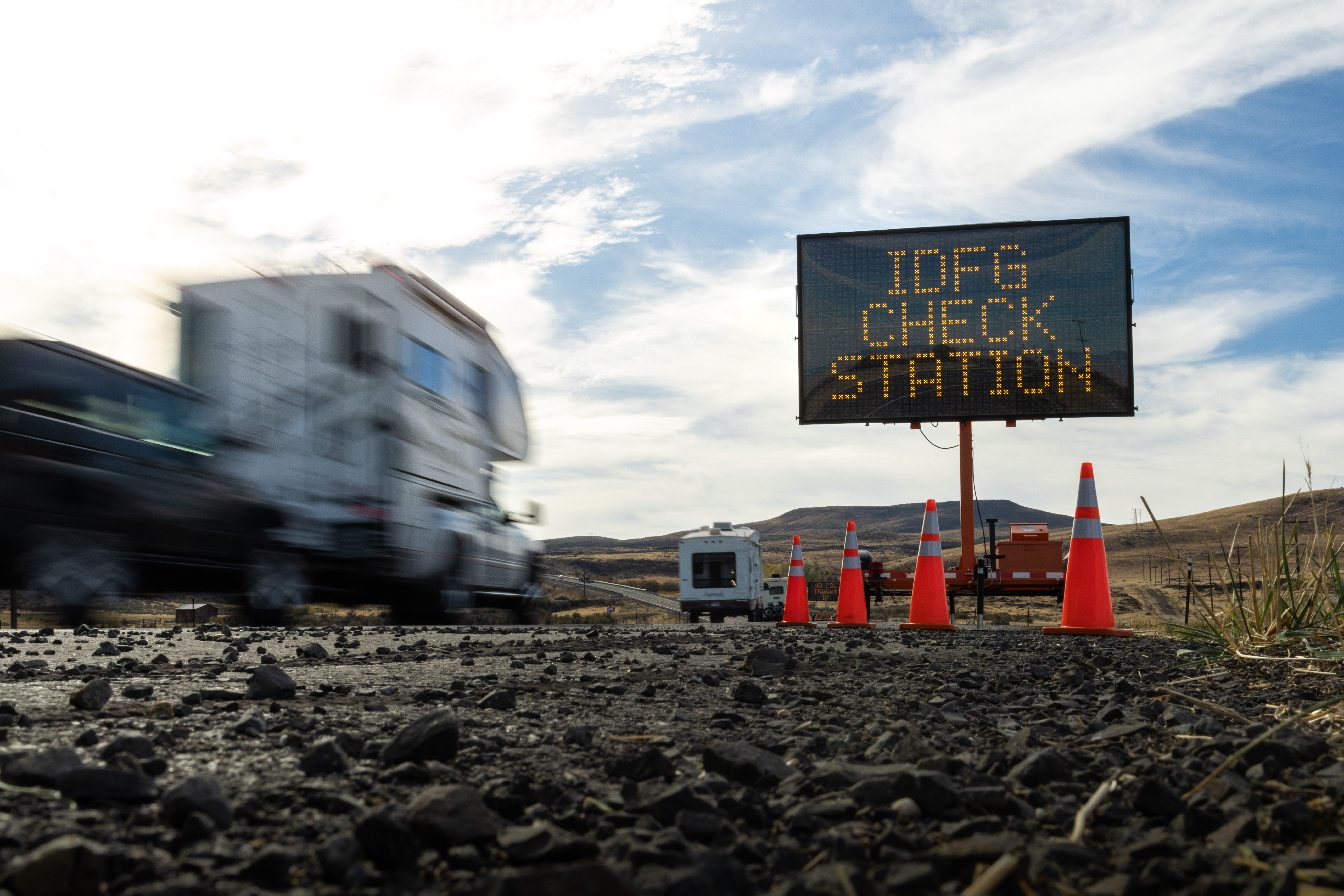
- Mandatory testing for deer harvested in some units, currently a portion of Unit 1 and all of Units 14, 18, 23, 63A, 64, 69.
- Statewide voluntary testing of deer and elk by hunters
Hunters play a critical role in CWD testing because there is no live test and getting accurate and current information helps IDFG monitor prevalence throughout the state. Here’s a breakdown of what hunters need to know about CWD and hunting in Idaho.
CWD Management Zones: Units 14, 18, and a portion of Unit 1
Currently, Units 14, 18, and a portion of Unit 1 comprise CWD Management Zones for 2026. In addition to mandatory CWD testing of all harvested deer in those units, the following rules apply:
- It is unlawful to transport any whole carcass of a deer, elk, or moose out of a CWD Management Zone, with exceptions for heads or lymph nodes transported to Fish and Game for CWD sampling and meat. Antlers or skull caps may be retained after sampling by Fish and Game staff, but the remainder of the head will remain for proper disposal. For details and full rules, go the CWD webpage.
- Heads should remain in the field if lymph nodes are removed for delivery to Fish and Game for CWD testing.
- Caped animals (with the skull) may be taken to a taxidermist or meat processor, but may not leave a CWD Management Zone and must still be presented to Fish and Game staff for sampling.
- Heads or lymph nodes must be submitted for testing within 10 days of harvest.
- If hunters, or those who salvage an animal, retain the quarters, they should double-bag all bones and non-edible portions of the animal and dispose of them in a landfill when finished processing the meat.