idfg-badge

Idaho Fish and Game

Elk, depredation, Salmon Region

Part 1: Private lands are an important part of Idaho’s big game habitat

idfg-rphillips

From farms and ranches to large tracts of timberland, wildlife often use private land

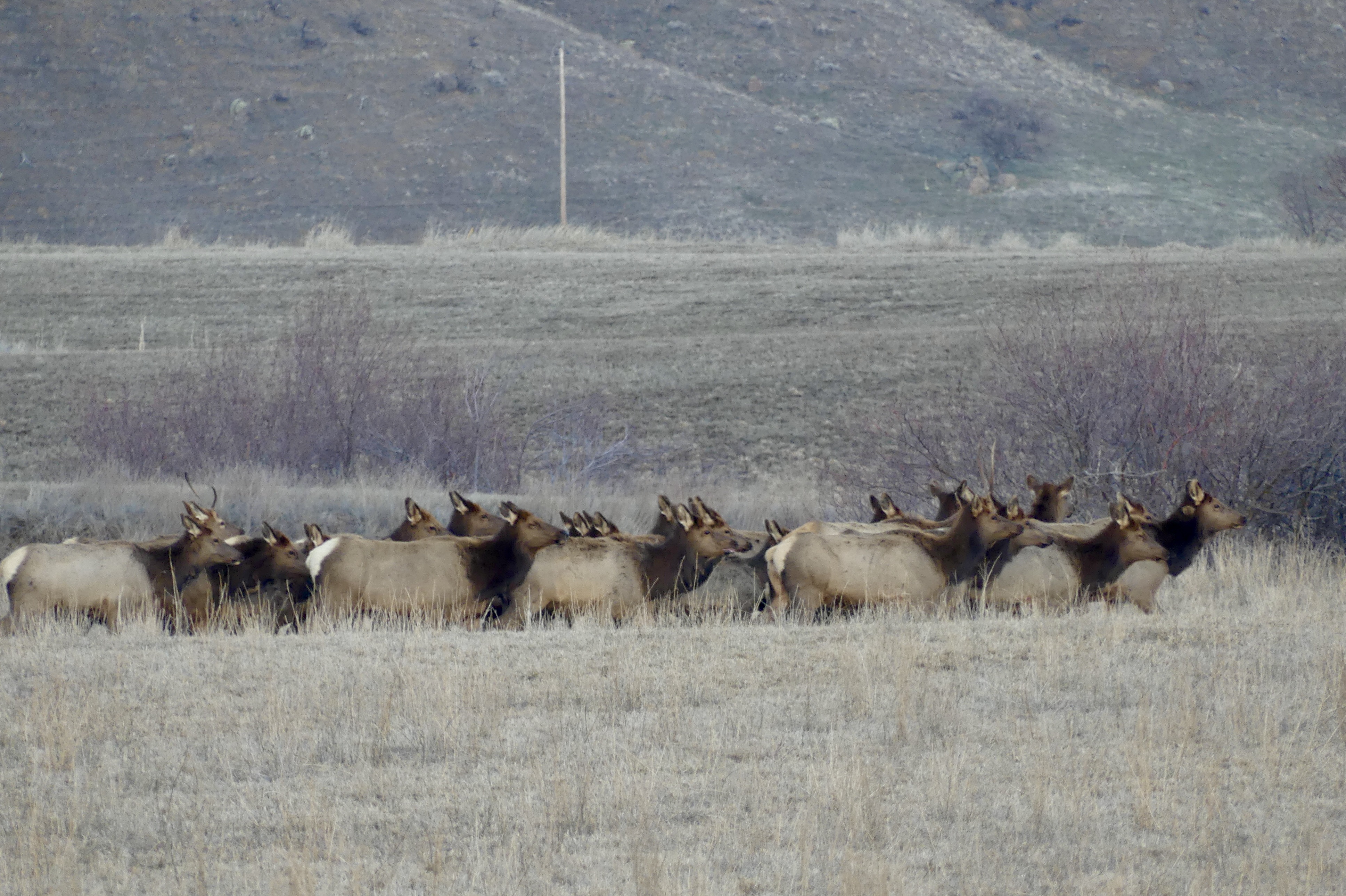
A hunter drives by a ranchers field and sees a herd of elk, including several bulls, after only seeing a few elk in his favorite hunting spot the previous season. While he always enjoys seeing elk, hes frustrated that they are casually feeding behind a no trespassing sign.  

Some guys have all the luck,” he thinks to himself.  

Its often not that simple. The elk hes seeing may be causing the landowner damage by consuming or damaging crops, and possibly damaging fences. The landowner also enjoys seeing elk, but maybe not that many. In the past, a few animals showed up for a brief period, but this herd stuck around, and problems increased as the herd grew.  

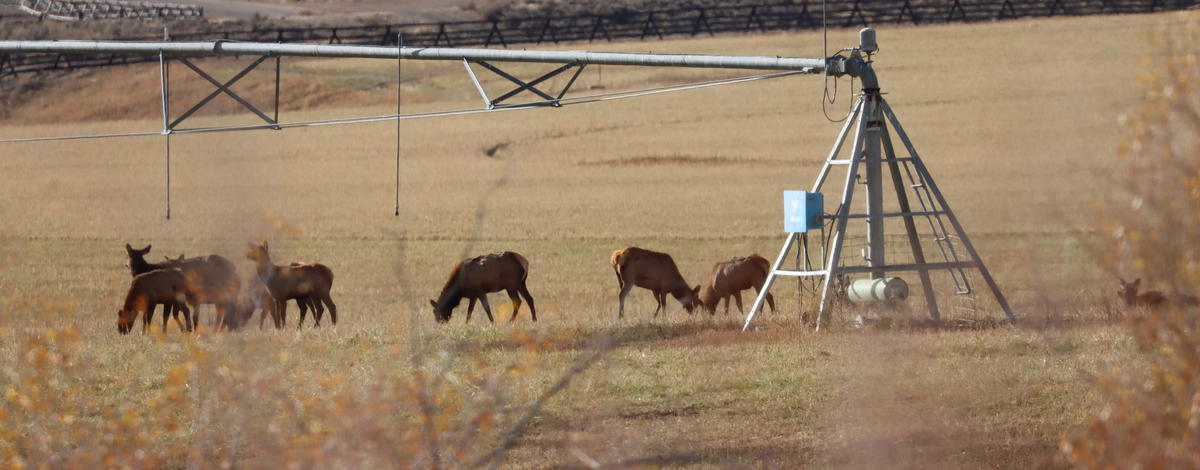
This scenario occurs throughout Idaho, particularly in drier climates of South and Central Idaho where elk are attracted to irrigated crop lands. Private lands are often attractive and beneficial to wildlife, but can cause frustration for hunters and landowners alike. 

 Private lands are important to the states abundant big game herds,” said Toby Boudreau, Idaho Fish and Game’s Deer and Elk Coordinator. “And private lands benefit the average hunter by sustaining big game herds during critical times of year. While theres sometimes grumbling that hunters dont have access to some of those animals, the benefits are clear that private lands are important for big game herds.”

Fish and Game works to reduce conflicts between big game herds and private lands. Theres a variety of challenges, as well as management tools, to deal with conflicts between big game animals – particularly elk – and agriculture operations. But theres not always a permanent fix because wild animals dont understand property boundaries, and they are attracted to land that provides food and security. 
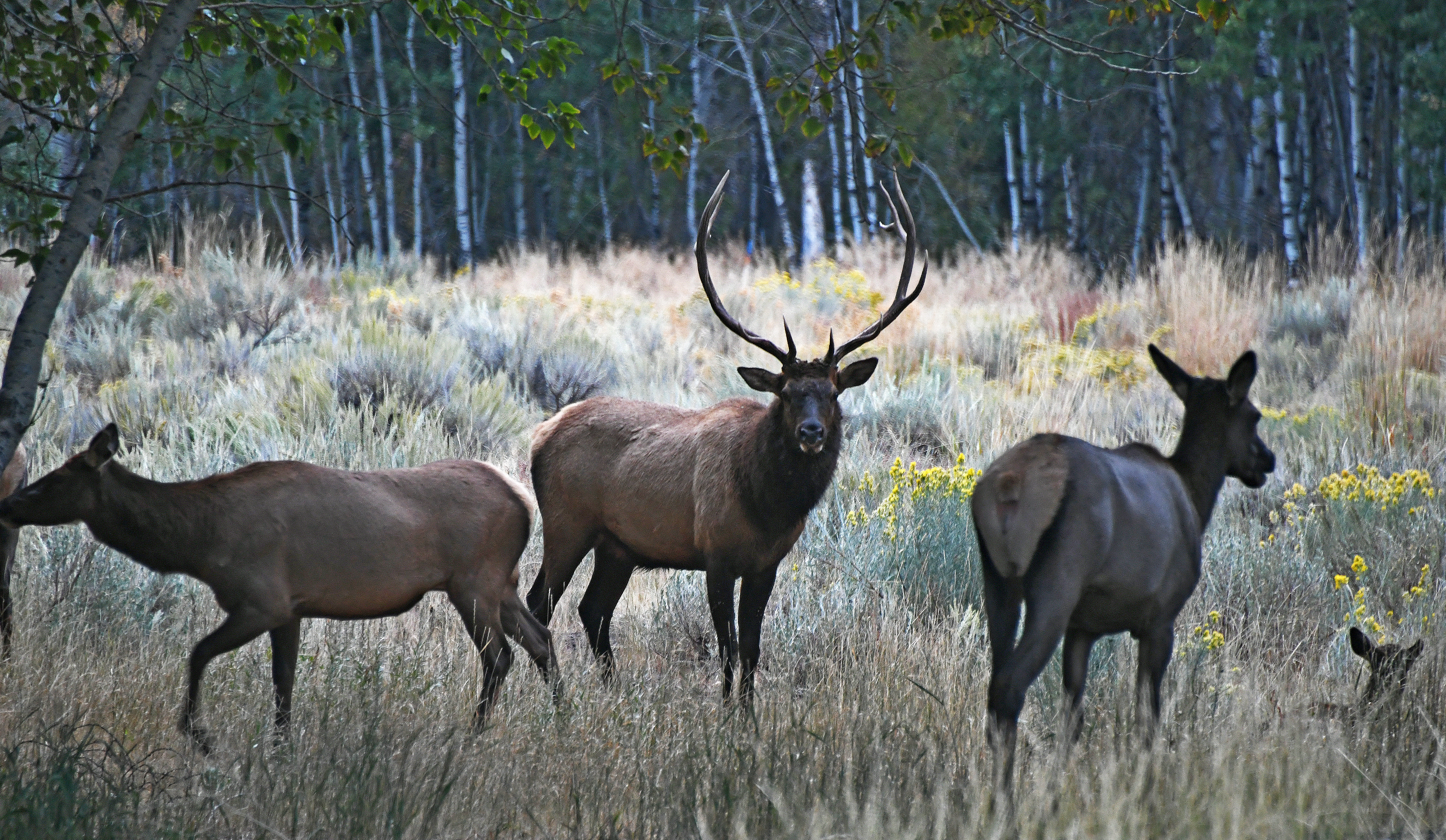
A bull elk with two cows and a calf in a grassy meadow

Public lands cant do it all 

Nearly two-thirds of Idaho is public land that provides excellent wildlife habitat, and many big game animals spend most of their time there. But much of Idahos valley bottoms, particularly along river corridors, are privately owned because that land provides agriculture resources like rich soil and water. 

Its also important wildlife habitat, especially during winter months when animals migrate from higher elevations to escape deep snow. Many Idaho landowners appreciate wildlife on their property, even if they cause some inconveniences, or eat some crops, but when big game animals start affecting their bottom line, something has to give.  

Fish and Game cant ignore the problem  

As the public trust holders of Idahos wildlife, Fish and Game is required by law to help landowners try to prevent damage from big game. Thats one reason Fish and Game has a variety of staff in each region of the state who are focused wholly, or partly, on landowner relations and preventing agriculture damage, commonly known as “depredation.” 

These people understand the needs of wildlife, and also know the problems they can cause to private landowners. Fish and Game personnel have a variety of tools to prevent or reduce wildlife conflicts before they occur, address them when they do, and try to stop them from recurring.  

If none of that works, Idaho law requires Fish and Game to pay for damages caused by big game if a valid claim is filed by the landowner. The annual Access/Depredation Fee that hunters, anglers and trappers pay when they buy their licenses funds depredation payments.

Situations vary, but theres not always a permanent fix for depredation problems because what one herd finds attractive, another may follow. Each year can also be a little different. Things like droughts, severe winters, wildfires, and other events can draw big game animals onto private land, or bring them back after an absence.  

Private lands also change hands, and the new owners may have a different attitude toward wildlife than the prior one, so maintaining relationships between landowners and Fish and Game is a recurring process. 

elk, pasture, private land, depredation

Property owners control their land 

Not all landowners hold the presence of wildlife on their property in the same regard. One landowner may encourage wildlife on their property, sometimes inadvertently creating a refuge, while an adjacent landowner is trying to grow crops that those animals eat. Fish and Game manages wildlife, but cannot dictate how landowners manage their property, which limits how the agency can deal with wildlife that causes problems. 

Hunting is Fish and Game’s primary method of dealing with wildlife conflicts on private lands. However, the landowner decides how much – if any – hunting will be allowed within their comfort level and operational needs. Sometimes, having hunters on their property, particularly during fall hunting seasons, is incompatible due to the timing of agriculture operations, such as harvest, or preparing for replanting. Hunting may also be unsafe due to the proximity of homes and communities.  

What Fish and Game does to resolve wildlife conflicts

There are a variety of methods to prevent and mitigate damage from wildlife. Many of the preventative methods may not be apparent or obvious, such as improving or restoring nearby public lands so big game remain in their natural habitat. Fish and Game can also employ "continued use agreements," which pay landowners to allow wildlife on their property and keep them out of nearby properties during certain times of year when depredation is likely. 

Fish and Game and the Fish and Game Commission can adjust hunting seasons so hunters have a chance to harvest animals and reduce herds that are causing damage, or the department can hold strategic "depredation hunts" to directly address offending animals while they are in the act.  

When big game damage rises to a level that the landowner finds unacceptable, the landowner can file a claim, and Fish and Game has funds to pay for damages as outlined in state law. Fish and Game staff work with the landowner to develop and follow a plan to assist with damage prevention, and the landowner can file a claim for financial reimbursement if they have made a reasonable effort to prevent the damage.

But Fish and Game's depredation funding is limited, so if the total amount of claims exceeds the available funding, each claimant only receives a portion of their damage claim. 

Thats one reason why Fish and Game tries to balance abundant big game herds that hunters desire with consideration that those animals may cause agriculture operations. Learn in Part 2 how Fish and Game protects private lands from damage from big game so it can maximize herds statewide.