
During spring, the local weatherman stands before a green screen, strategically circling portions of the state with high and low pressure systems. Predicting spring weather in Idaho can be all over the map. While it might be weeks before most anglers wait for those warm, sunny days to pack coolers and slather on sunscreen, there is a group of die-hards who anxiously await these unpredictable days this April: We’re looking at you, hardcore bass anglers.
The reason anglers go after bass during these next few weeks is simple: That’s when the big, trophy-size bass are swimming up from the deeper pools to spawn in shallower water. Warmer temperatures mean more active bass. Imagine just how fun waking up at 4 a.m. to go for a jog in January sounds. You get the point.
While both largemouth and smallmouth bass can be targeted most of the year, the first few weeks of spring — as water temperatures begin to rise — mark the most exciting time to target trophy bass. And, no, you don’t need to be a bass tournament pro to get in on the hunt either.
All it takes is a little understanding of a bass’s habitat, their spawning cycle, water temperature dynamics, and directions to a nearby fishery. Put it all together and you got a recipe for one heck of a weekend fishing for America’s most popular game fish.
A pain in the bass
Bass can be tricky. While found across most of the state, the opportunity to track them down during this pivotal season is often easier in theory than in reality. Understanding their habitat and the type of waterbody they inhabit is key to homing in on either small or largemouth bass.
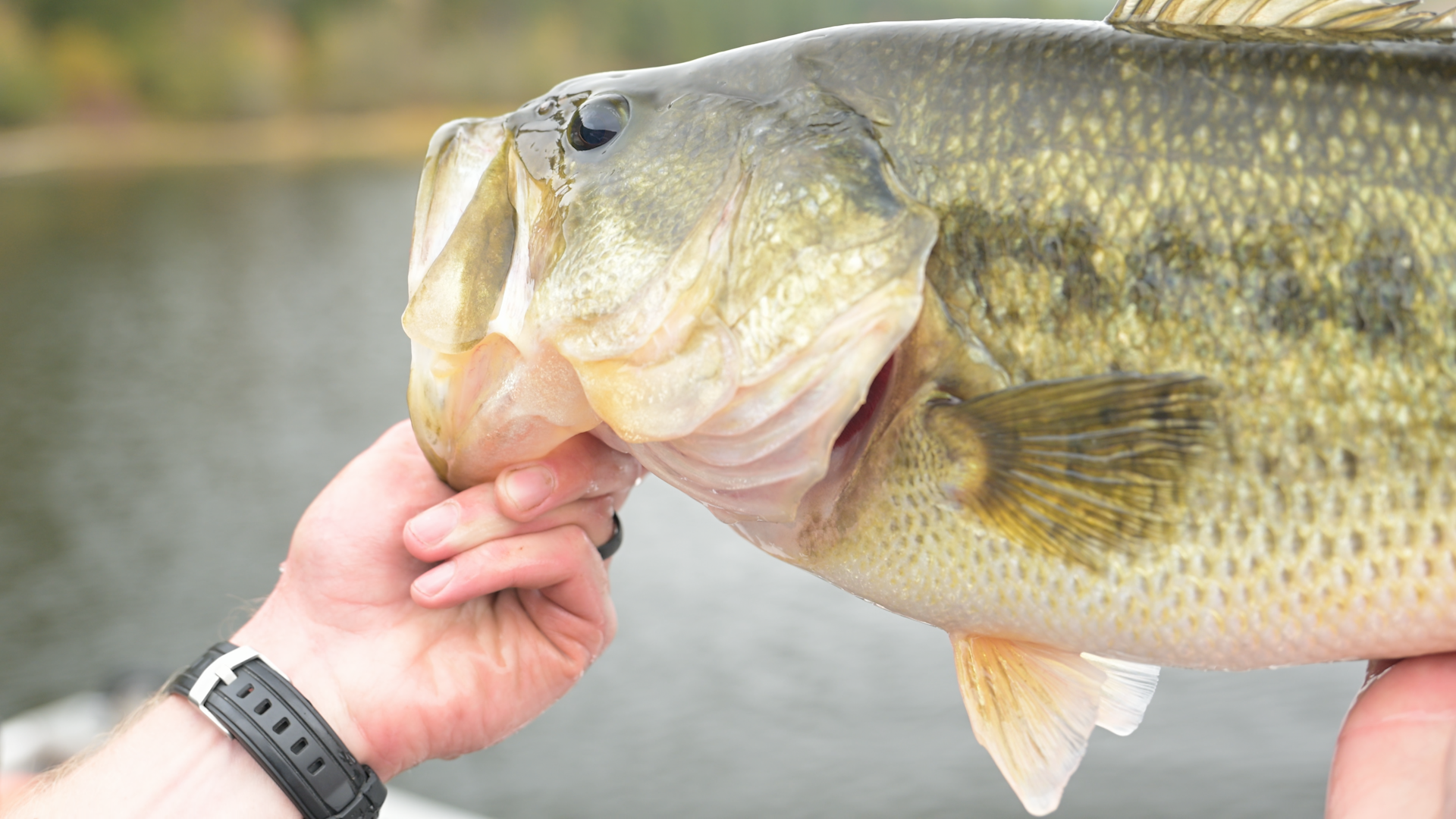
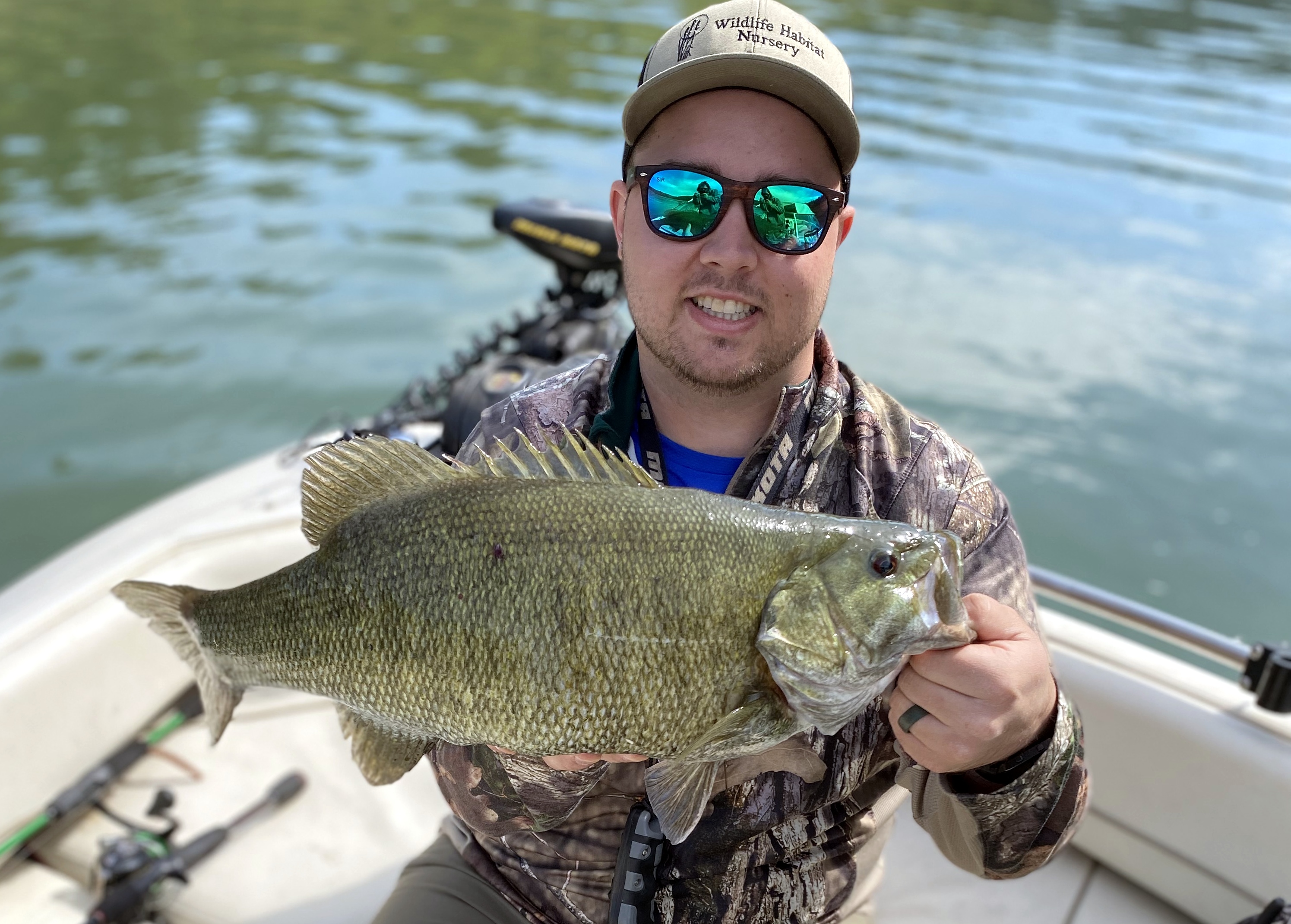
Smallmouths tend to lurk in cooler waters, such as the Snake River and cooler lakes with deeper water and less vegetation. Largemouth, on the other hand, tend to be found in warmer, shallower bodies of water where rocks and vegetation provide ample coverage from overhead sun and predators. Think of that local pond or reservoir with fallen trees, rock crevices, cattails, over-hanging willows, cottonwoods, lily pads, etc.