You may know how to spot them, identify them, track them, shoot them and cook them, but did you know these things about Idaho's deer and elk?
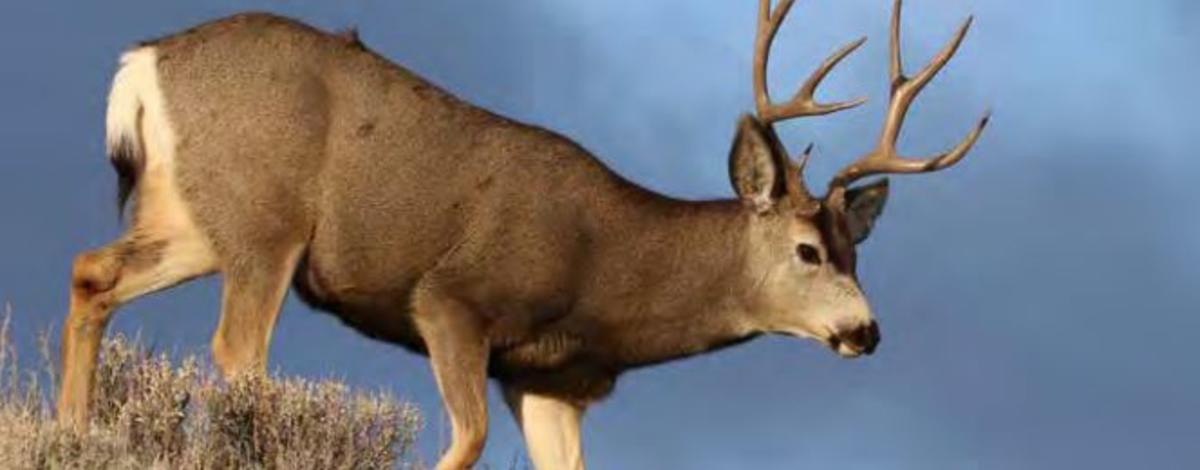
Mule deer
Mule deer were uncommon in Idaho prior to white settlement. Early journals and observations from settlers and other historical documents rarely mention mule deer, but they frequently mention bison and bighorn sheep. Bighorns were also commonly depicted in Native American rock art throughout Idaho, but seldom mule deer.
Regulated deer hunting in Idaho predates statehood. The first hunting season for deer in what is now Idaho (then part of the Idaho Territory that included Idaho, Montana and part of Wyoming) was implemented in 1863, which closed deer hunting between Feb. 1 and June 30. The State of Idaho’s first regulated deer season was in 1893, and a hunting license was first required in 1903.
Most mule deer in Idaho seasonally migrate twice yearly between summer and winter range (and back again). The longest documented mule deer migration is over 240 miles from winter range in the Red Desert of Wyoming to summer range near Island Park. Researchers believe mule deer learn migration routes from their mothers and continue that same route for the rest of their lives. (Source: Mule Deer Foundation)
Despite being associated with Idaho’s deserts and mountainous country, mule deer are good swimmers and won’t hesitate to swim across large rivers, large lakes and reservoirs.
Mule deer have up to 11 subspecies, which includes their close cousins, blacktail deer. Today, mule deer and subspecies inhabit every state west of the Mississippi River (except Hawaii) and as far south as Baja, Mexico. (Source: Mule Deer Foundation)