idfg-badge

Idaho Fish and Game

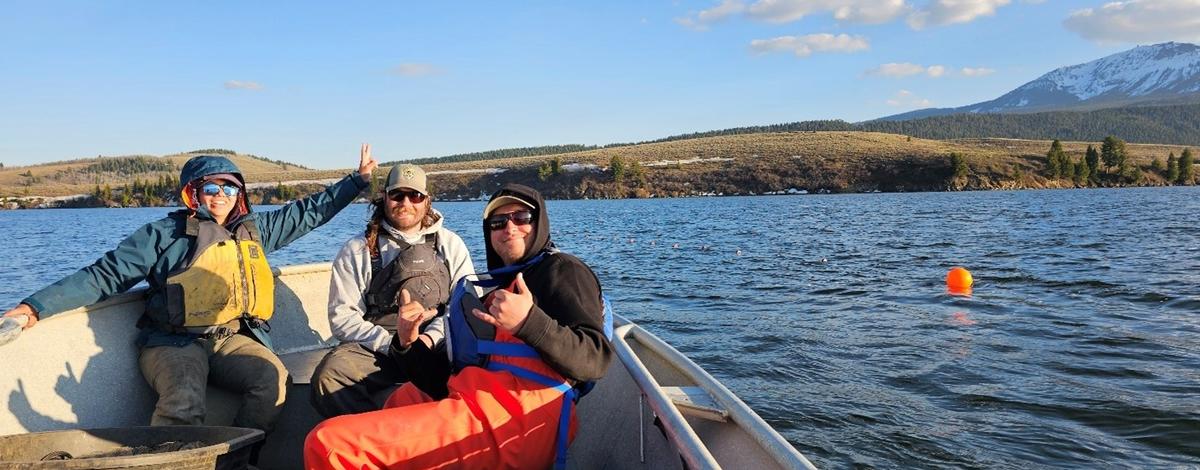
3 fisheries technicians sitting on the bow of a boat on Henrys Lake

Henrys Lake Newsletter – Winter 2025

idfg-jbrower

Henrys Lake anglers, let’s get you caught up on recent happenings, the latest population survey, the 2025 stocking report, and much more! We’ve been busy this season, and there’s a lot to share. First off, I want to give a public shoutout to my Henrys Lake seasonal crew this year, Josh Pluid (middle in the above picture) and Cooper Harbour (right in the above picture). They busted their butts this year to help make fishing better in the Upper Snake Region working countless hours, long nights, early mornings, and shedding their fair share of blood and sweat for the anglers of Idaho. Let’s dive into some of the data they helped me collect this year!
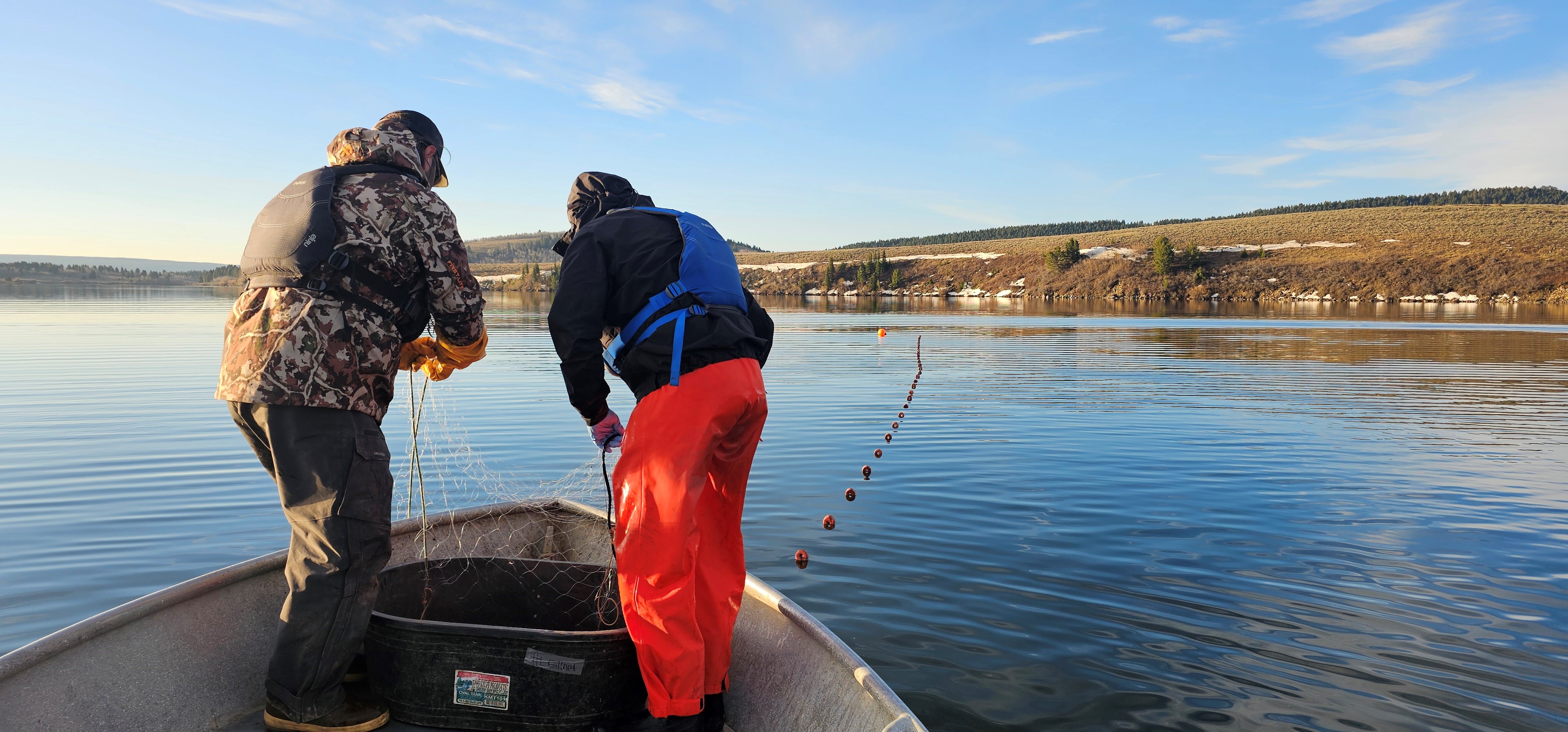
 

Pulling nets on Henrys Lake


Annual Population Survey

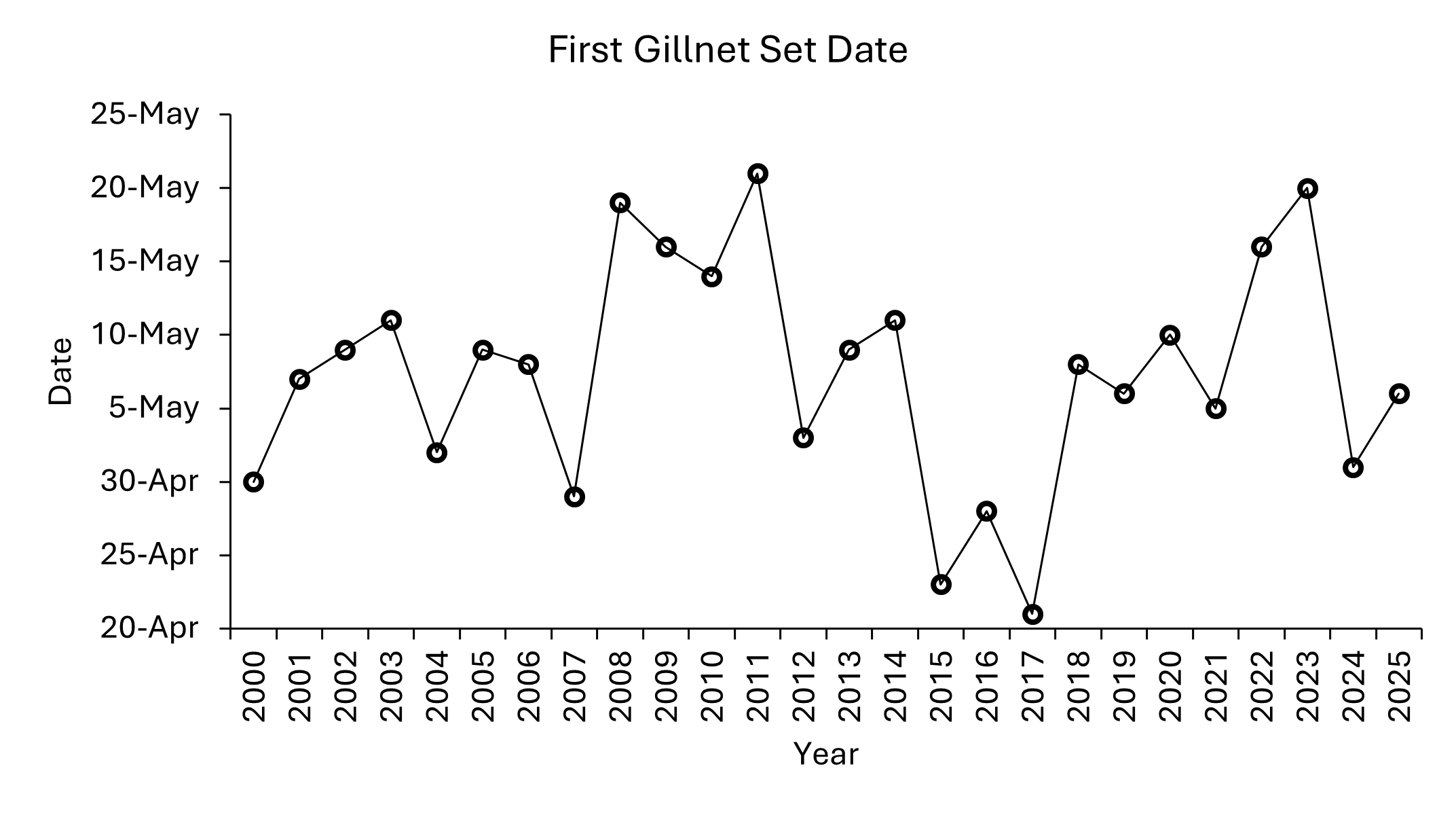
To recap, IDFG conducts a gillnet survey on Henrys Lake each year to assess the current state of the fishery. We begin the survey immediately after ice-out, which occurred on May 6 this year (Figure 1). We set nets at six sites throughout the lake every night until we reach our goal of at least 50 net-nights of effort. 


First Gillnet Set Dates
Figure 1. First day gillnets were set each year for the Henrys Lake annual population monitoring survey. The first nets are set immediately following ice-out.


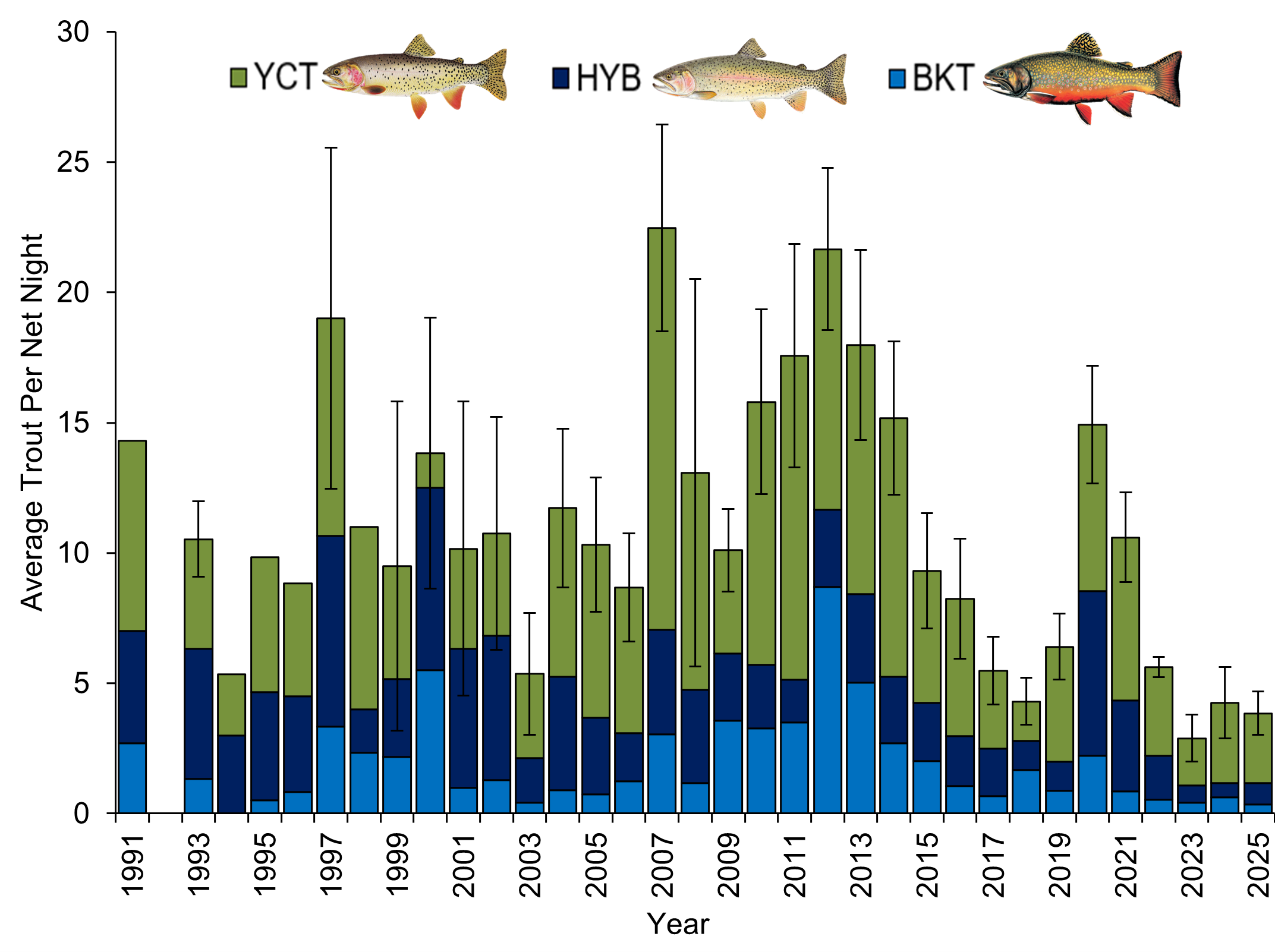
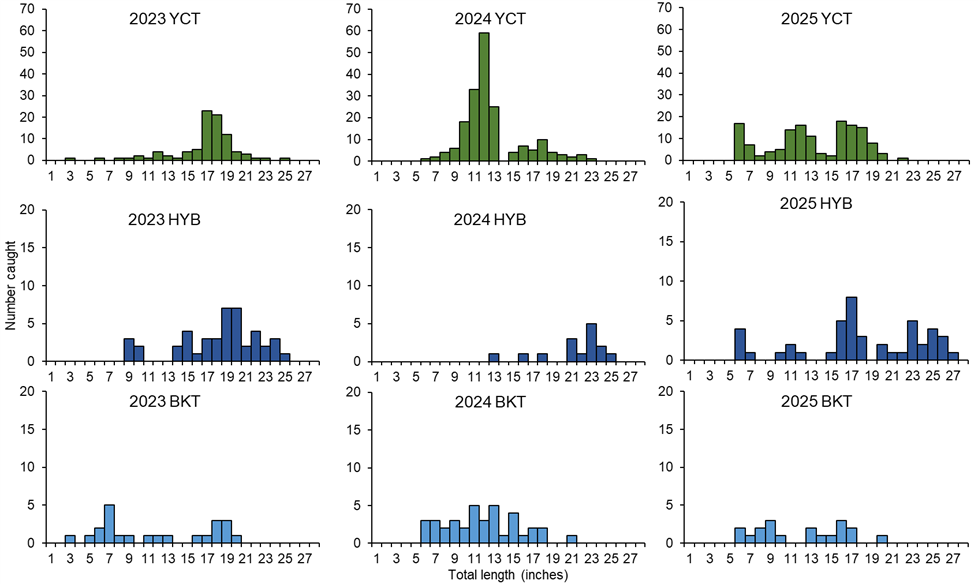
In the 2025 gill net survey we caught 3.9 trout per net night (Figure 2), which is not significantly different than what we found in 2024 or 2023 (see confidence intervals). Individual species-specific trout catch rates are as follows: Yellowstone Cutthroat Trout (YCT) = 2.7 fish per net, hybrid trout (HYB; triploid Rainbow Trout X YCT) = 0.8 fish per net, and Brook Trout (BKT) = 0.4 fish per net (Figure 2). There’s no sugar-coating it, we’re well below where we want to be from a gill-net catch rate perspective and have been for a few years now. Fish stocked in 2018, 2019, 2020, and 2021 did not survive well, which has been the primary driver of gill net catch rate decline in recent years. Fortunately, we saw better recruitment (A.K.A how many fish survived) of the 2022 YCT cohort in the 2024 gill nets (90% of the catch), and in 2025 we observed considerably more 6-8 in YCT and HYB (likely age-1) in the nets than we usually see (Figure 3). Stocked fish usually don’t show up in our nets until age-2 (9-13 in), so the presence and abundance of the 6-8 in cohort in the 2025 gill nets is a positive sign for another strong year-class. We’re working on several strategies to improve the consistency of our stocked fish survival, but I’ll get more into that later in this newsletter!


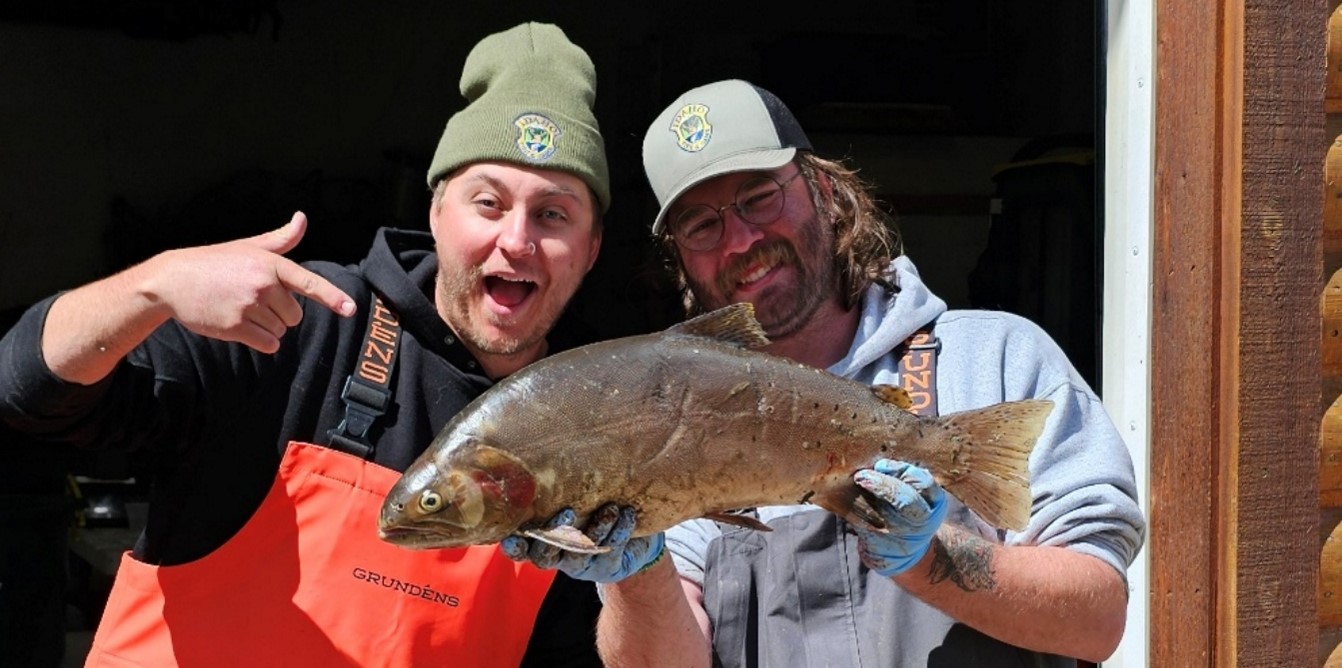
2 technicians pointing at a large cutthroat pulled from a gillnet
Gillnet Chart
Figure 2. Average number of trout captured per net night during our annual Henrys Lake gillnet survey from 1991 – 2025. Error bars represent 95% confidence intervals.


Given the presence of some smaller fish in the 2025 nets, average size of YCT (14 in) and HYB (19 in) was lower than what we’ve observed in recent years (Figure 3). However, we still encountered trout >20 in for all three species and HYB >27 in. We’ve observed few differences in our BKT relative abundance and size structure in recent years (2025 average size = 13 in), likely also due to consistent poor survival of our stocked fish. All our stocked BKT are triploid (unable to reproduce), but all Henrys Lake tributaries have populations of diploid (able to reproduce) BKT. Over the past three years, we’ve investigated the ploidy rates of our Henrys Lake BKT population, finding that most of the BKT are wild diploid fish rather than our hatchery triploids. We don’t have the results back from the lab for 2025 yet, but 55% of BKT from 2023 were wild, and 78% in 2024 were wild. Fortunately, the wild BKT are still growing to the trophy sizes Henrys Lake is famous for, but we’d still like to see better recruitment of our stocked BKT. 


Fish Stocking Chart
Figure 3. Length-frequency histograms of Henrys Lake YCT (top row), HYB (middle row), and BKT (bottom row) captured during annual gillnet surveys in 2023 (left column), 2024 (middle column), and 2025 (right column). Note differing Y -axis scales for YCT relative to HYB and BKT.
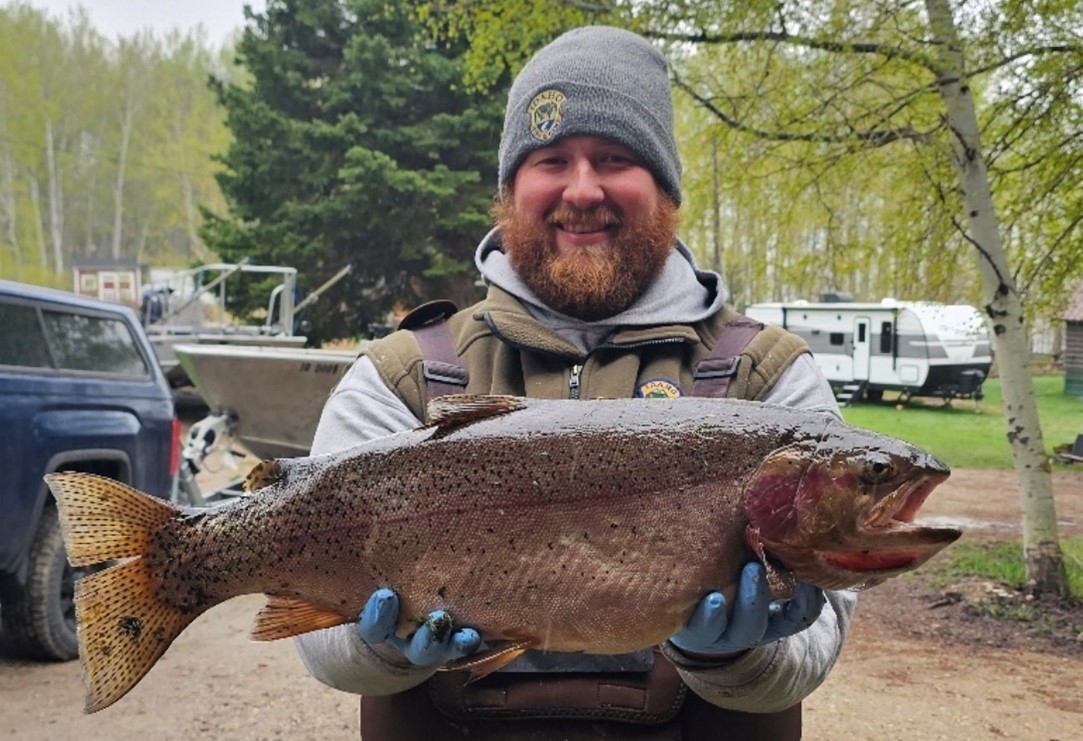
Man holding a large hybrid trout


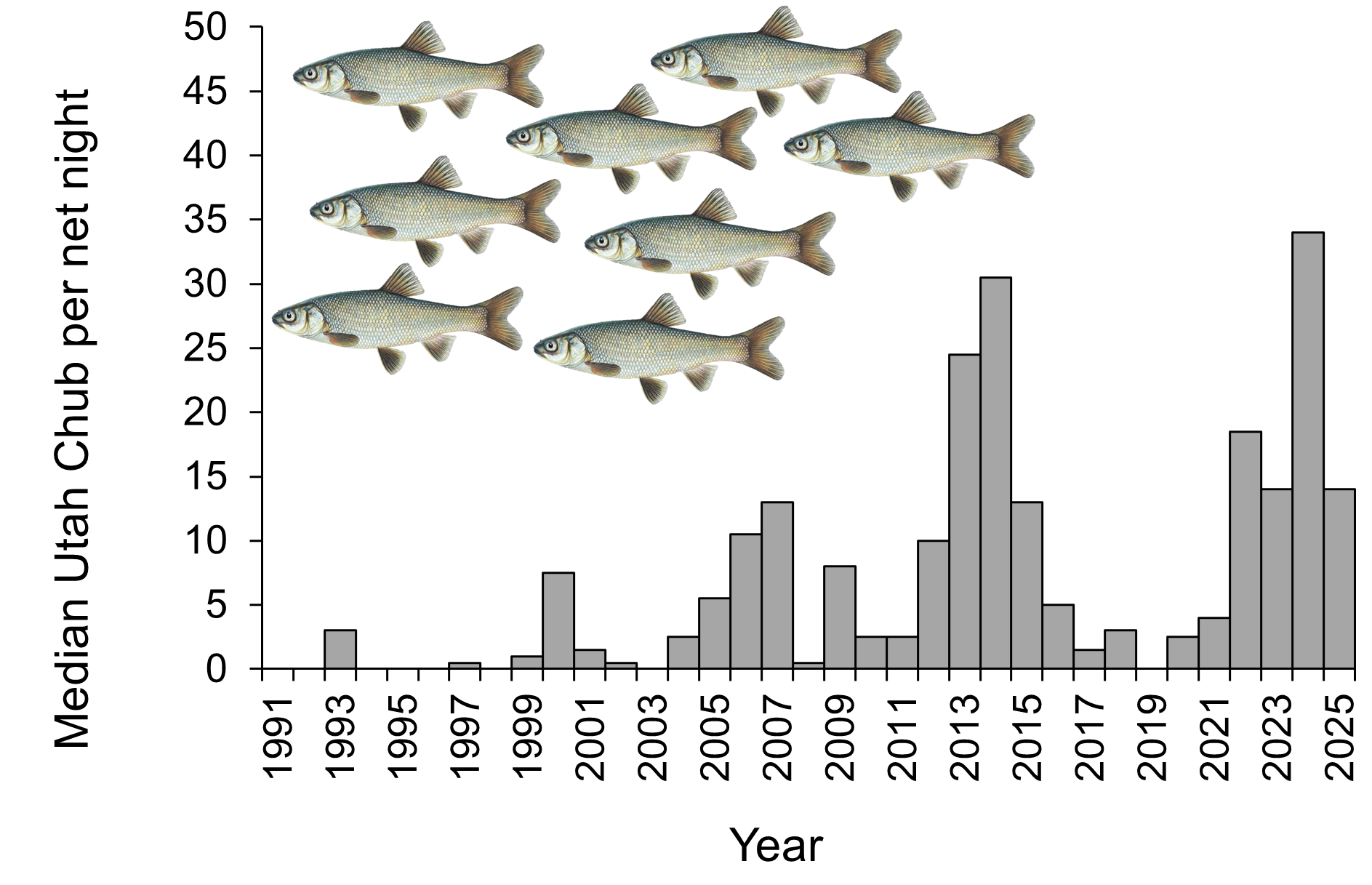
On the bright side, Utah Chub (UTC) catches in the gillnets declined in 2025 (14 UTC/net night) after a record high in 2024 (34 UTC/net night; Figure 4). Interestingly, Henrys Lake UTC have tended to peak in abundance approximately every seven years before declining. However, each peak in relative abundance since their introduction has been higher than the last. We will continue to monitor UTC in Henrys Lake and assess their effects (if any) on the trout population. 


Gillnet Chart
Figure 4. Median number of Utah Chub captured per net night during our annual Henrys Lake gillnet survey from 1991 – 2025.


2025 Stocking Report

As many of you know, Henrys Lake is heavily supplemented by hatchery-reared fish. 100% of the hybrid cutbows (HYB) in Henrys Lake are hatchery-origin, and ~85% of the Yellowstone Cutthroat Trout (YCT) are hatchery-origin. As we learned early when we discussed BKT ploidy, about 22% of BKT in 2024 were hatchery-origin, but that number fluctuates considerably based on hatchery fish survival. 

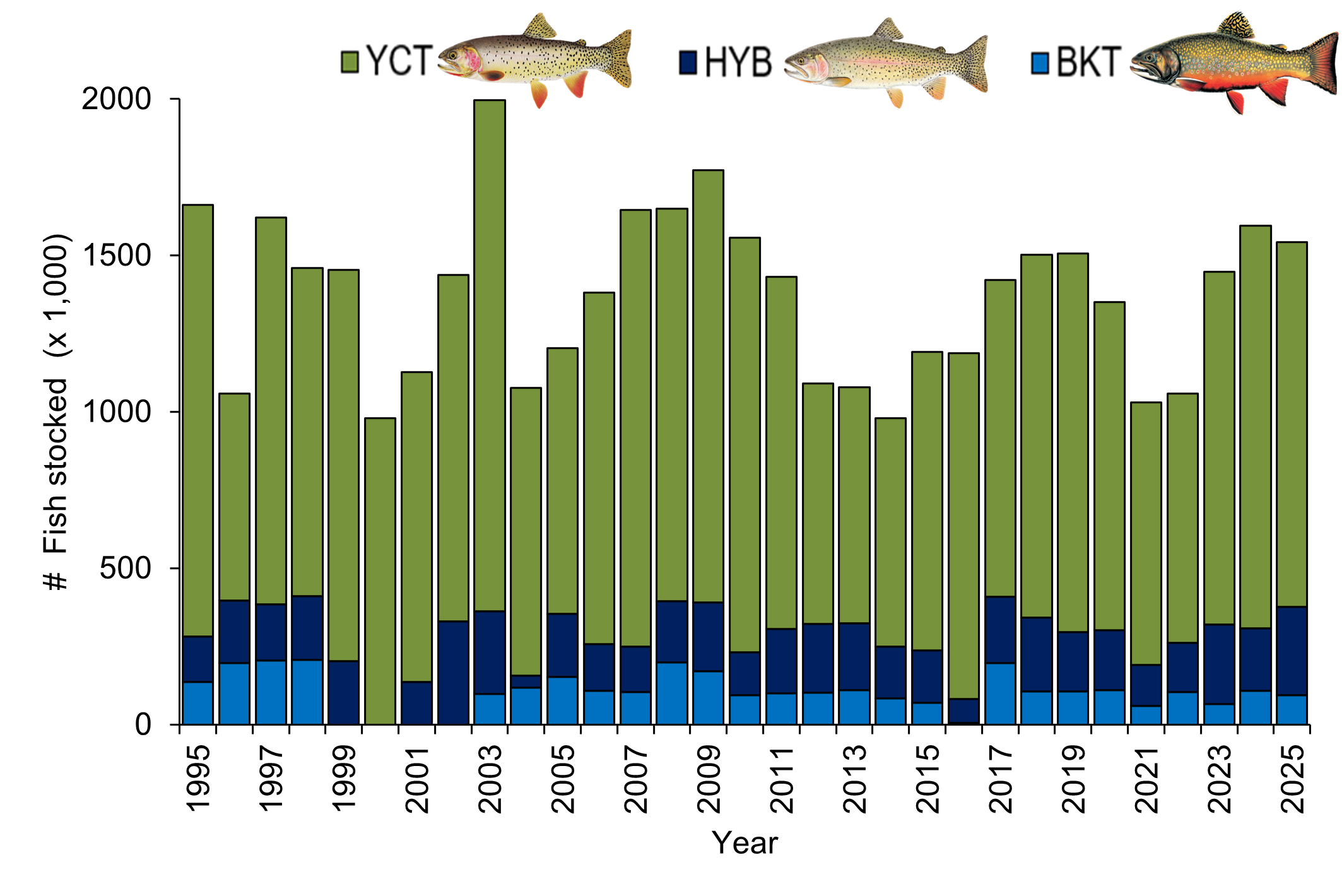
Given the popularity of Henrys Lake as a sport fishery and its reliance on hatchery-reared fish, we need to stock at high densities to achieve catch rate goals. In total, we stocked 1,543,000 trout in Henrys Lake in 2025, including 1,166,000 YCT, 283,000 HYB, and 94,000 BKT (Figure 5). 


Fish Stocking Chart
Figure 5. Number of YCT, HYB, and BKT stocked in Henrys Lake over the last 30 years.


Current and Upcoming Projects

Duck Creek Fish Passage Project: This one has been in the works for awhile, but was finally completed this fall. On Duck Creek, a dilapidated diversion headgate was causing problems for fish passage. With funding help from the U.S. Fish and Wildlife Service and Henrys Lake Foundation, we were able to replace that headgate and install an engineered riffle that will allow fish to move upstream and downstream at-will. The contractors who did the work noted that they’ve never seen a project area populate with fish so quickly after installation! 

Lower Targhee Creek: Over the past few years, IDFG, Henrys Lake Foundation, the landowner, and other partners have been working diligently to plan, design, fund, and implement a large-scale restoration project on lower Targhee Creek. Targhee Creek is the most important tributary to Henrys Lake, supporting spawning runs and providing critical thermal and oxygen refugia during the heat of summer and cold of winter. We’ll be breaking ground on this project in 2026, and it will involve the reconnection of a historic channel of Targhee Creek providing additional YCT spawning and rearing habitat, as well as habitat restoration activities in mainstem. Projects like this with so many passionate and invested partners are how we move the needle for the Henrys Lake fishery!

Ask a Biologist

At the end of each newsletter, I like to have an “Ask a Biologist” section where I can help answer/explain a timely and important question I receive about Henrys Lake or the surrounding watershed. Please send me any relevant questions you may have! My email is Nathan.Tillotson@idfg.idaho.gov

Question: Why are hatchery-stocked fish not surviving consistently in Henrys Lake and what is IDFG doing about it?  

Answer: 

As to the “why”, we’ve spent considerable effort digging into this exact question. Unfortunately, our stocked fish are incredibly difficult to get our hands on between the time of stocking and when they show up in our gillnet survey at age-2. Without being able to survey them consistently and effectively during that life stage, it’s difficult to identify the exact causes of mortality. However, we’ve narrowed it down to two leading theories that are not mutually exclusive. Water quality and predation. 

Water quality is a tough one because we don’t have the ability to significantly change things like water temperature, dissolved oxygen, or harmful algal blooms on Henrys Lake. If lake conditions at the time of stocking are poor, then it’s not surprising that a large portion of our hatchery fish don’t survive long after leaving the truck. Predation is similarly challenging because we know growth of adult trout in Henrys Lake is correlated with our stocking numbers on any given year. Our bigger trout are taking advantage of stocked fingerlings as soon as they leave the truck. We believe this problem was particularly impactful with our HYB stocking in recent years. From 2019-2024 we stocked HYB in June rather than our normal program of stocking all species in September. Adult trout were able to take disproportionate advantage of our HYB since they were stocked so much earlier and because we stock considerably fewer HYB than YCT. 

Fortunately, we do have some tools in our fisheries toolkit to try to address these concerns. Stocking strategy evaluations. While we can’t meaningfully change Henrys Lake water quality by flipping a switch, and neither can we convince our adult trout to not gobble up as many hatchery fingerlings as they can stomach, we can use the information available to give our hatchery fingerlings the best chance for survival by changing how we stock fish. Not only have we returned our HYB stocking timing to September with the rest of the fish, but we are currently evaluating two different stocking strategies to address water quality and predation concerns. 

In 2024 and 2025, we began stocking a portion of YCT fingerlings with known genetic signatures in the tributaries to Henrys Lake. Even if lake conditions aren’t favorable for fingerling survival, conditions in the tributaries should be much better from a water quality perspective. Further, stocking fingerlings in the tributaries should allow these hatchery fish to get their bearings in a place with fewer predators before out-migrating to the lake. In the coming years, we’ll be able to compare relative survival of lake-stocked fish to tributary-stocked fish in the gillnet catch. 

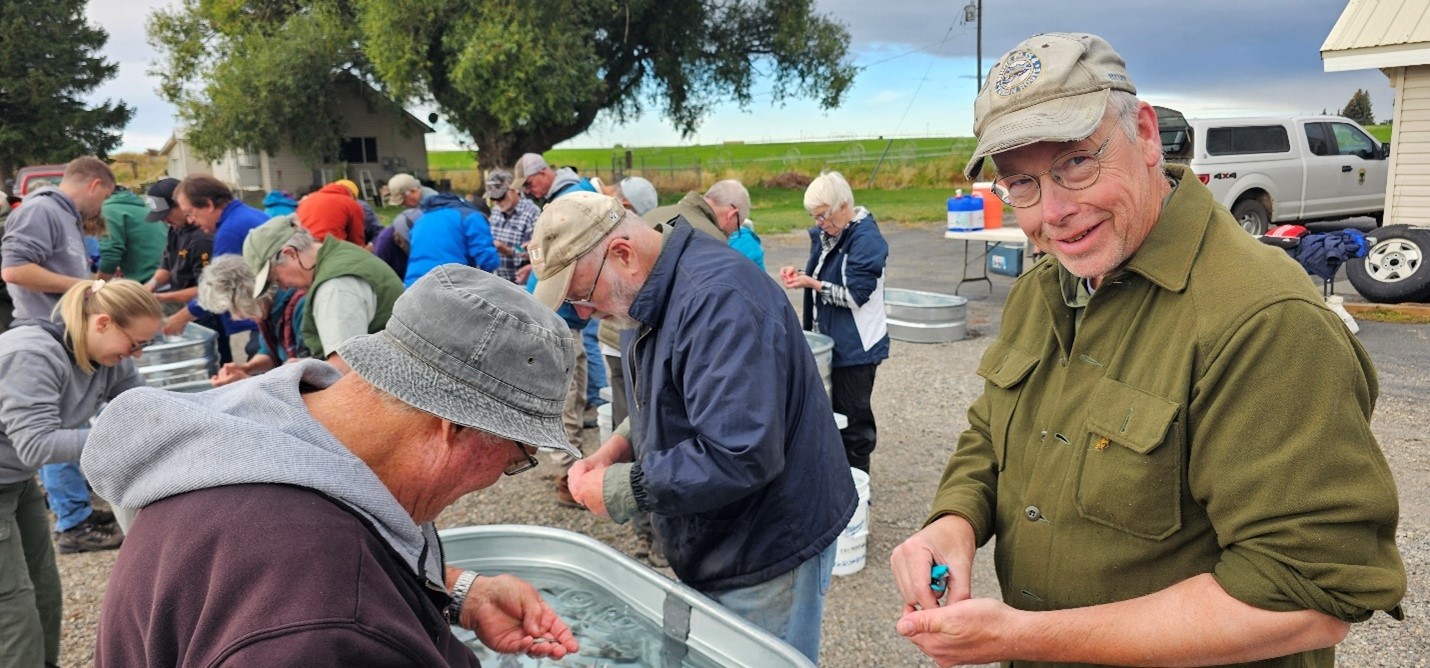
The second major stocking strategy study is a size-at-release evaluation for our HYB. However, this project was more than we could accomplish on our own. Funding and logistical challenges associated with existing hatchery space limited our ability to accomplish this in-house. Because of the generosity and savvy of the great folks at the Henrys Lake Foundation, we were able to team up to make it happen. With their help, we secured space at a private hatchery to rear some Henrys Lake HYB to larger sizes prior to stocking. This study will involve stocking one group from the private hatchery at the same size and time as the rest of the HYB (which happened in September 2025), while the other group will be held over-winter to be stocked in May 2026 at ~7 in. The first winter of a fish’s life is when it’s most likely to die, so holding these fish in a controlled hatchery environment overwinter should allow elevated survival rates as compared to fish stocked prior to their first winter. Additionally, these larger HYB should be less vulnerable to predation by adult trout, further increasing their odds of survival. Each group from the private hatchery will be marked with a pelvic fin clip so we can compare survival among groups, but you likely won’t catch them until they get large enough by the end of 2026 or early 2027. The picture below is from our first fin clipping effort this past fall, but we’ll be doing another fin clipping in Spring 2026. These are large efforts, so please reach out if you’d like to be involved!


Large group clipping fish fins at the hatchery