idfg-badge

Idaho Fish and Game

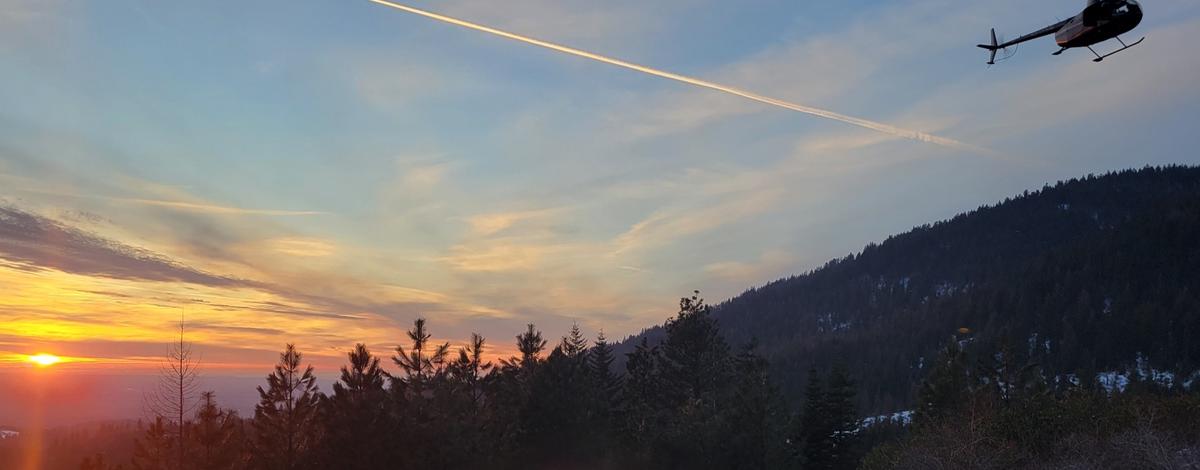
Helicopter in flight for elk captures in North Idaho.

Fish and Game to capture and GPS-collar elk calves to support long-term elk management in North Idaho

idfg-tjross

Panhandle Region staff begin annual calf-collaring efforts to better understand elk survival and population trends

To many people, the idea of using a helicopter to locate, capture and place a GPS collar on an elk may sound like something out of a nature documentary. For Idaho Fish and Game wildlife biologists, however, it is an important and carefully planned part of managing elk herds and ensuring continued hunting opportunities in North Idaho.

Each year, Fish and Game staff in the Panhandle Region conduct limited helicopter operations to deploy GPS collars on elk calves. The data collected help biologists better understand where elk live, how they move across the landscape and what factors influence survival—information that directly supports science-based elk management.

“When an animal is wearing a GPS collar, we learn a great deal about the habitats it uses, how it moves throughout the year, and, if it dies, what caused that mortality,” said Barb Moore, Regional Wildlife Biologist in the Panhandle Region. “That information helps the Fish and Game Commission to make informed decisions about setting hunting seasons and long-term population management.”

Helicopter in flight for elk captures in North Idaho.

Why focus on elk calves?

In the Panhandle Region and across Idaho, adult cow elk survival has been relatively stable from year-to-year. Elk calves, however, experience much more variable survival during their first year of life, particularly through winter months. Calf survival plays a key role in whether elk populations grow, remain stable or decline.

By monitoring calf survival over time, Fish and Game gains a clearer picture of what is influencing elk populations and can better anticipate future changes.

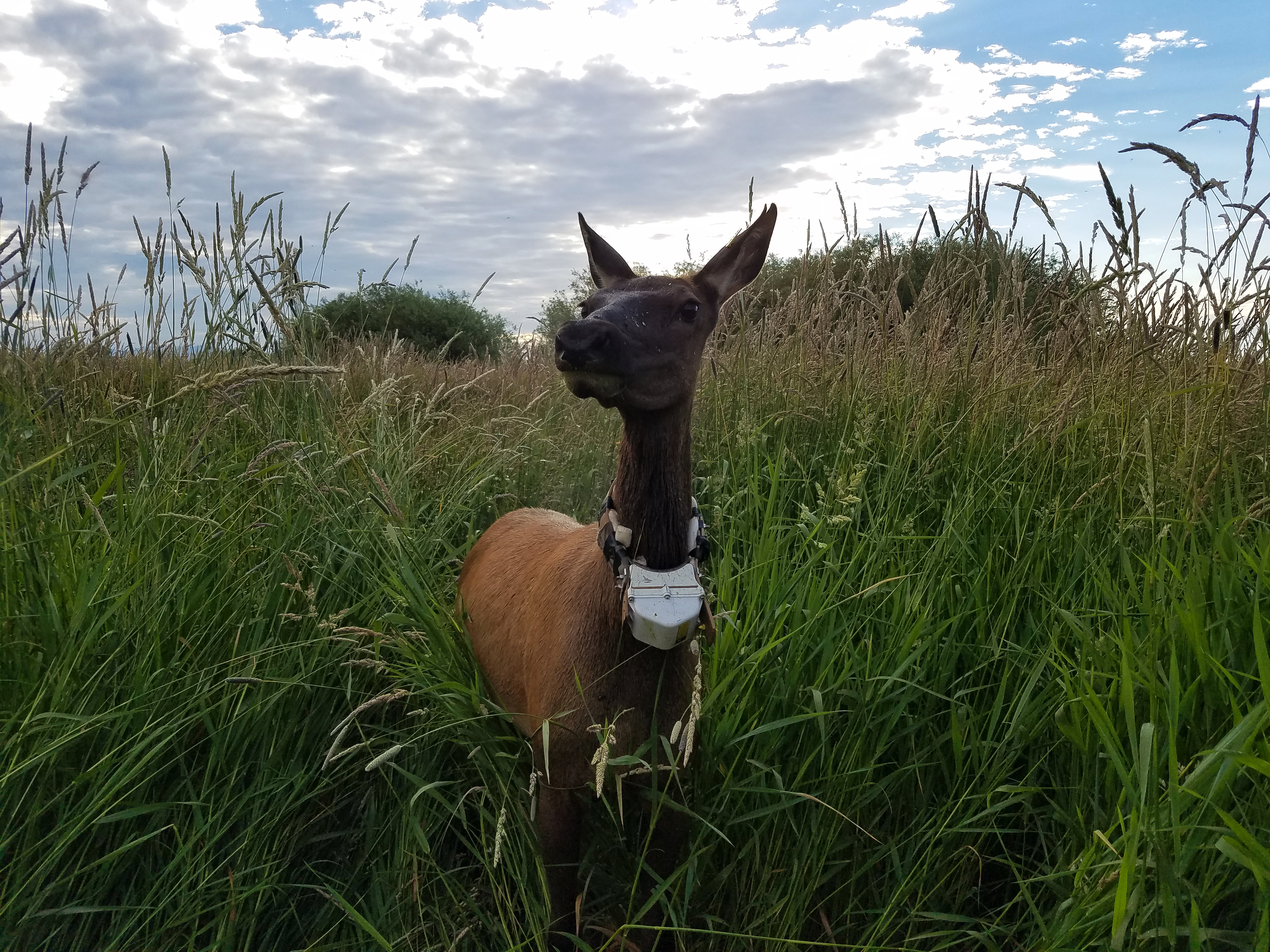
Elk with a GPS collar.

Where and how the work will occur

In 2026, biologists plan to deploy approximately 30 GPS collars on elk calves in Game Management Unit 3. Capture efforts take place on public lands and private properties where permission has been granted, including lands of timber companies and individual landowners. While helicopters may occasionally fly over nearby private property, captures only occur in authorized locations.

Animal welfare and safety are top priorities during capture operations. Calves are darted from a helicopter using fast-acting immobilization drugs. These short, carefully controlled pursuits are not prolonged and are designed to minimize stress. Once immobilized, each calf is quickly fitted with a GPS collar, given a reversal drug and is able to stand and move normally within minutes.

Weather and field conditions can affect operations, and capture efforts may take several days to complete. If you see or hear a helicopter in the mountains during this time, Fish and Game staff are actively conducting this important management work.

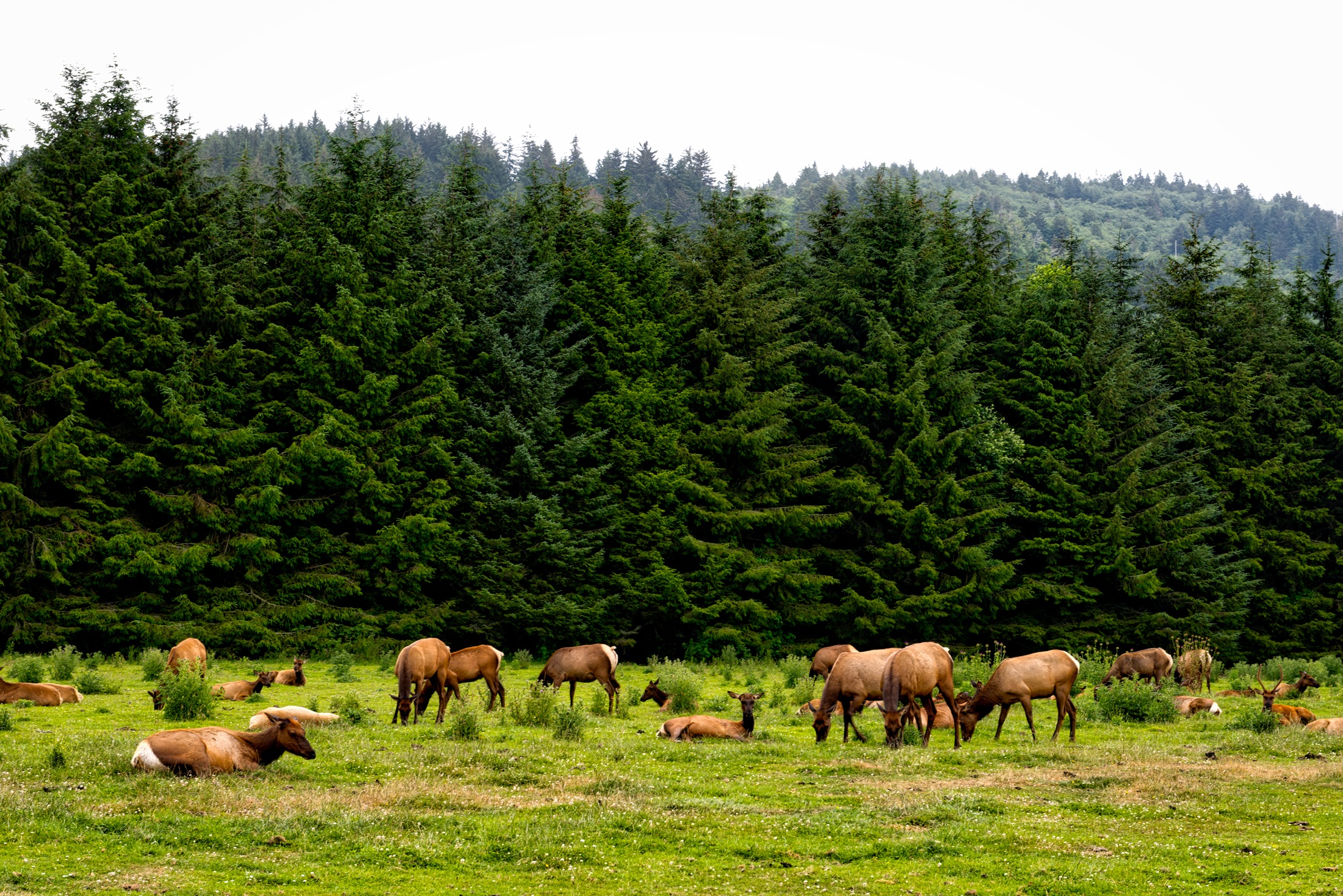
Cow elk in a field.

For more information or questions about elk capture and monitoring efforts, please contact the Panhandle Regional office at (208) 769-1414. 

Follow the Panhandle Region Facebook page for regular news and updates.