
Idaho Fish and Game is seeking a volunteer representative from the Salmon Region who wants to have an impact on shooting range decisions. The volunteer will serve on a Citizens Shooting Range Advisory Committee, which will be responsible for providing annual input about public shooting range grant applications.
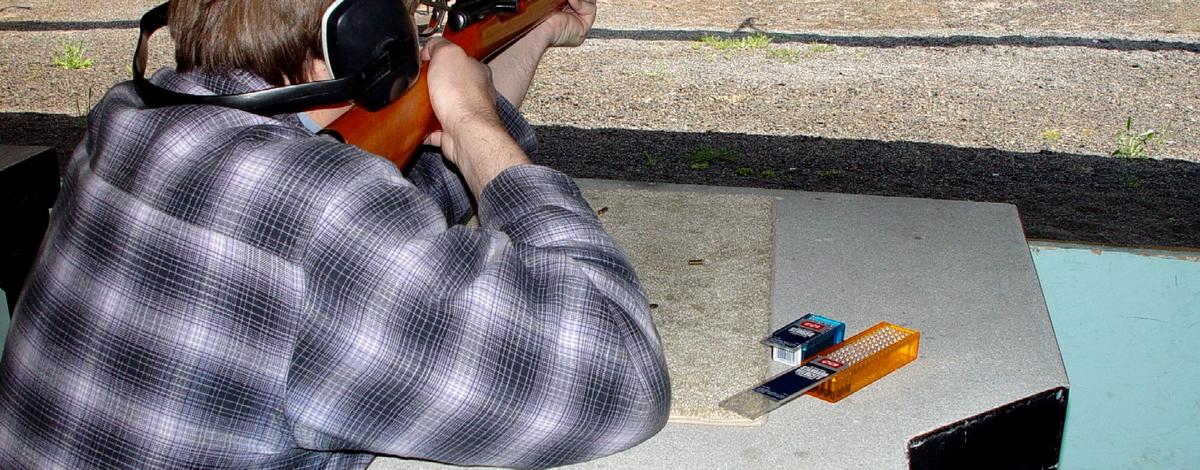
F&G seeks local volunteer to serve on the Citizens Shooting Range Advisory Committee
idfg-mdemick
If you enjoy shooting and volunteering, this may be an opportunity just for you
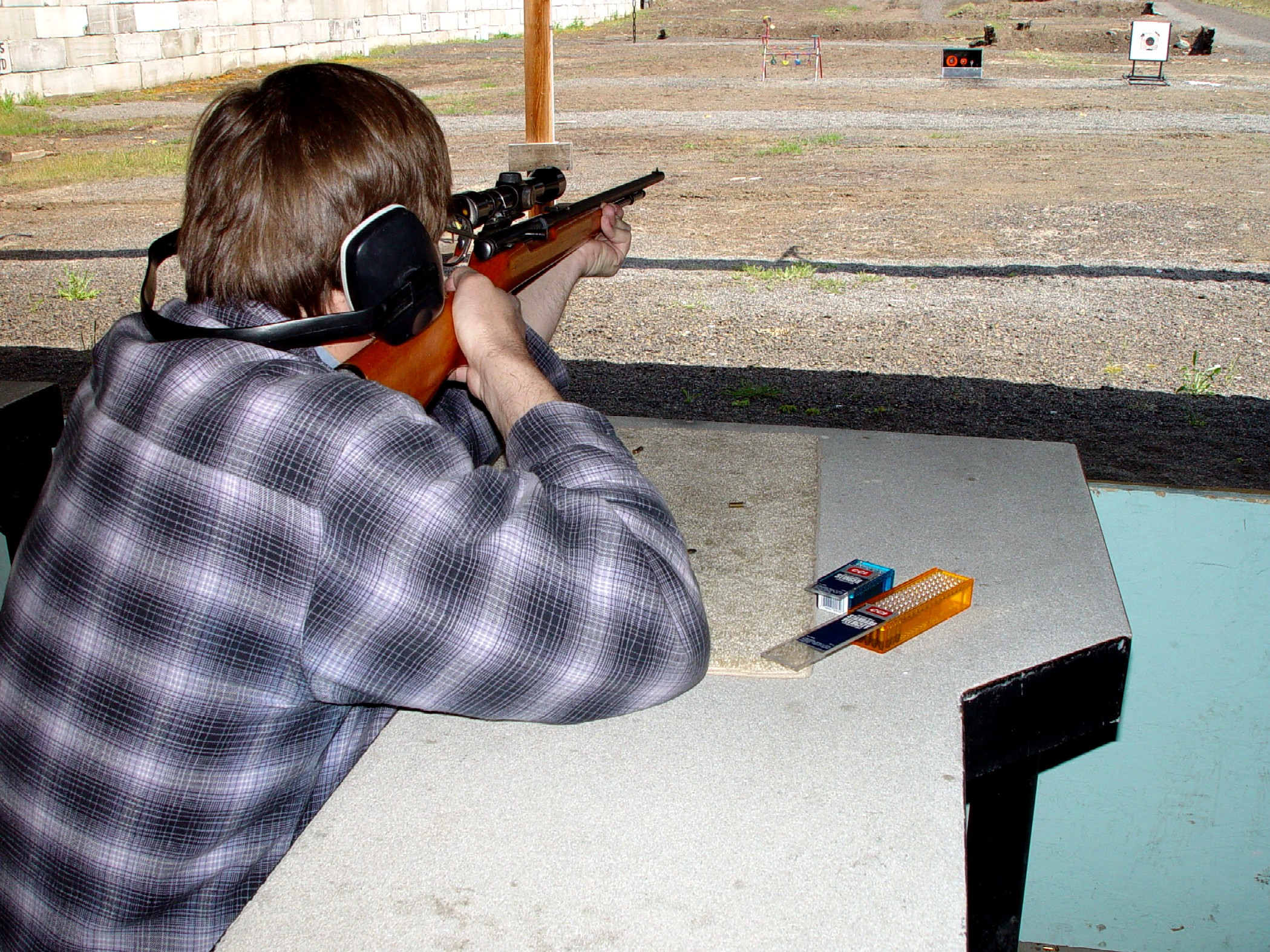
Eligible candidates should regularly use public shooting ranges and understand the elements necessary for safe range operation. The committee represents a diverse mix of shooters, including hunters, recreational and competitive shooters, and industry representatives.
The busiest period is January through March during the shooting range grant cycle. Meetings are held virtually, with facilitation and logistical support provided by Fish and Game. The deadline to apply is Nov. 10.
For more information, contact Krystal Smith, Fish and Game hunter education technician, at 208-993-3805 or krystaldawn.smith@idfg.idaho.gov. To download an application, visit Fish and Game’s Citizens Shooting Range Advisory Committee webpage.
The committee has seven members, one from each Fish and Game region. Representatives will serve a two-year term, with reappointment at the discretion of the Fish and Game director.
The Citizens Shooting Range Advisory Committee was created as a part of Idaho House Bill 396, which passed in 2020. The law created a new Public Shooting Range Fund, which is administered by the Fish and Game Commission. The Public Shooting Range Fund incorporates the financial resources previously used by Fish and Game for shooting range grants. The committee was created to advise Fish and Game about applications the agency solicits each year for these grants.
Idaho Fish and Game has partnered with nonprofit shooting organizations and state and local governments that own or manage shooting ranges, including archery ranges, since 1978. The funds come from federal manufacturer excise taxes collected on the sales of firearms, ammunition and archery equipment and from state fine and forfeiture monies remitted for wildlife crimes.