idfg-badge

Idaho Fish and Game

Hunter harvests a cow elk in winter

Controlled hunt application period for deer, elk, pronghorn, swan, and fall black bear and turkey runs May 1 through June 5

idfg-cliess

Hunters can also apply for the first Super Hunt drawing through May 31.

The application period for fall 2026 deer, elk, pronghorn, swan, black bear and turkey controlled hunts begins May 1 and runs through June 5. Hunters can also apply for the first Super Hunt drawing through May 31.

Hunters with a valid 2026 Idaho hunting license may apply for controlled hunts online at GoOutdoorsIdaho.com, at any license vendor, Fish and Game office, or by calling 1-800-554-8685. There is an additional fee for online and phone orders.

How to Submit an Online Controlled Hunt Application

Controlled hunts are a chance at some of Idaho’s best buck and bull hunts, antlerless hunts, extra hunting opportunity, or tags set aside for youth hunters. The new 2026 Big Game Seasons and Rules booklets are available online, at Fish and Game regional offices, and should be available at license vendors soon, if not already. Reviewing the seasons and rules booklet can help you determine which controlled hunt is right for you.

Controlled hunts typically have higher success rates than general hunts, fewer hunters in the field, and many hunters feel they have a better chance of harvesting a mature bull or buck during a controlled hunt. The tradeoff is controlled hunts typically limit where and when you can hunt, as opposed to a statewide general deer hunt or general season elk zone tag that typically includes several hunting units.
Don’t forget about Super Hunts!

Want to increase your chances of landing a coveted deer, elk, pronghorn, or moose tag? Idaho’s Super Hunt drawing includes tags for deer, elk, pronghorn, and moose and allow you to hunt any open unit—general or controlled hunt—for that species. It costs only $6 to apply for a Super Hunt entry for one species, or $20 for the Super Hunt Combo. 

You can enter as many times as you like, and it won’t affect your other controlled hunt applications since a Super Hunt tag is considered an “extra” tag. See the Super Hunt webpage for details. Last year’s Super Hunt drawing raised about $1.9 million to fund sportsmen’s access programs and other big game management.

Utilize Fish and Game’s Hunt Planner

For controlled hunts, which are limited to a specific area, more specific information is required—and that’s where Fish and Game’s Hunt Planner comes in. The harvest stats for individual units and zones from the 2025 big game seasons, including both controlled hunts and general season hunts, are available on the Hunt Planner.

Hunters can also find controlled hunt draw odds from recent years in the Hunt Planner. While the draw odds vary from year to year depending on the number of applicants, these statistics can give hunters a general idea of how much interest there is in a specific controlled hunt.

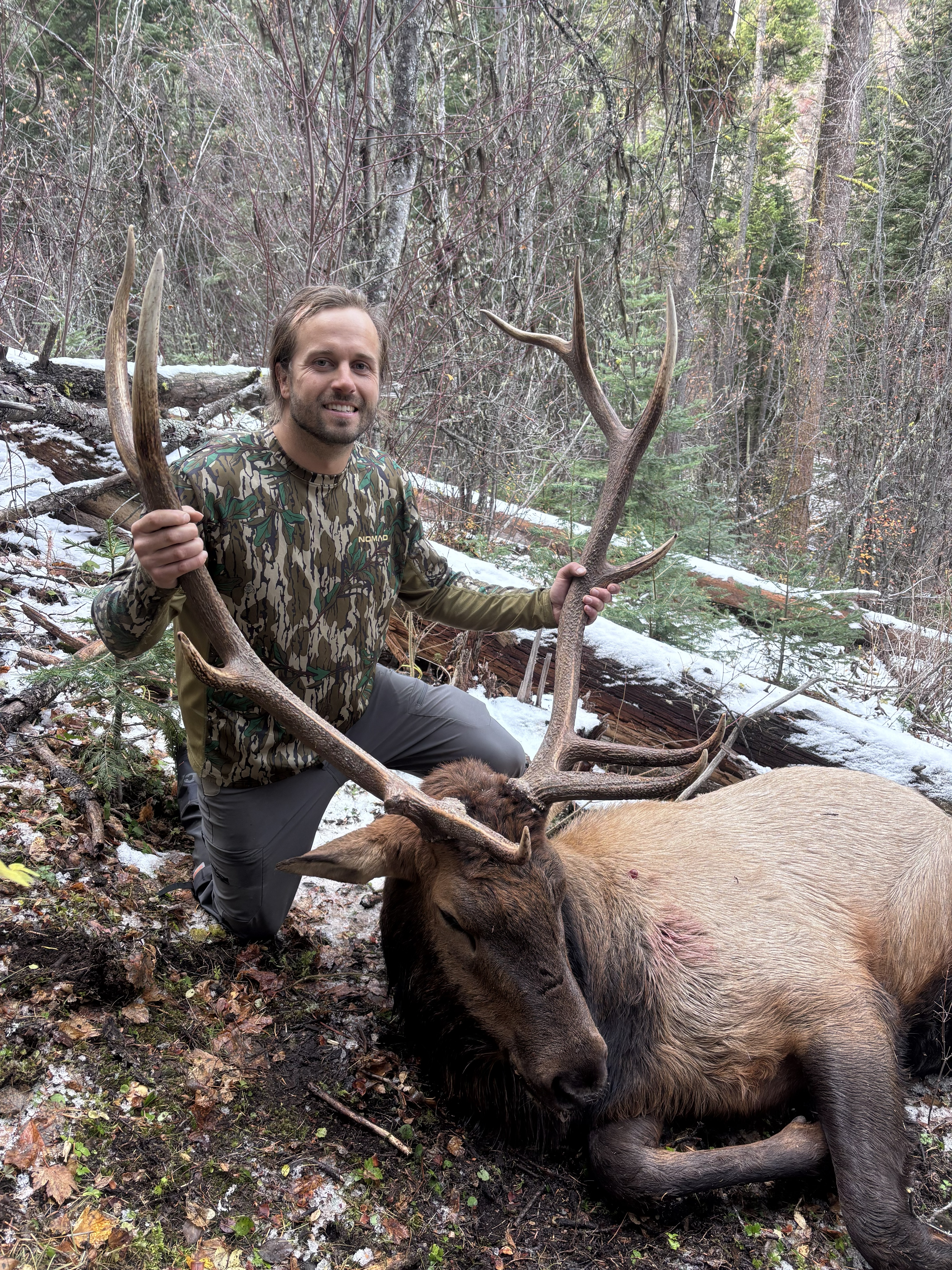
grayson with bull elk

Looking back at 2025 and ahead at 2026

Obviously, it’s a little early to make predictions about the 2026 fall big game seasons. Last year's harvest data and winter survival monitoring of elk and mule deer herds, especially fawns and calves, provide a glimpse of what might happen in 2025 if harvests and survival continue on their current trajectory—at least from a statewide perspective.

So, to kick off last year’s harvest summary, let’s take a look at the one species that didn’t see an uptick from the previous year: whitetails.

White-tailed deer harvest typically hovers around the 22,000 mark, and last year’s harvest wasn’t too far off from that. Hunters still have room for celebration, as the year’s harvest could’ve looked a lot different—but more on that in a bit. 

Last year’s 19,702 whitetail harvest still sits right in line with the 10-year average, which despite a handful of EHD outbreaks during the past decade, still continue to flourish. Despite slipping a bit from the 2024 hunter harvest, last fall’s harvest has Fish and Game biologists nodding their heads with optimism as we round out the final weeks of winter and approach this year’s hunting season.

Mule deer (or, technically speaking, mule deer hunters) are the biggest winners from the 2025 fall season. Harvest of muleys jumped 2.8% from 2024, or put another way, 691 more animals during this past year’s harvest. That’s worth noting, considering some of the state’s population had a rough go of it during the winter of ’22 and ‘23. 

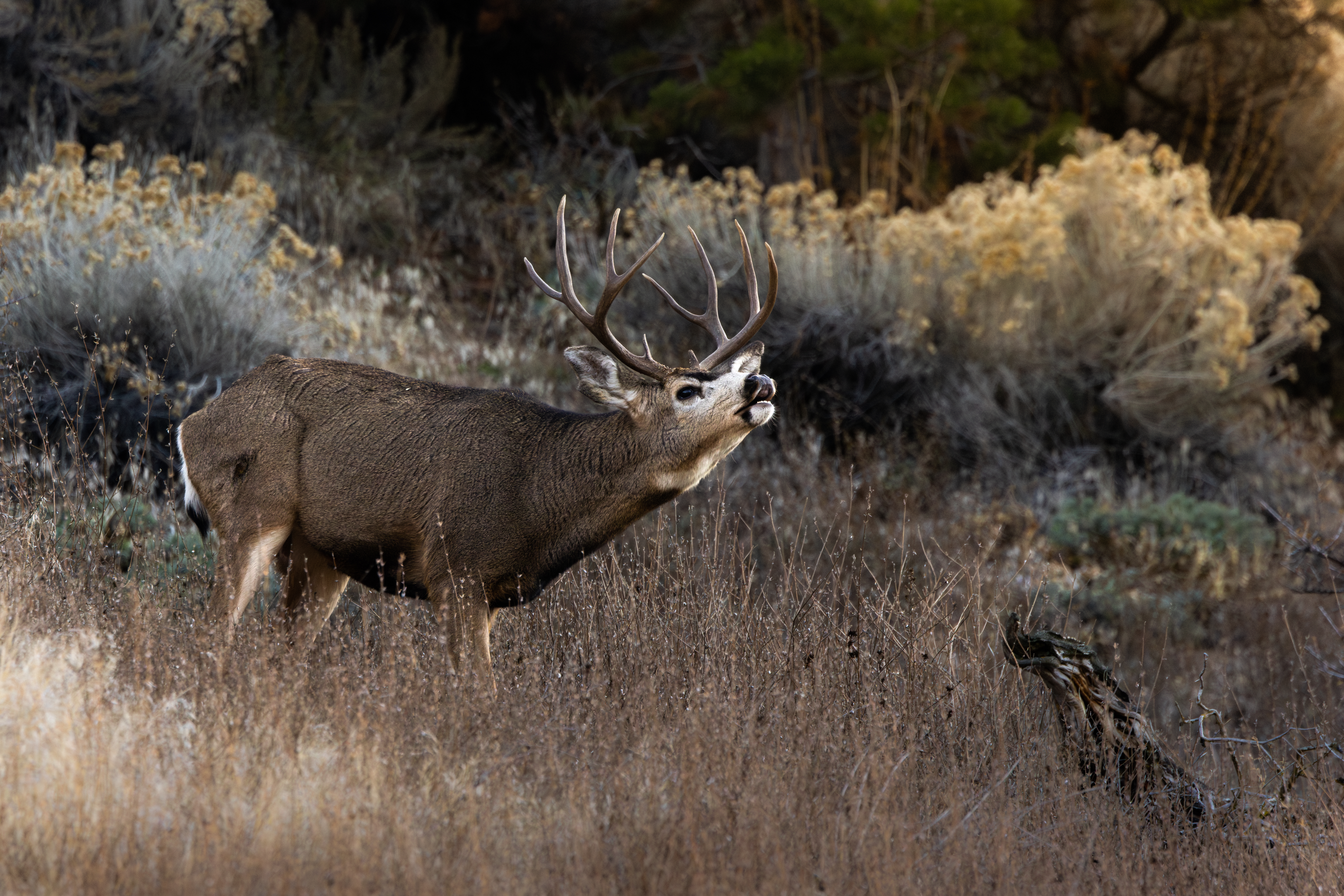
Mule deer

Fortunately for them, the past few Idaho winters have been some of the mildest in recent years, including this past winter which (for now) has been Club Med for mule deer. But as Fish and Game biologists point out, mild to nonexistent winters can have reverse effects come later in the summer.

Finally, on to elk. Elk hunters also had a successful fall, accounting for a 2.4% increase (or 509 animals) from 2024. As we’ve covered every year in these annual reports, elk don’t feel the impact of weather nearly as bad as their long-eared or white-tailed cousins. Last year’s harvest landed at 101% of the 10-year average (21,249), which makes it about as close to a “normal” harvest as you can get with fluctuating annual harvests.

You can check out the full 2025 Hunter Harvest Report here.