idfg-badge

Idaho Fish and Game

photo 12

What's going on with the Payette Lake fishery?

idfg-jmessner

While you may have a harder time filling your six-fish limit of kokanee at Payette Lake this year than in the past several, the fish are enormous.
If you've fished Payette Lake for kokanee this year, you already know the catch has been slower than it's been in a while. I'm not going to sugarcoat it: Kokanee abundance is down this season. But before that becomes a story about a fishery falling apart, here's the bigger picture: Payette Lake's kokanee have come back from a near-total collapse, and the work to keep them healthy hasn't let up for a second.

Good fisheries are rarely static, and Payette Lake is no exception. Over the past 50 years, kokanee have experienced dramatic highs and lows — from years when they were so abundant they were almost too small to catch, to years when abundance fell well below what we see today. Those fluctuations are a natural part of fisheries management and require constant adaptation.

In fact, we're stocking more kokanee into Payette Lake than we have in years, and the lake's world-class trophy lake trout fishery is in the best condition it's been in for decades. Understanding these year-to-year fluctuations — and responding to them — is simply part of managing a complex fishery like Payette Lake.

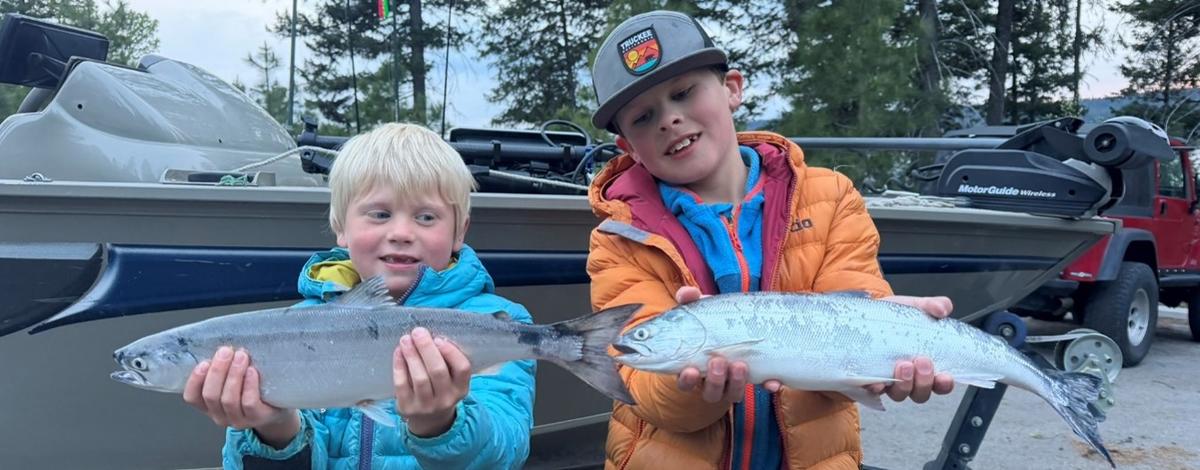
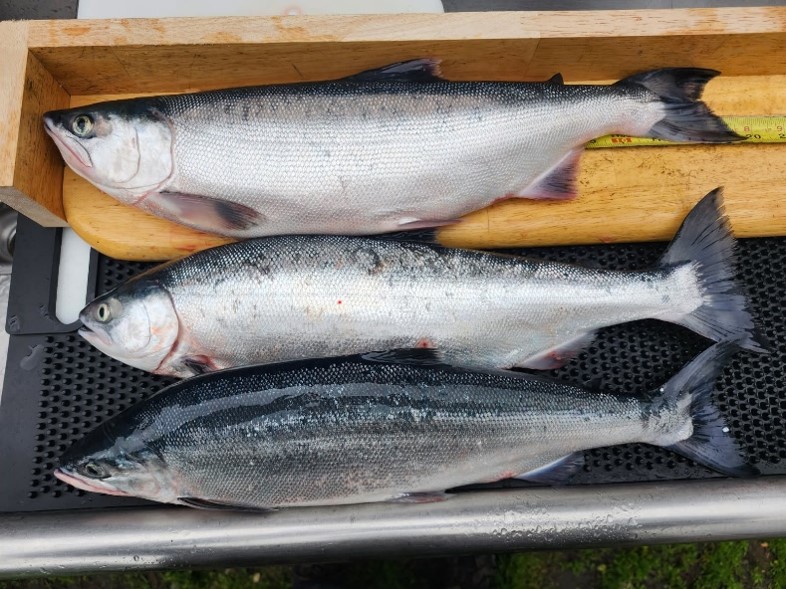
There's a silver lining for this season, too, and it's one most anglers recognize: When kokanee numbers dip, the fish that remain have more resources to go around, so they grow. While you may have a harder time filling your six-fish limit of kokanee at Payette Lake this year than in the past several, the fish are enormous.
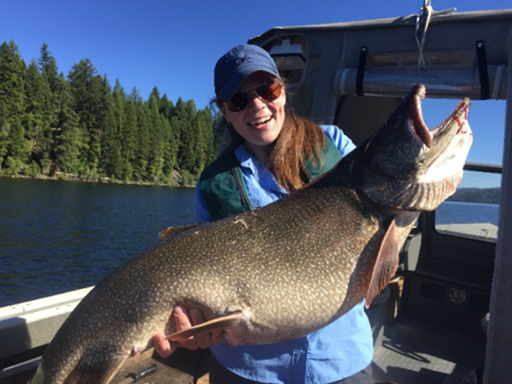
photo 1
Large kokanee from Payette Lake on a length board

Reports of kokanee exceeding 20 inches have become increasingly common, so while anglers may catch fewer fish, they're bringing home some of the largest kokanee you'll find anywhere in the state.

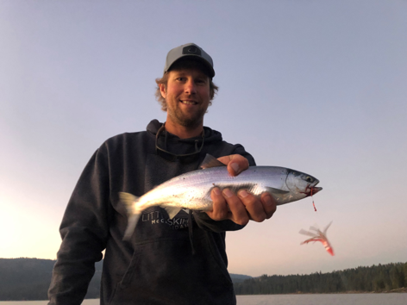
Our staff fish these waters, too. We celebrate the good years alongside anglers and feel the frustration of the slower years. That's why we're continually testing new approaches, evaluating results, and refining management strategies to improve fishing quality.

photo 2
Author with a kokanee from Payette Lake

The goal? Maintain a healthy kokanee population, preserve the world-class trophy lake trout fishery, and provide outstanding fishing opportunities on Payette Lake.

Here's how we got here and what we're working on now.

How we got here

Payette Lake's kokanee have a long history of boom and bust. From the 1970s through the early 2000s, they were abundant. Annual surveys counted anywhere from 15,000 to over 60,000 10-inch spawners building redds in the Meanders section of the North Fork Payette River. Then, in the early 2000s, the population crashed, and spawner counts fell to fewer than 1,000 fish a year over the course of a decade.

Lake trout (also known as Mackinaw) were introduced into Payette Lake in 1955. These long-lived predators can survive for more than 40 years, grow beyond 40 inches in length, and exceed 50 pounds. As the stocked fish matured, the trophy fishery gained popularity. During the 1990s, it wasn't uncommon for anglers to catch multiple lake trout over 15 pounds and occasionally fish exceeding 30 pounds in a single day.

photo 3
Large lake trout netted and released in Payette Lake.

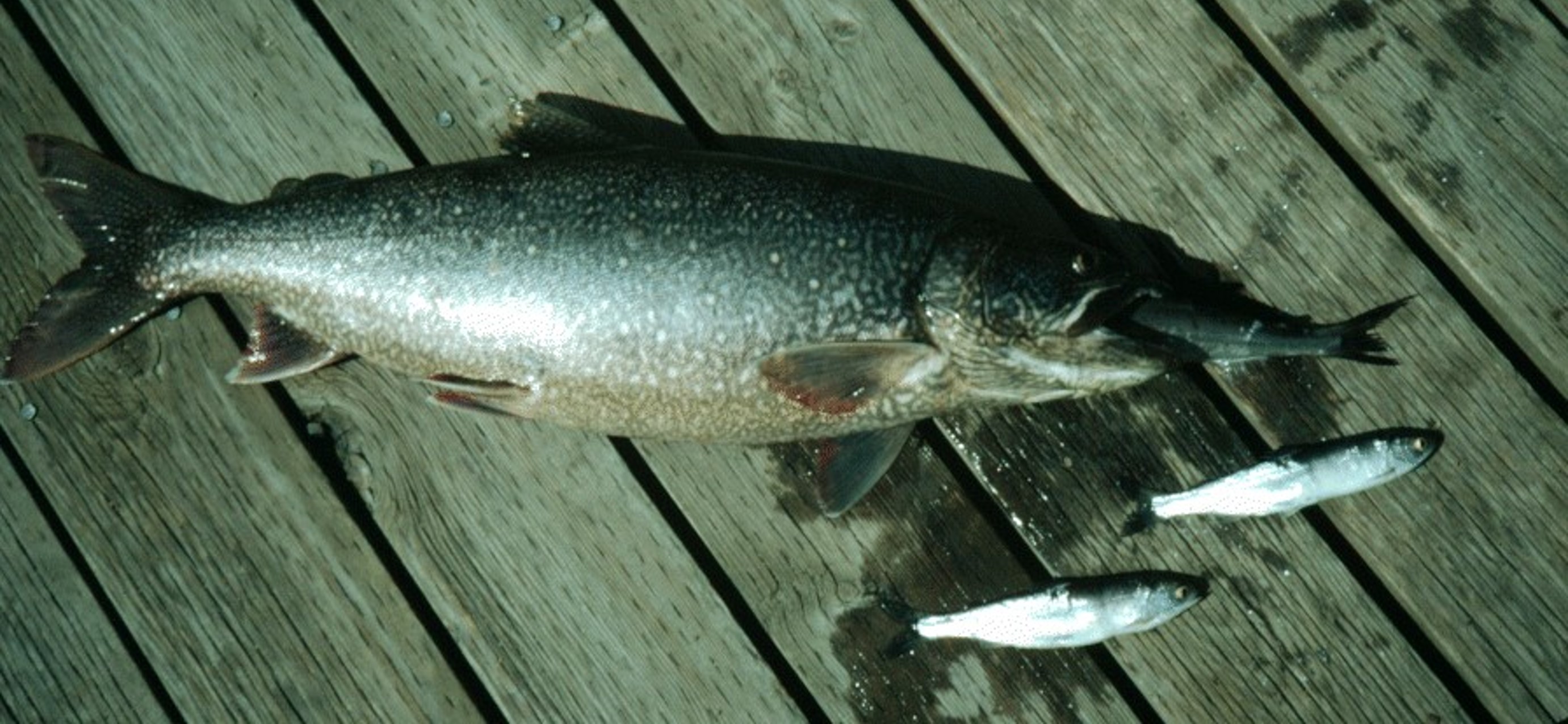
But with maturity came reproduction. By the early 2000s, lake trout abundance had increased dramatically. The growing population of juvenile lake trout required an enormous food supply, and kokanee became the preferred menu item.

photo 4
Lake trout regurgitating kokanee after being caught.

As lake trout numbers increased, kokanee numbers plummeted. Between 2007 and 2014, Idaho Fish and Game stocked 2.7 million kokanee fry into Payette Lake to rebuild the population. Despite those efforts, fewer than 1,000 kokanee returned to the North Fork Payette River to spawn each year.

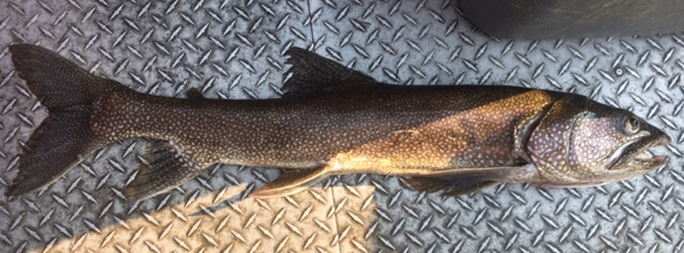
The decline also began affecting the quality of the lake trout fishery. While anglers could still catch giant trophy fish during the mid- to late-2000s, many smaller lake trout were thin and undernourished. Thirty-inch fish often looked more like eels than healthy predators.

photo 5
An emaciated 30-inch lake trout captured from Payette Lake in 2018.

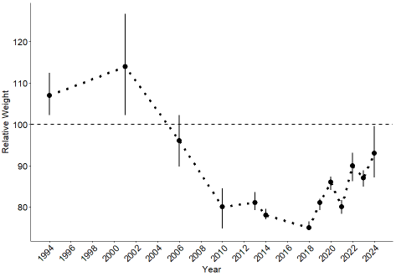
The numbers spoke for themselves: From 2000 to 2010, average lake trout relative weight declined from 107 to 80 — a clear indication that too many predators were competing for too little food. 

By 2014, fisheries managers recognized that action was needed and faced two objectives at once: increase kokanee abundance to provide fishing opportunity, and improve the quality of the trophy lake trout fishery. Fortunately, the same strategy could address both problems: Reducing the abundance of smaller lake trout would lessen predation on kokanee while also freeing up food resources for the remaining trophy lake trout.

The lake trout suppression program began in earnest in 2018. Each year, McCall fisheries staff spend approximately 25 days setting gill nets designed specifically to target juvenile lake trout. The mesh sizes are highly effective at capturing smaller lake trout while minimizing impacts to larger trophy-sized lake trout, as well as other species of fish in the lake. When large lake trout are encountered, they are often only lightly entangled by their teeth. 

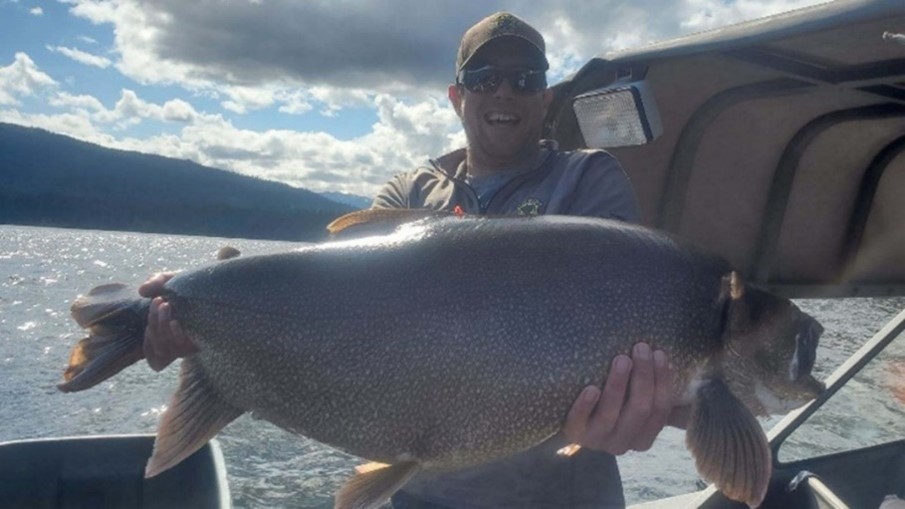
Staff carefully remove them from the nets, collect biological data, apply tags, and release them back into the lake. More than 160 lake trout over 27 inches have been tagged and let go since 2018, including this 54-pound fish caught and released in 2023.

photo 6
A 54-pound lake trout netted and released in Payette Lake in 2023.

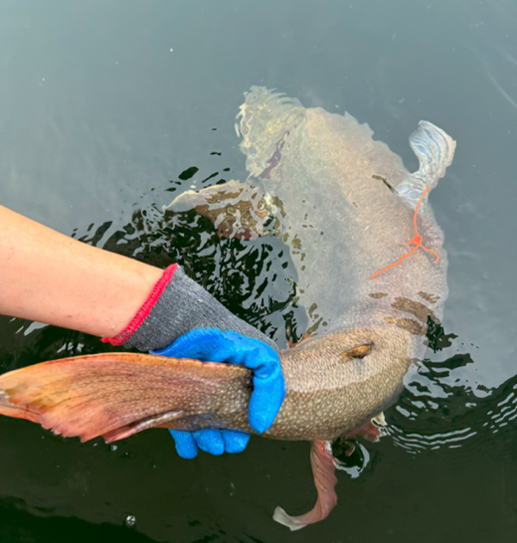
The tags, known as spaghetti tags, carry unique identification numbers and reporting information for anglers. Some tags even carry rewards for anglers who return them. Returns help biologists better understand lake trout movement patterns, survival, catch rates, and overall abundance, all managed through the Department’s Tag, You’re It program

Since 2018, staff have removed approximately 3,100 lake trout from Payette Lake, averaging roughly 445 fish per year.

photo 7
Releasing a large, tagged lake trout.

A fishery brought back into balance

The suppression effort that began in 2018, combined with renewed kokanee stocking, has dramatically changed the trajectory of both the kokanee and lake trout fisheries. 

On the kokanee side, Fish and Game resumed stocking in 2020. Current efforts focus heavily on the Meanders section of the North Fork Payette River that flows into the lake, allowing fish to imprint on the river and return there to spawn when they reach maturity two to four years later.

The results show up in the data. Spawner surveys have climbed steadily since 2018. In 2023, anglers spent an estimated 22,000 hours fishing kokanee on Payette Lake and harvested about 7,800 fish — the highest level of kokanee fishing effort documented on the lake in at least 50 years. 

photo 8
Annual kokanee spawner counts in the Meanders section of the North Fork Payette River above Payette Lake from 1985 to present.

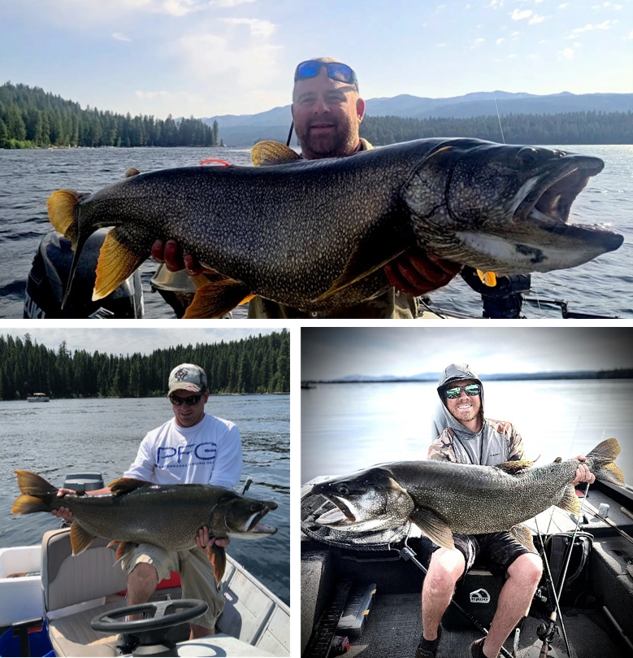
The lake trout have benefited, too. Average relative weight has recovered, and the lake has produced three catch-and-release state records since 2018.

photo 9
Lake trout average relative weight from 1994 to present. You can think of relative weight as a percent: A score at or near 100 would be a very healthy weight for a fish of a certain length. When managing for a balanced fishery, biologists want most fish to have relative weights greater than 90. Fisheries managers start to get really concerned when relative weights begin to dip below 80, which often points to a very limited food supply.
photo 10
Catch-and-release state record lake trout caught in Payette Lake in 2018 (bottom left), 2025 (top), and 2026 (bottom right).

Why kokanee numbers are down this year

So why the dip in kokanee numbers? 

The honest answer is that the program is still relatively young, and we're still learning exactly what drives these year-to-year swings. While this year’s decline is disappointing, it's also exactly the kind of fluctuation we're trying to better understand. Unlike twenty years ago, we aren't simply watching kokanee numbers rise and fall — we're actively measuring survival, evaluating management actions, and testing new strategies. Our current work focuses on several factors that could help explain this year’s lower abundance.

Harvest

As the fishery gained popularity, harvest increased substantially.

To better understand angler impacts, Fish and Game conducts annual creel surveys and tag kokanee to estimate exploitation rates. So far, available data suggest overharvest is not the primary driver behind the recent decline.

Stocking Strategies

Stocking kokanee isn't as simple as putting more fish in the lake. Success depends on how those fish are reared, where and when they're released, and how well they survive after stocking. Those are exactly the questions we're working to answer, and why comparing different stocking strategies is such an important part of the management program. 

Fish stocked into Payette Lake originate from multiple sources and are marked differently so biologists can evaluate their relative performance. Understanding which stocks survive and return at the highest rates will help guide future management decisions.

photo 11
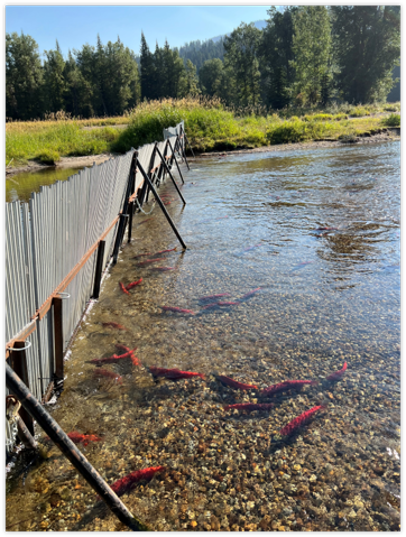
Kokanee spawning below the fish weir on the North Fork Payette River, upstream of Payette Lake.
North Fork Payette River weir

Since 2022, Fish and Game has operated a fish weir on the North Fork Payette River spawning grounds.

Approximately half of the returning fish are passed upstream to spawn naturally, while eggs are collected from the remaining fish and reared in hatcheries before being stocked back into the lake.

Fish have been reared at both Mackay and Cabinet Gorge hatcheries, allowing biologists to compare performance between facilities. So far, it does appear that some rearing strategies may perform better than others. 

Natural reproduction

Natural reproduction remains the foundation of the Payette Lake kokanee fishery.

During the population collapse between 2007 and 2014, natural reproduction was what kept the population from disappearing entirely.

Recent evaluations indicate that in lower-abundance years, naturally produced fish make up a substantial portion of the population – further highlighting some variability in survival of stocked fish. That finding highlights the importance of maintaining healthy spawning habitat while continuing to refine stocking strategies.

Captive broodstock

Captive broodstock represents the newest tool available to managers.

A portion of the fish collected at the North Fork Payette weir each year are retained at Grace Fish Hatchery and raised to maturity. The first generation of those fish spawned last fall, and their offspring will be stocked into waters across Idaho this year.

Approximately 1 million fingerlings will be stocked statewide, including 250,000 destined for Payette Lake.

For more information on the Captive Broodstock program, read this article.

Looking ahead

Fisheries management is rarely about finding a single solution. It's about continually learning, adapting, and making decisions with the best information available.

While kokanee fishing is undoubtedly slower this year, the long-term picture is much different than it was just a decade ago. Spawner abundance has rebounded dramatically from the population collapse of the early 2000s, lake trout body condition has recovered, and anglers are catching some of the largest kokanee and trophy lake trout the lake has produced in decades.

We'll continue monitoring the kokanee population, evaluating the performance of different stocking strategies, and refining the management program as we learn more. We may experience one or two slower years of kokanee fishing now and again, but that does not mean recovery has failed.

Our goal hasn't changed: provide a healthy, sustainable kokanee population while maintaining one of the finest trophy lake trout fisheries in the West.

Good fisheries don't happen by accident. They require long-term commitment, constant adaptation, and patience. We're committed to doing that work so you can enjoy incredible fishing opportunities on Payette Lake.