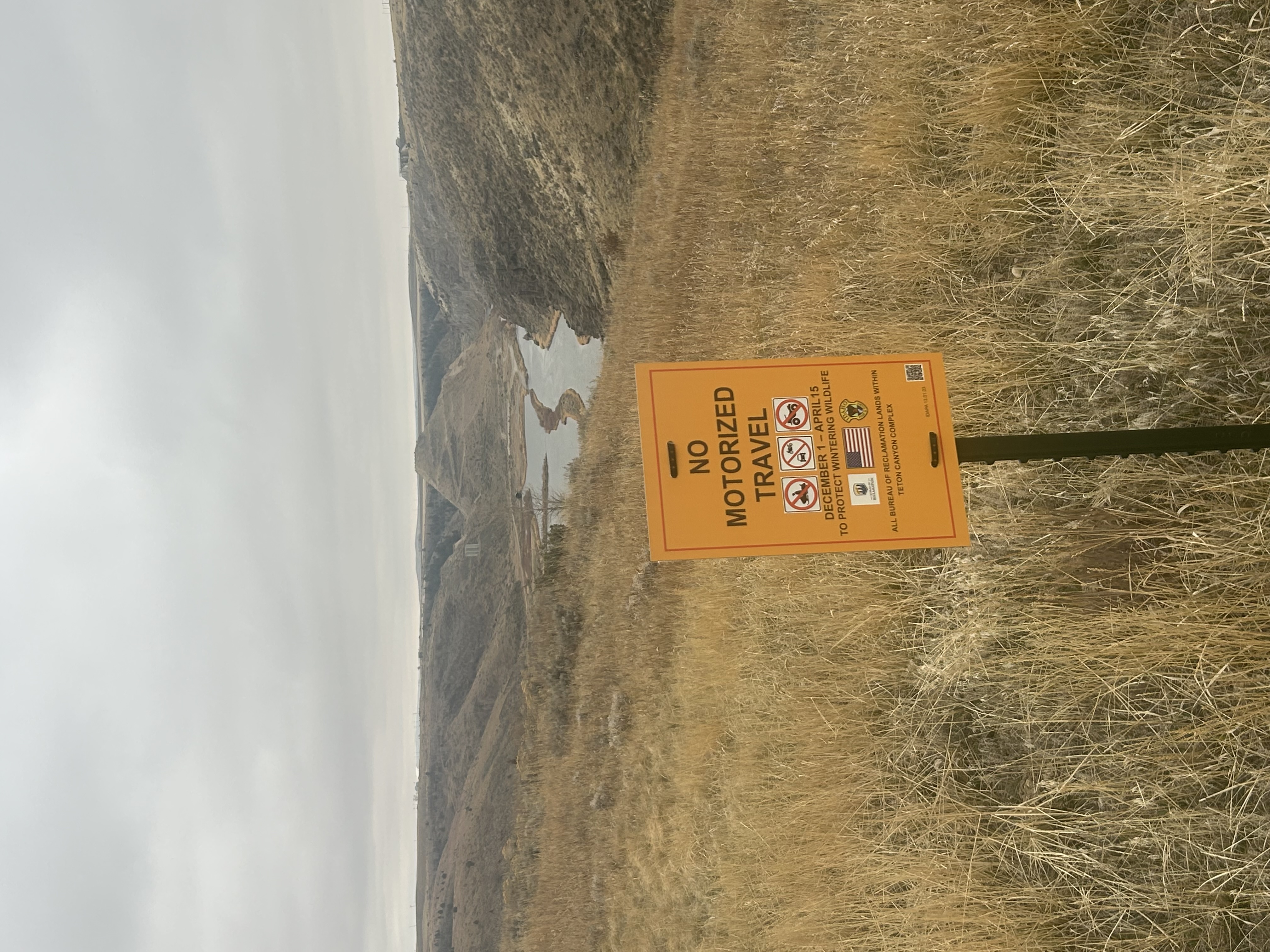
Idaho Fish and Game, in cooperation with the Bureau of Reclamation and multiple private landowners, will again implement seasonal motorized travel restrictions on Bureau of Reclamation lands within the Teton Canyon Complex from Dec. 1, 2026, through April 15, 2027.
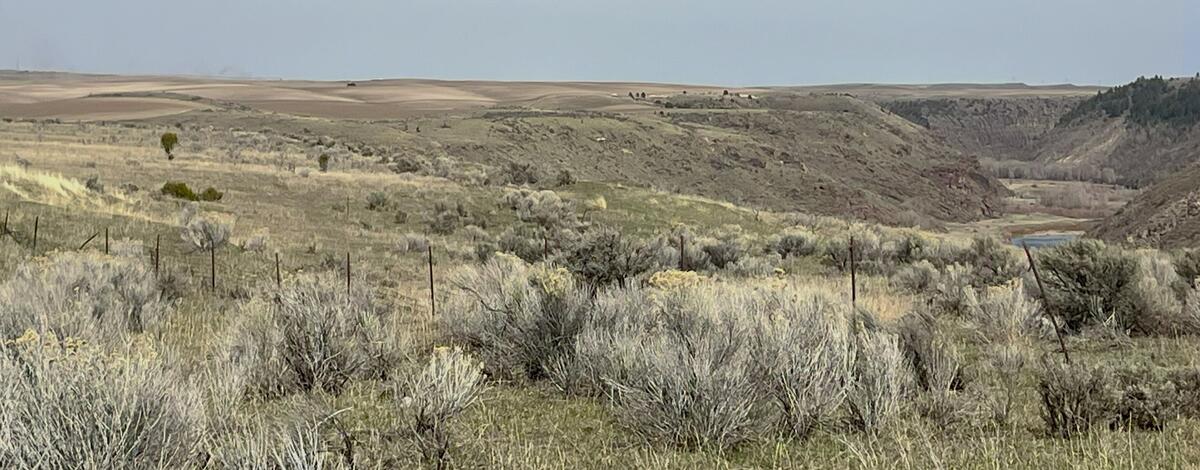
Seasonal motorized closures and habitat improvements support the future of Teton Canyon elk and mule Deer
idfg-jbrower
Collaborative efforts continue to strengthen winter habitat and reduce wildlife conflicts in eastern Idaho
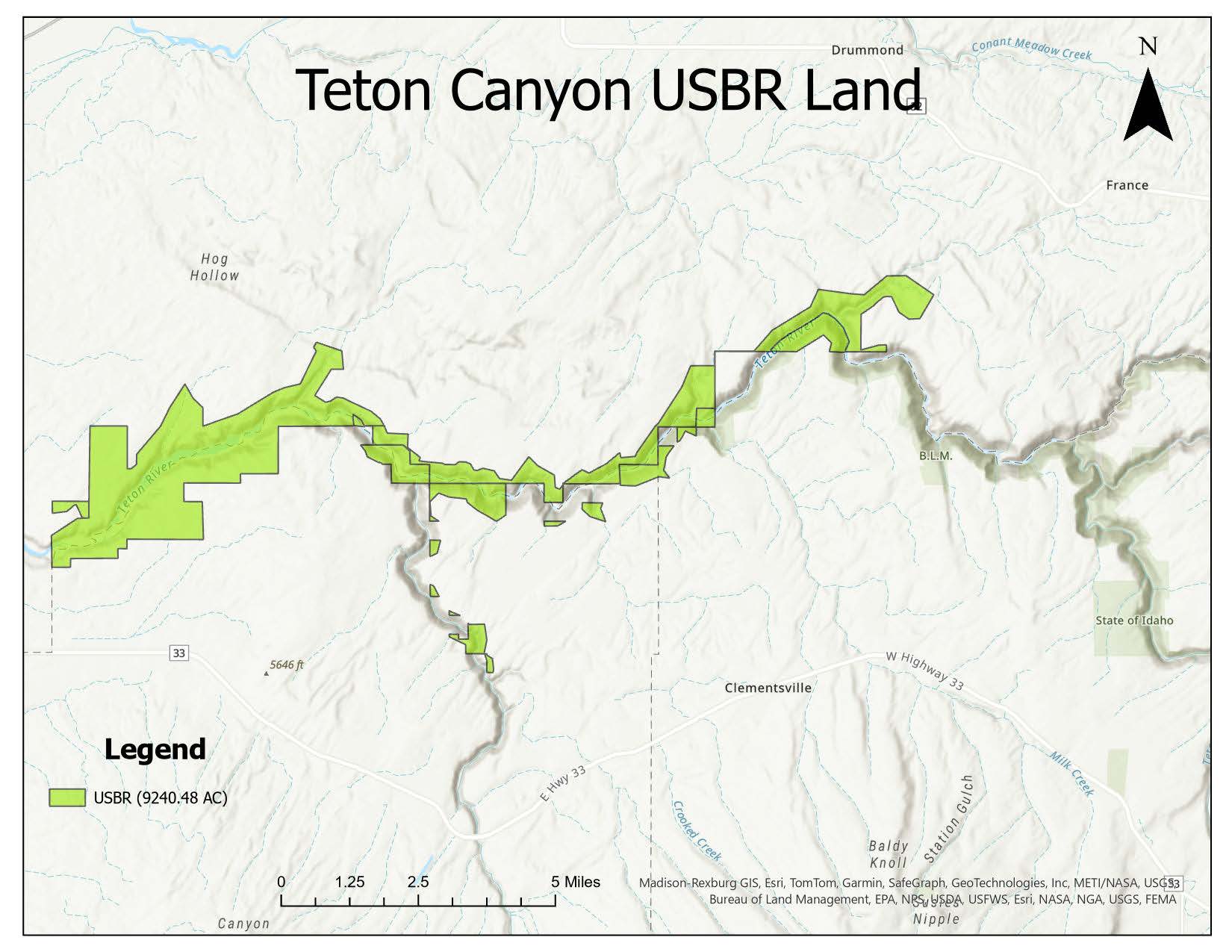
These seasonal closures remain a key component of a long-term conservation strategy designed to protect and enhance one of eastern Idaho's most important winter ranges for elk and mule deer.
The Teton Canyon Complex provides critical winter habitat for approximately 700 elk and 2,400 mule deer. During the winter months, these animals depend on the canyon's forage, cover, and security to survive the most challenging period of the year.
Why are seasonal motorized closures important?
The seasonal closure helps reduce disturbance from ATVs, UTVs, snowmobiles, and other motorized recreation during a time when elk and deer are especially vulnerable. Repeated disturbance can displace animals from the canyon, forcing them into nearby agricultural areas and communities where conflicts become more likely.
When elk leave the security of the canyon, they may move toward Sugar City, Newdale, Tetonia, and surrounding agricultural lands, increasing the potential for damage to haystacks, livestock feed, and ornamental vegetation. Displaced animals are also more likely to cross roadways, elevating the risk of wildlife-vehicle collisions along Highway 20 and other travel corridors.
In addition to the Bureau of Reclamation closures, private landowners continue to voluntarily limit winter motorized access on approximately 17,000 acres of adjacent private lands, creating a larger block of secure winter habitat for wildlife.
Habitat improvements continue to gain momentum
Protecting winter range is only part of the solution. Over the last several years, Fish and Game and its partners have worked to improve habitat conditions throughout the canyon to increase its ability to support wintering wildlife.
Most recently, volunteers joined Fish and Game staff and partners to implement a large-scale habitat improvement effort that resulted in the planting of hundreds of trees throughout the project area. These plantings build upon previous restoration work, including the establishment of tens of thousands of additional shrubs and ongoing efforts to improve forage, increase cover, and enhance overall habitat quality.
Additional habitat restoration projects are planned in coming years as Fish and Game and its partners continue investing in the long-term health and resilience of the Teton Canyon winter range.
Reducing the risk of chronic wasting disease
Since the winter of 2018-19, Fish and Game has used supplemental feeding to help keep a portion of the Teton Canyon elk herd away from highways and nearby cattle operations during periods when elk left the canyon.
While feeding helped address immediate management concerns, wildlife managers have increasingly focused on reducing artificial concentrations of elk whenever possible. Concentrated animals can increase the likelihood of disease transmission, including chronic wasting disease (CWD).
With CWD established in portions of Wyoming and now present in parts of Idaho, Fish and Game's long-term goal is to improve natural winter habitat conditions so elk can remain within the canyon without relying on supplemental feeding.
Looking ahead
The future of the Teton Canyon elk and mule deer herds depends on maintaining secure winter habitat and continuing investments in habitat restoration.
The Teton Canyon Complex represents the primary winter range available to these animals. If disturbance repeatedly pushes wildlife out of the canyon, the potential for agricultural conflict, vehicle collisions, feedlot interactions, and disease transmission increases significantly.
"Protecting winter habitat has become one of the most important tools we have for sustaining this herd into the future," said Upper Snake Regional Communications Manager James Brower. "The progress we've made through habitat restoration, volunteer support, cooperation from landowners, and seasonal travel restrictions is helping us move toward a future where elk can remain on natural winter range.”
Idaho Fish and Game thanks the Bureau of Reclamation, participating private landowners, volunteers, conservation partners, and local communities for their continued support of these efforts.
For more information about winter travel restrictions or habitat projects in the Teton Canyon Complex, contact the Upper Snake Region office at (208) 525-7290.