idfg-badge

Idaho Fish and Game

Hunter ed

Safe Hunting Starts Before the Shot

idfg-jbruns

Idaho Fish and Game reminds hunters that firearm safety applies throughout the entire hunt and beyond

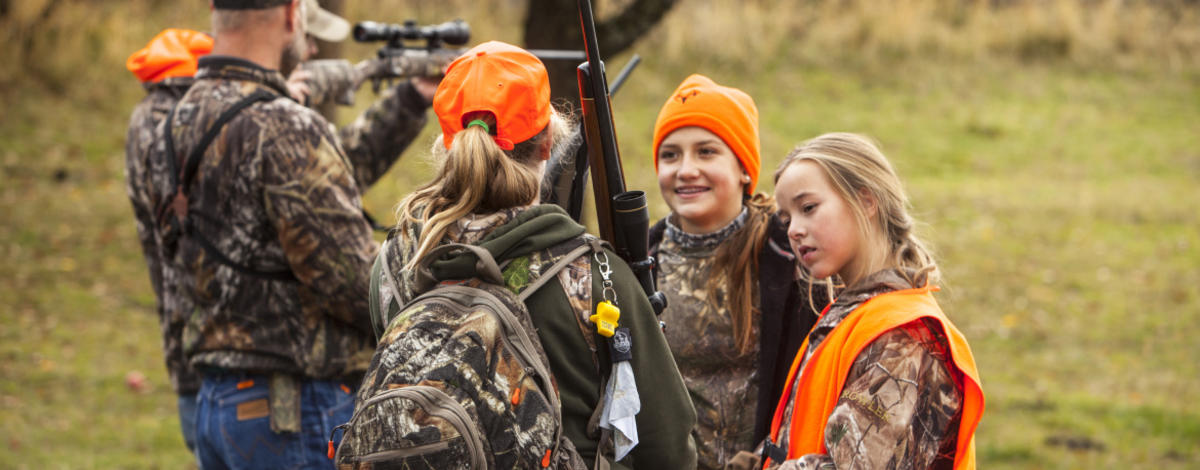
As Idaho’s hunting seasons get underway, Idaho Fish and Game is reminding hunters that firearm safety starts before the shot—and doesn’t end when the shooting stops. From handling and transporting firearms to unloading them at the end of the day, a few simple safety practices can help prevent serious injuries and keep hunters, their families and others safe.

Recently, a local landowner who allows hunters to access his property contacted Fish and Game about a concern he had observed several times: hunters attempting to cross barbed-wire fences while carrying loaded firearms.
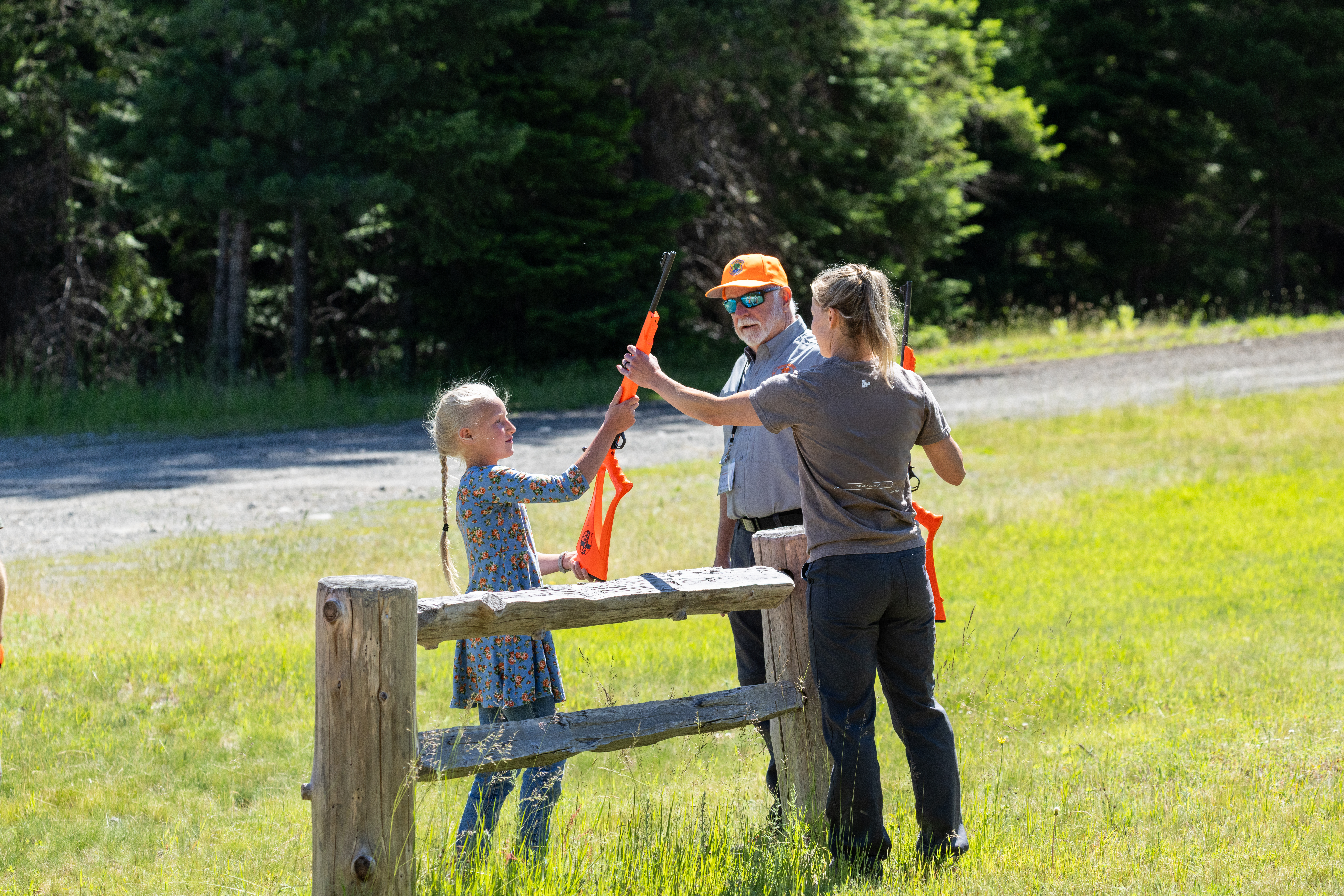
Hunter ed fence crossing

It’s a simple situation that can quickly become dangerous.

“Hunters spend a lot of time thinking about making a successful shot, but some of the most important safety decisions happen before and after the shot,” said Brenda Beckley, statewide hunter education coordinator for Idaho Fish and Game. “Taking a few extra seconds to unload a firearm before crossing a fence, entering a vehicle or moving through camp can prevent a serious firearm incident.”

Fish and Game reminds hunters to:

  • Treat every firearm as if it is loaded.
  • Keep the muzzle pointed in a safe direction at all times.
  • Keep firearms unloaded when traveling to and from hunting areas, vehicles or camp when not actively hunting.
  • Unload firearms before crossing fences, ditches or other obstacles.
  • Never climb over, crawl under or cross an obstacle with a loaded firearm.
  • Keep your finger outside the trigger guard until you are ready to shoot.
  • Unload firearms before entering or exiting a vehicle.
  • Make sure firearms are unloaded before posing for photographs or handling them for purposes other than actively hunting.
  • Know your target and what is beyond it before firing.
  • Communicate with hunting partners when navigating difficult terrain or handling firearms around camp or vehicles.
  • Speak up if you see unsafe firearm handling. A quick reminder from a hunting partner could help prevent a serious incident.

Hunters should also remember that Idaho’s firearm rules apply when they are not actively hunting. Any time hunters transition from hunting to another activity—such as traveling, setting up camp, taking a photo or getting into a vehicle—they should stop, unload the firearm and make sure it is in a safe condition.

Landowners who provide access to private property may also establish additional safety expectations. Taking the time to understand and follow those expectations helps protect hunters, landowners and everyone enjoying Idaho’s outdoors.

“Good firearm safety is about building habits,” Beckley said. “Slow down, think about what you’re doing and make sure your firearm is in a safe condition before you move. There’s no rush that is worth taking a chance with a loaded firearm.”

A successful hunt isn’t just about filling a tag. It’s about making safe decisions from the time you leave the vehicle until the time you return home. A successful hunt is one where everyone comes home safely.

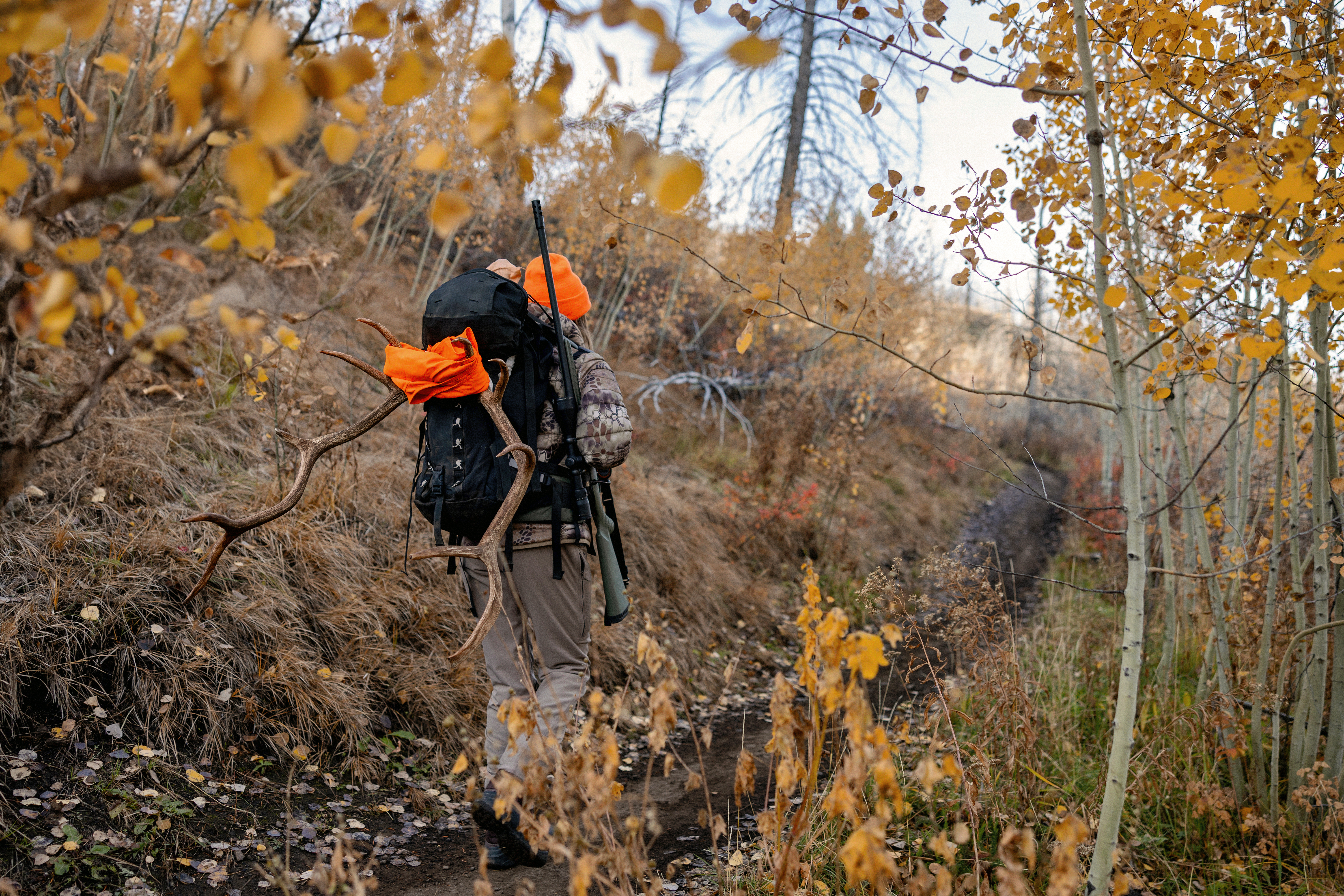
female hunter packing out bull elk in fall