Statewide winter survival for mule deer fawns and elk calves fitted with tracking collars has shown to be higher than average through the end of February.
“Right now (in mid-March) things are looking promising for both deer and elk,” Fish and Game’s Deer and Elk Coordinator Toby Boudreau said. “We’ll know for sure what survival will look like in the coming month and a half after we’ve tallied up the final numbers. But this is exactly what we were hoping for — back-to-back mild winters to help get herd numbers, specifically in southeast Idaho, back on track.”
A glimpse into winter survival
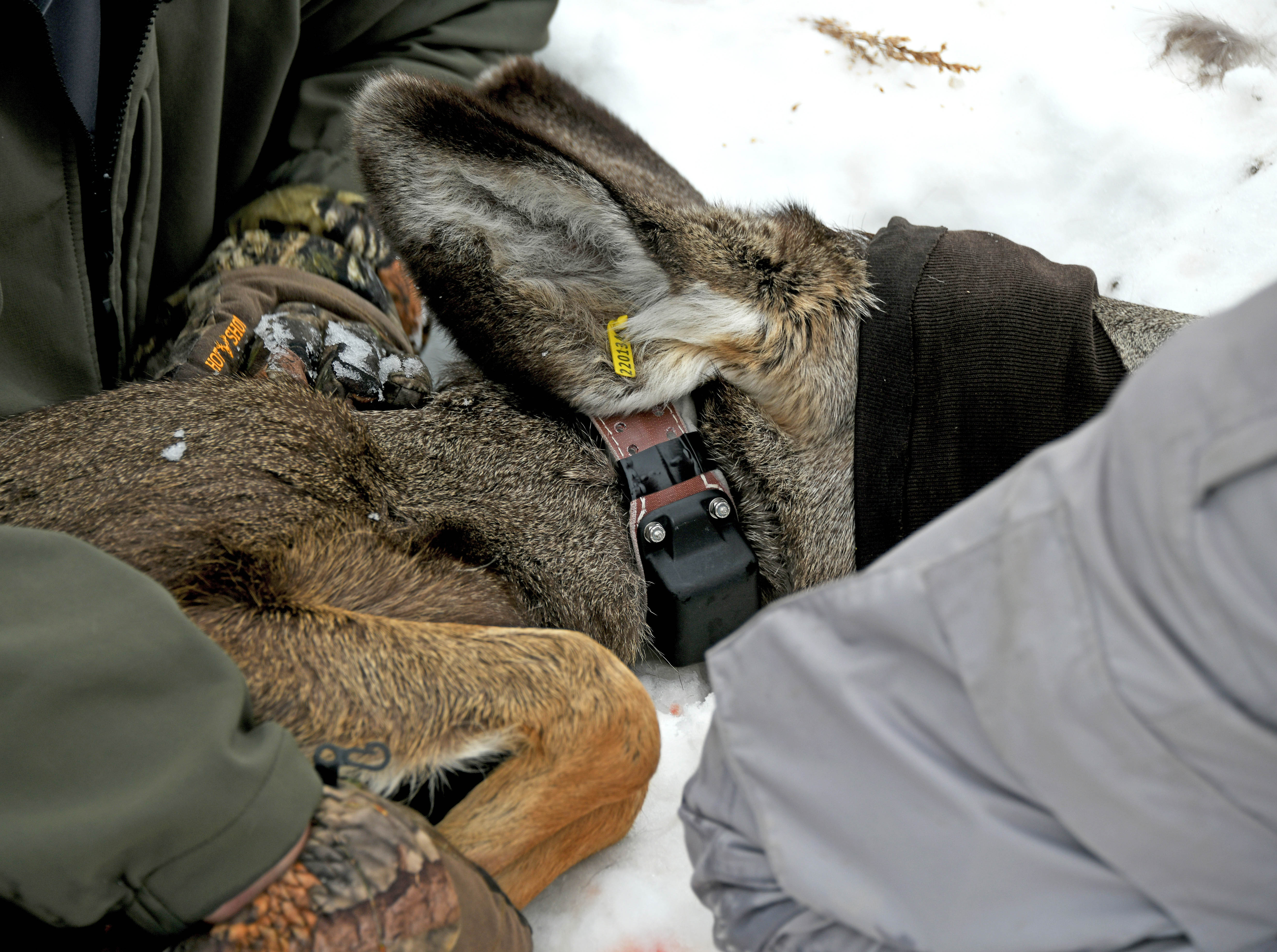
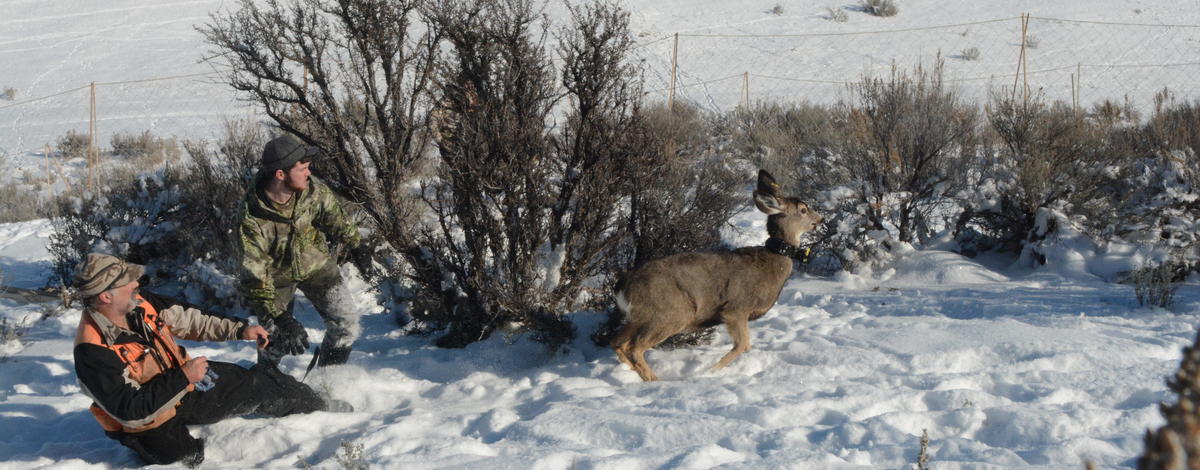
To monitor herds, Fish and Game biologists in early winter captured and collared 188 mule deer fawns and 75 elk calves across 14 different units to track their survival over winter.
Winter survival is typically the biggest single factor affecting mule deer herds, and the long-term average is about 60% of fawns surviving their first winter, but that percentage can drop significantly during hard winters.