
A prehistoric creature inhabits the Clearwater and Salmon River systems called the Pacific lamprey. These critters have lived in these waters for over 400 million years! This means that they were around before the age of dinosaurs.
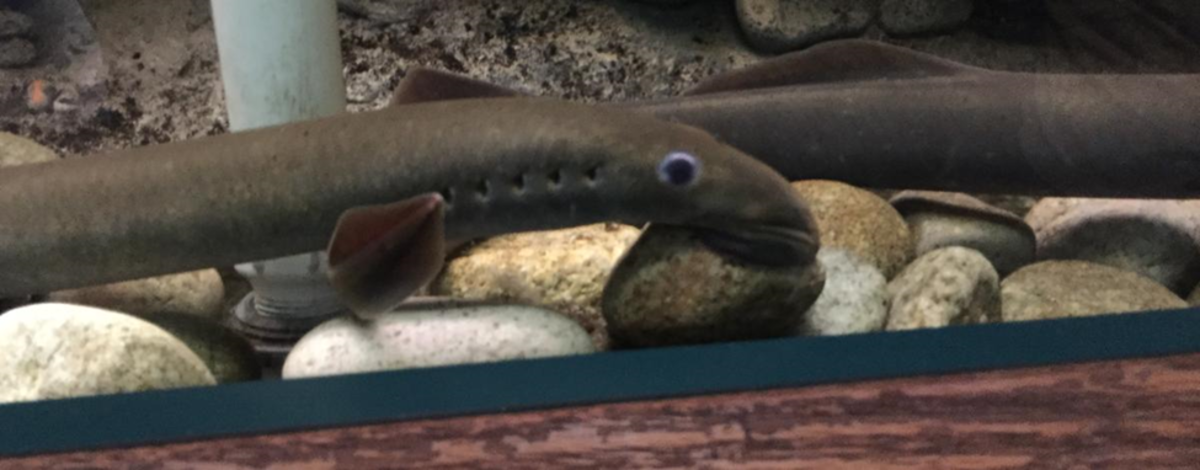
Meet Idaho's Pacific Lamprey
idfg-ethan.marklund
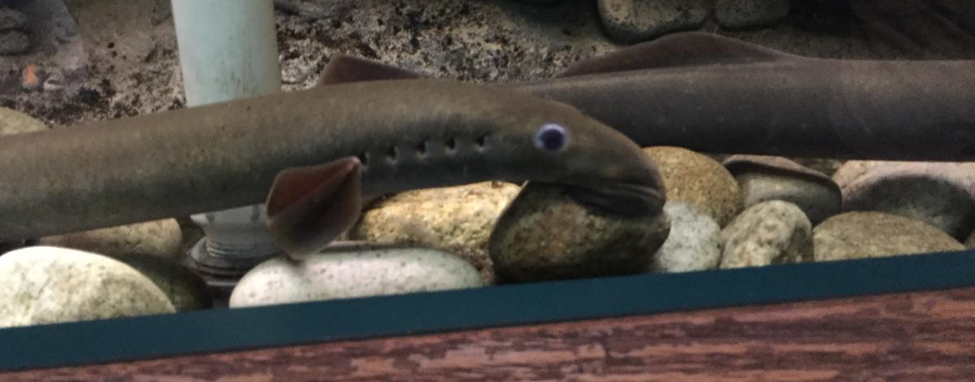
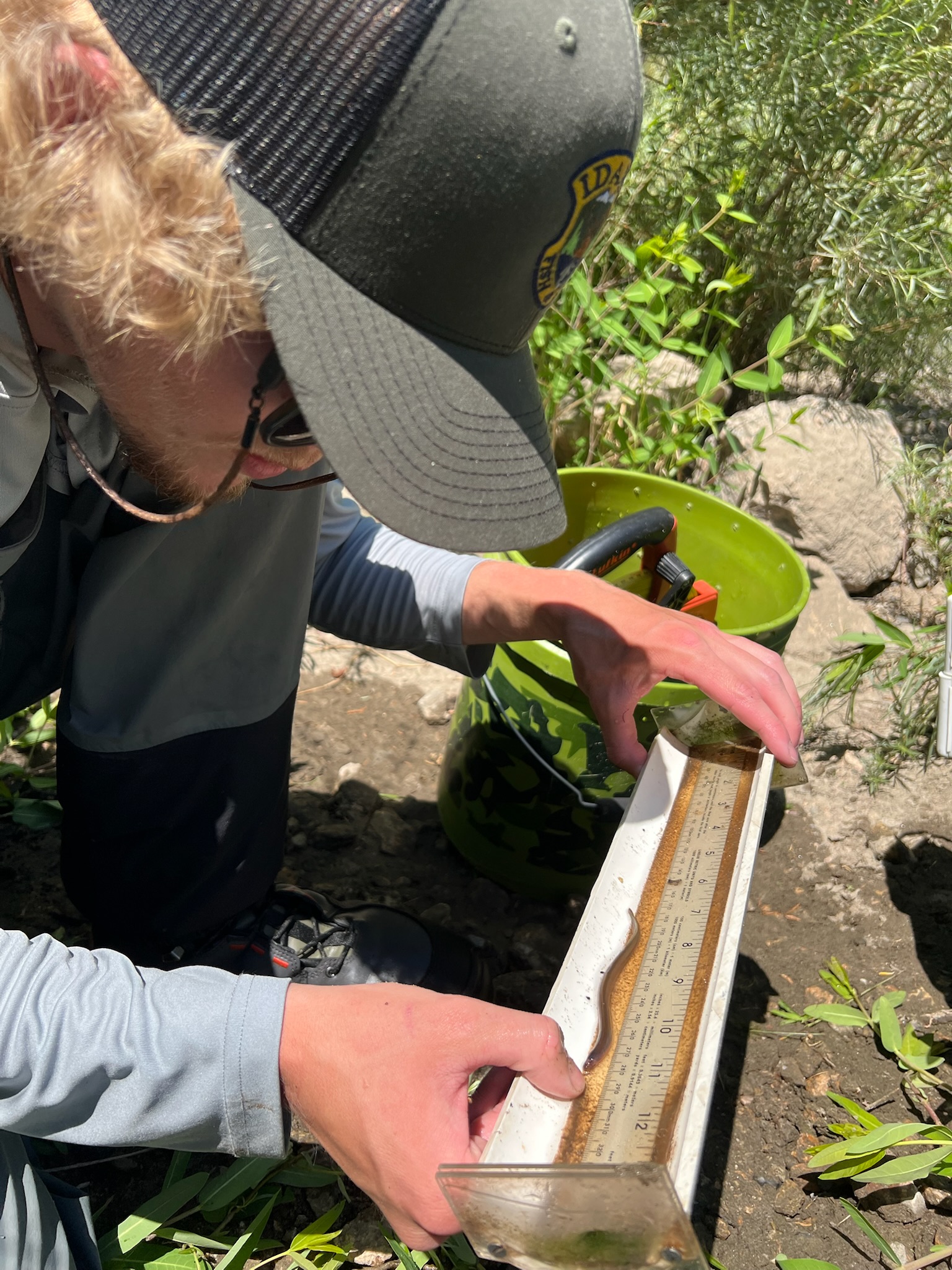
Pacific Lamprey have a fascinating life history somewhat like other anadromous fish such as salmon and steelhead. They begin their life in freshwater as tiny eggs with over 100,000 siblings from a single female. The eggs are then fertilized by a male Pacific Lamprey. This spawning process occurs in a redd, a nest in the gravel where female Pacific Lamprey lays eggs, like salmon and steelhead. Once the eggs hatch, thousands of tiny wormlike creatures emerge and begin their life by embedding themselves in fine sandy sediment up to 6 inches deep, where they stay for 3-7 years!
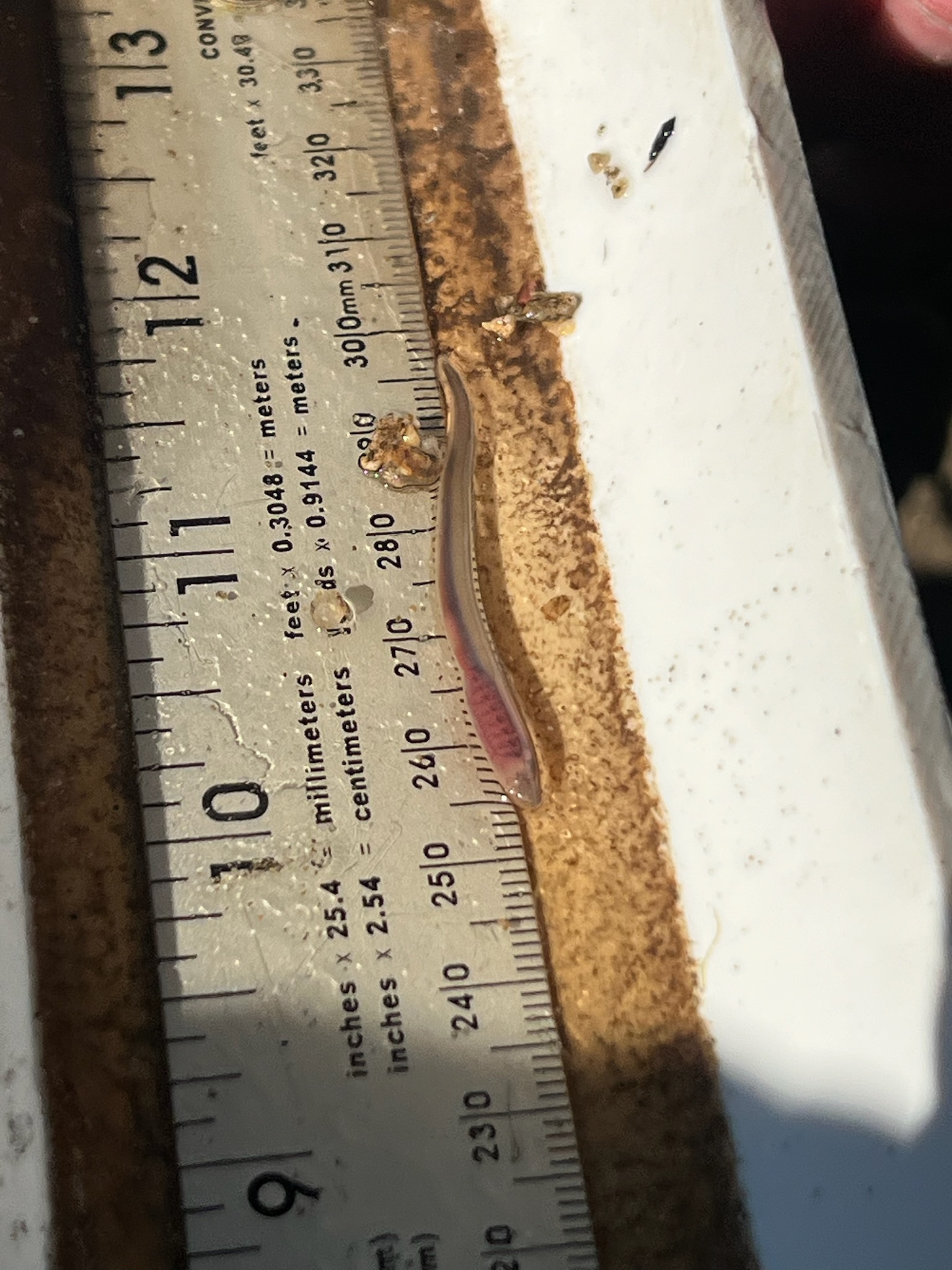
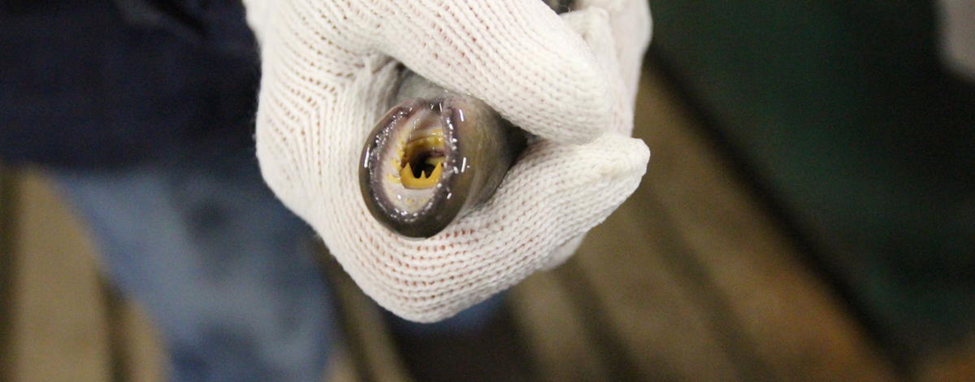
During their time embedded in the stream, they filter feed, similar to how mussels filter the water and feed on the particles within it. You can think of these little guys as part of the cleanup crews in our rivers. During this time, they are only a few inches long and lack eyes. Like salmon and steelhead, when they reach a certain size, they decide it is time to go to the ocean. Then they develop eyes and begin to form teeth. The total length of a Pacific Lamprey at this stage in development is typically 6 inches or longer. During this transformation, they completely change how they eat. Once they have reached the ocean, they begin a parasitic lifestyle. They attach themselves onto fish with their newly formed teeth and suck blood from their host. They typically stay in the ocean for 1 – 3 years before they head back to where their life started to spawn. When Pacific Lamprey return from the ocean, they range in size from a foot to a little over 2 feet in length. Like salmon, Pacific Lampreys do not eat while returning to their spawning ground. Pacific Lampreys have been seen to shrink 20% during their time in the rivers before spawning! Once they have completed spawning, they die just like salmon. Very little is truly known about Pacific Lamprey due to their elusive lifestyle. However, this doesn’t mean that they don’t play a vital role environmentally and culturally.
Pacific Lampreys play a crucial role to our environment, just like salmon and steelhead. When they return to the rivers to spawn, they bring nutrients back from the ocean and release them when they die. These nutrients are used by living organisms and increase productivity in the streams. Many of these organisms are sources of food for fish. Aquatic species are not the only ones benefiting from these nutrients. Terrestrial species eat Pacific Lamprey or other anadromous fish and spread their nutrients across the landscape through urine and feces. These nutrients can then be used by the plants along the landscape, which will help them grow.
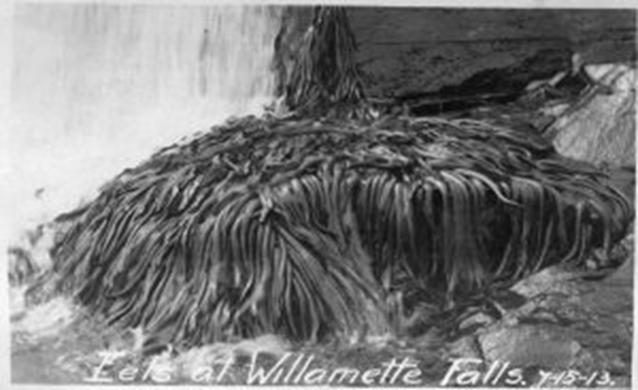
Pacific Lampreys play a huge part in the culture of Native American tribes. Pacific Lamprey were a major source of food for the Native tribes. Tribes from across the western United States would travel each year towards the Pacific coast to collect Pacific Lamprey to eat. They collected them along waterfalls and other rocky structures as Pacific Lamprey returned to the rivers. The tribes preserve the harvested Pacific Lamprey to eat throughout the year. The reason why Pacific Lamprey are so prized as a food source is because they are incredibly high in fats and protein. The oils from their bodies are even considered to have medicinal purposes.
Unfortunately, Pacific Lamprey numbers have declined along with salmon and steelhead since the installation of the dams on the Snake and Columbia River. Pacific Lamprey have a hard time using fish ladders at the dams. This is due to the fish ladders having 90° corners which lamprey cannot move around. Alternative fish ladders have been created for Pacific Lamprey passage. These ladders take advantage of their ability to climb using their suction cup mouths. In addition to these ladders, several Columbia River Basin tribes have been recently relocating Pacific Lamprey collected at dams to places upstream, including into Idaho. This will help keep our salmon and steelhead streams healthy and productive. Pacific Lamprey are an alternative food source for species that prey upon salmon and steelhead. If you like catching these fish, Pacific Lamprey are an incredible asset to you!