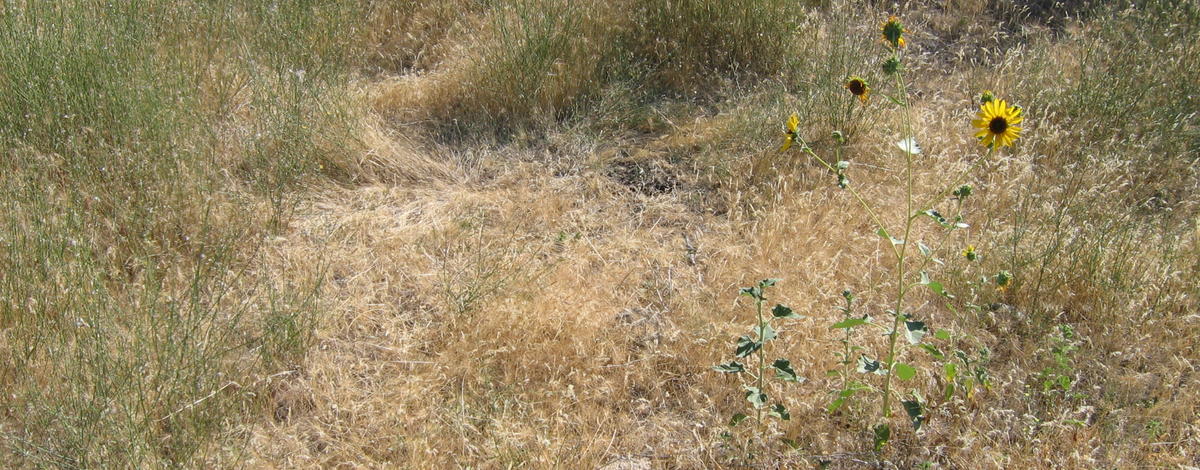
Those looking to recreate in the South Hills, Soldier, and Smoky Mountains in September may see a low-flying helicopter spraying pre-emergent herbicide on the hillsides in game management units 44, 48, and 54 to control the spread of invasive annual grasses, such a cheatgrass.
One of the most effective ways to control invasive grasses like cheatgrass is to apply herbicide at the right time.
Cheatgrass enters dormancy in late summer to early fall, just before the first autumn rains. The herbicide being used is a pre-germinate, and is ineffective once the seeds have germinated. Pre-emergent herbicides work best when rainfall occurs within a couple of weeks after application, allowing the product to soak into the soil. The ideal application window is from late August through early October.
The goal in applying herbicide to these areas is to stop the spread of invasive annual grasses, improve big game habitat, and reduce the risk of wildfire.
The spraying project is scheduled to begin the week of September 15 and continue through September 29. Treatments will be conducted on a day, or days where wind and weather conditions meet the required parameters for spraying treatments to occur. The helicopter used for the project can be distinguished by large sprayer booms extending from both sides of the body of the helicopter.
Areas to be treated will include a portion of the Willow Creek, Rock Creek, and Elk Creek drainages in game management units 44 and 48 as well as portions of the Trapper Creek drainage in game management unit 54. It is anticipated that treatment will occur for 2-3 days per location. In total, approximately 3,000 acres will be treated.
