The Idaho Department of Fish and Game stocks an eye-popping total of more than 30-million hatchery fish into Idaho waters each year. Stocking by the Department has been ongoing in one form or another for over a century. The number of species and strains can vary from year to year, but generally, stocking is primarily made up of 16 different species of trout and salmon. The Department uses all kinds of transportation to get fish to their final destination – including bikes, planes, and llamas.
It’s a bike! It’s a plane! It’s a… llama?...... carrying fish?
idfg-jvincent
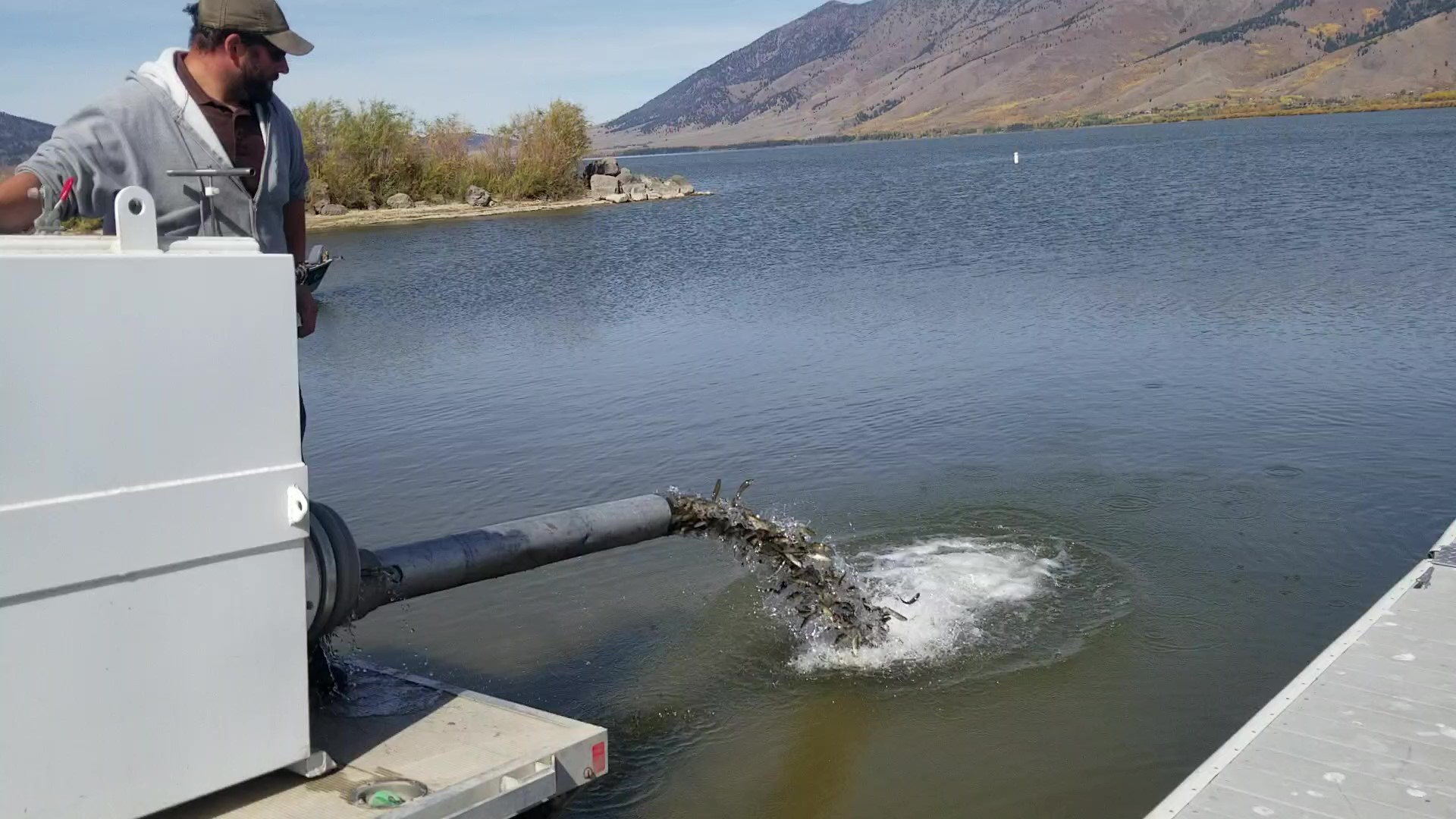
Typically, fish are stocked from hatchery vehicles ranging in size from pick-up trucks outfitted with small fish tanks all the way up to semi-trucks capable of transporting millions of fish at a time. Staff take into consideration road and trail access, trail use restrictions, past stocking records, the species, size, and number of fish planning to be stocked, time of year, weather conditions, personnel availability, and cost before deciding how and when to stock fish in each location. At locations where staff are unable to access the waterbody with a hatchery truck, we have a variety of alternative fish-stocking methods available.
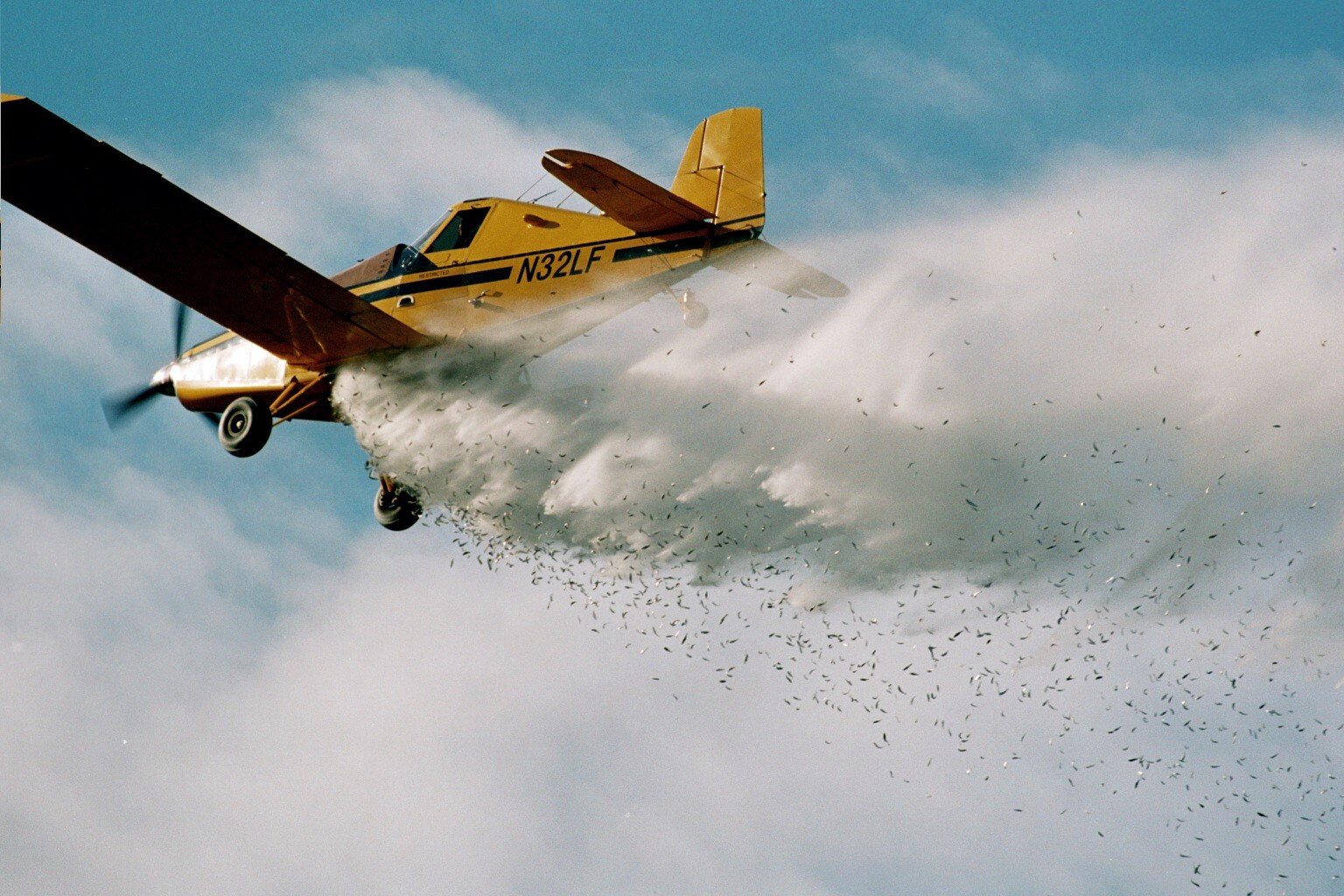
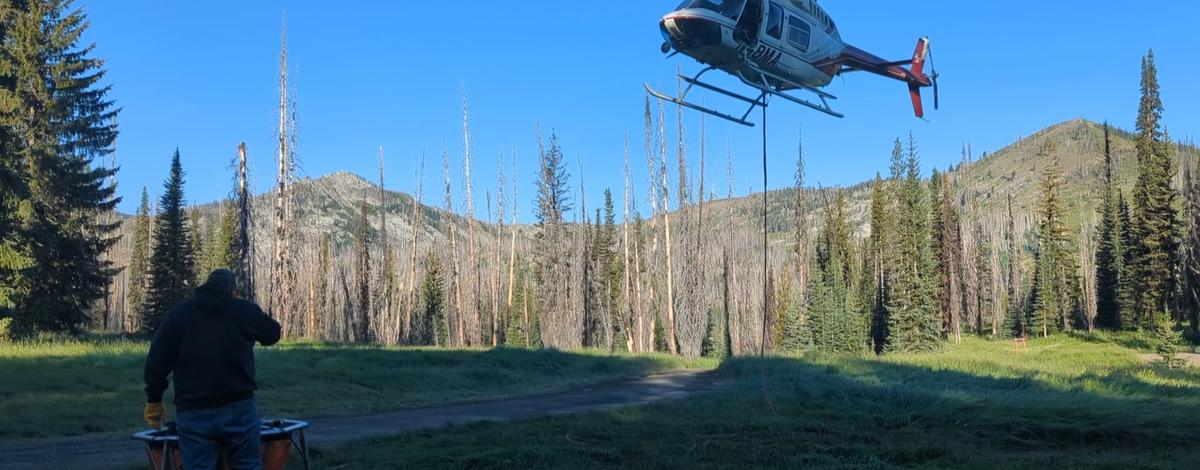
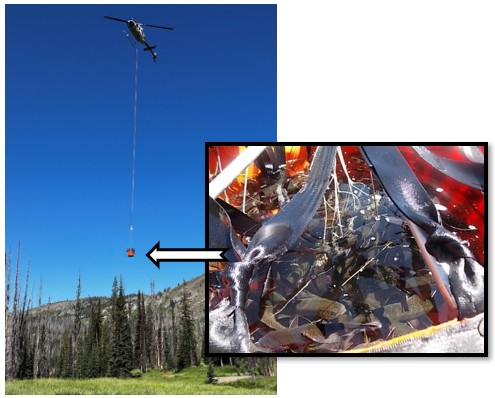
Since the 1940s, the Department has utilized fixed-wing aircraft to stock alpine lakes. As the pilot flies over the lake, a passenger in the plane releases fish with water out of the bottom of the plane. For remote lakes that are surrounded by challenging terrain including mountain ranges and trees, helicopters can be used. These helicopters are equipped with a specialized bucket that hangs below the helicopter from a cable, enabling the pilot to open and close the bottom of the bucket. This set-up allows the pilot to lower the bucket into the lake to collect water, fly to a landing site where staff can load the bucket with fish, and then return to the lake to release the fish by opening the bucket just above the water’s surface.
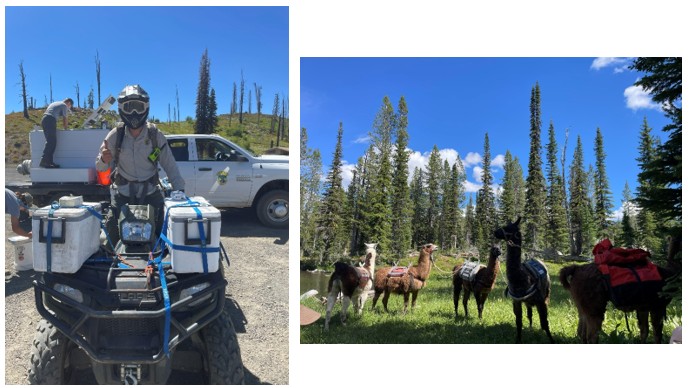
In certain situations, ATVs, bikes, backpacks, or even pack animals are used. Fish are loaded into coolers or buckets that are filled with water and equipped with portable aerators, or they are placed into bags full of oxygen and water. These fish are then driven or packed to their destination. It’s never a dull day when stocking fish in Idaho’s backcountry.
The stocking program is made possible by our committed hatchery personnel who spawn, rear, and stock fish year-round. Depending on the waterbody, fish are stocked as fertilized eggs, fry (0-3 inches), fingerling (3-6 inches), sub-catchable (6-10 inches), or catchable (greater than 10 inches) size. While some stocking efforts aim to support conservation and population restoration or research efforts, that vast majority is to provide you, the angler, with more recreational fishing opportunities.
Curious about the process? Here is a video of staff using a bike to stock fish into a mountain lake. https://www.youtube.com/watch?v=Ayq8vAtfcSw
The next time you embark on a fishing trip, you just might reel in an Idaho hatchery fish. Want to know if your favorite spot is stocked, or where your favorite species is being stocked? Head over to our website to view our historical stocking records and stay up-to-date on stocking forecasts and schedules.
Learn more about stocking and managing Idaho alpine lakes here: https://www.youtube.com/watch?v=W06AwVKPG9k