idfg-badge

Idaho Fish and Game

checkstation

Hunters asked to help with Chronic Wasting Disease testing in the Salmon Region

idfg-mdemick

Fish and Game need hunters' help to learn more about CWD to help keep big game herds healthy

Big game hunters are asked to help Idaho Fish and Game monitor for Chronic Wasting Disease (CWD) by providing samples from their harvested deer or elk. 

CWD is a contagious and always-fatal disease that affects mule deer, white-tailed deer, elk, caribou and moose.  There is no cure for this fatal disease.
CWD drop off sign

IDFG’s goal is to detect and minimize the spread of CWD to maintain healthy big game herds, which can’t be done without help from hunters. This fall, deer and elk hunters in Lemhi and Custer counties are asked to have their harvested animals tested a number of ways.     

Here’s how:     

  • Deer and elk heads can be brought to the Fish and Game Salmon Regional Office during business hours.
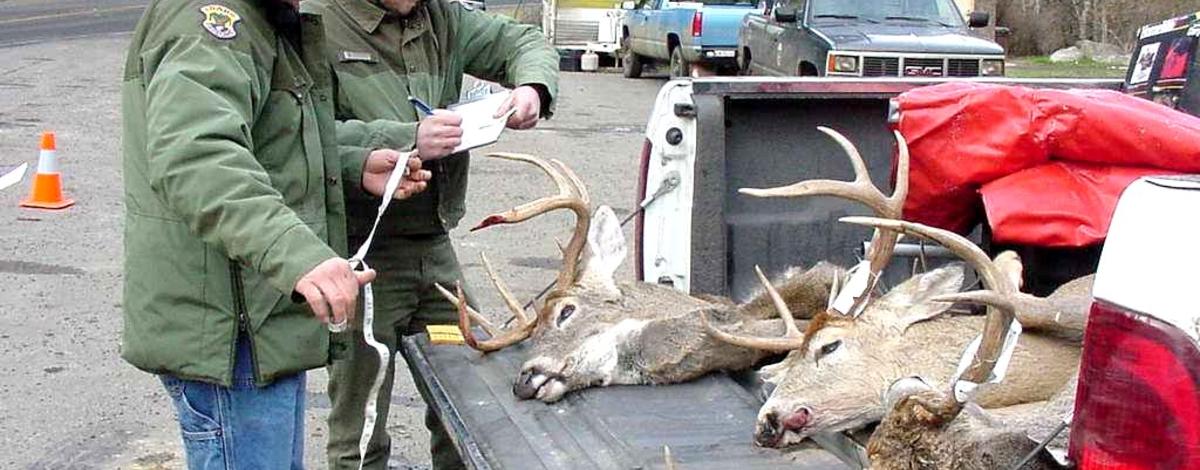
  • Visit a Big Game Check Station at Stephens Gulch near Challis or at the weigh station near Carmen beginning Oct. 11.
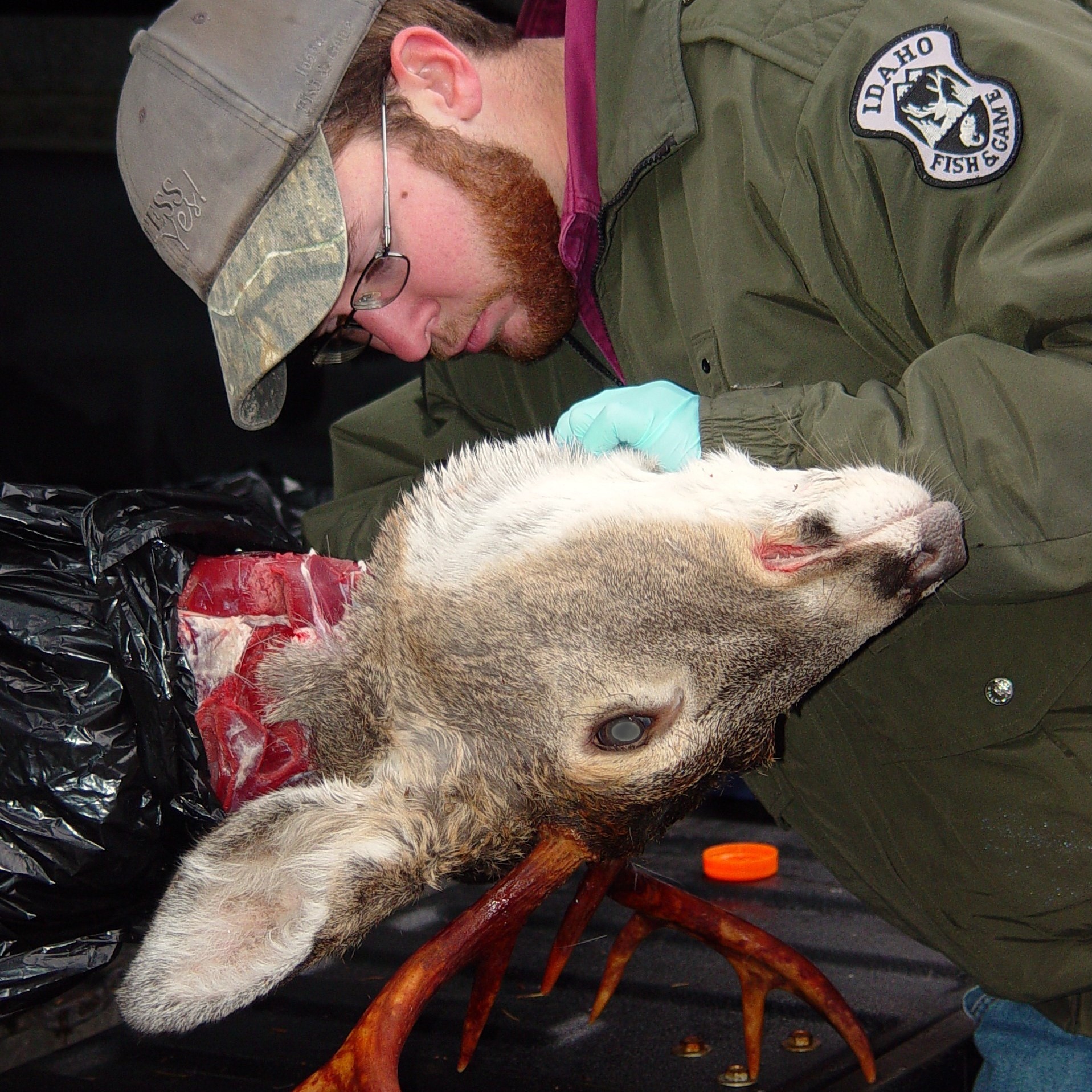
  • Hunters can request a CWD test sampling kit if they want to extract the lymph nodes themselves and have them tested. Fish and Game will provide the kit and testing is free. Hunters should allow at least a week for delivery of the sample kit.  How to remove lymph node instructions can be found on the Fish and Game website, as well as a how-to video.  Testing cannot be done using meat from the harvested animal.
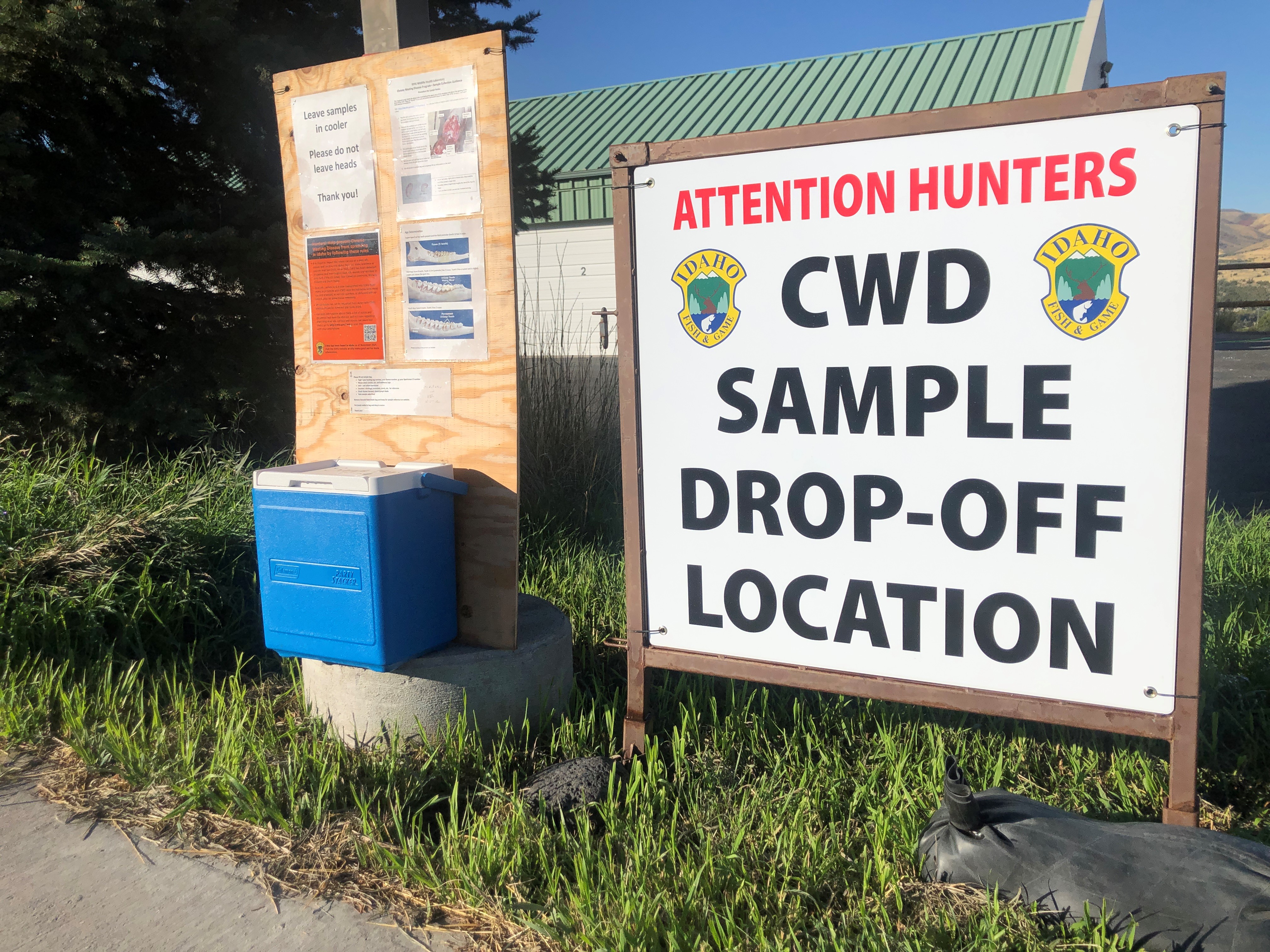
  • Hunters can drop their lymph node samples off 24 hours a day at designated sample collection sites including Fish and Game’s Salmon Regional Office, North Fork General Store, Leadore Stage Stop, Ellis Post Office, and Stanley Mountain Village (east-side parking lot).  Sampling kits and instructions are available at these sites.   

The CWD management priority is keeping the percentage of animals infected – or prevalence – low in deer herds. CWD can’t be eradicated because it remains in the environment for decades. Keeping the prevalence low will help maintain healthy big game populations.

CWD sample

“The ultimate goal is to slow, or prevent, the spread of CWD because it will negatively affect the deer populations and hunting opportunities,” Fish and Game’s State Wildlife Manager Rick Ward said. “We want to keep CWD out of units where it’s not present, but we can’t do that if we don’t know exactly where the disease is located.”

Some states with CWD in their deer and elk herds have documented long-term population declines and shifts in age structures leading to fewer mature bucks and bulls when the disease was left largely unmanaged.

According to the U.S. Centers for Disease Control and Prevention, there have been no reports of CWD infection in people. However, in the interest of safety, public health officials encourage people to not eat meat from animals that test positive for CWD, and hunters should follow health agencies' precautions and recommendations.

For more information, visit Fish and Game’s CWD in Idaho webpage or contact the Salmon Regional Office at (208) 756-2271.