idfg-badge

Idaho Fish and Game

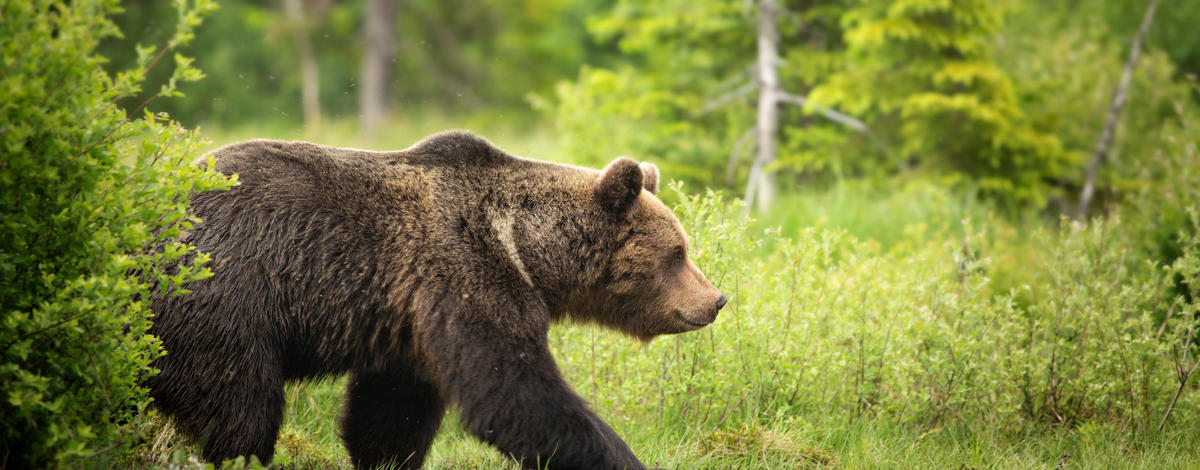
Grizzly Bear walking through green meadow

Fish and Game begins grizzly bear research trapping in the northern Panhandle Region

idfg-tjross

It is extremely important that the public respect warning signs and not enter posted areas

As part of ongoing efforts to monitor the population of grizzly bears in the Selkirk and Cabinet/Yaak Ecosystems, biologists from Idaho Fish and Game have begun research trapping of grizzly bears in the Panhandle Region. Trapping will occur in Boundary County and potentially in portions of Bonner County, the two northernmost counties of the Idaho Panhandle. Research trapping operations will conclude near the end of August. 

Captured bears are immobilized and handled in accordance with strict protocols developed by the United States Fish and Wildlife Service and the Interagency Grizzly Bear Study Team. Bears that meet the study criteria are fitted with a radio collar for monitoring. By observing radio-collared females, biologists can document the age of first reproduction, average litter size, cub and yearling survival and how often females produce a litter. Data collected from both sexes provides the estimated survival rate, age structure, causes of mortality and a better understanding of habitat use and food habits.
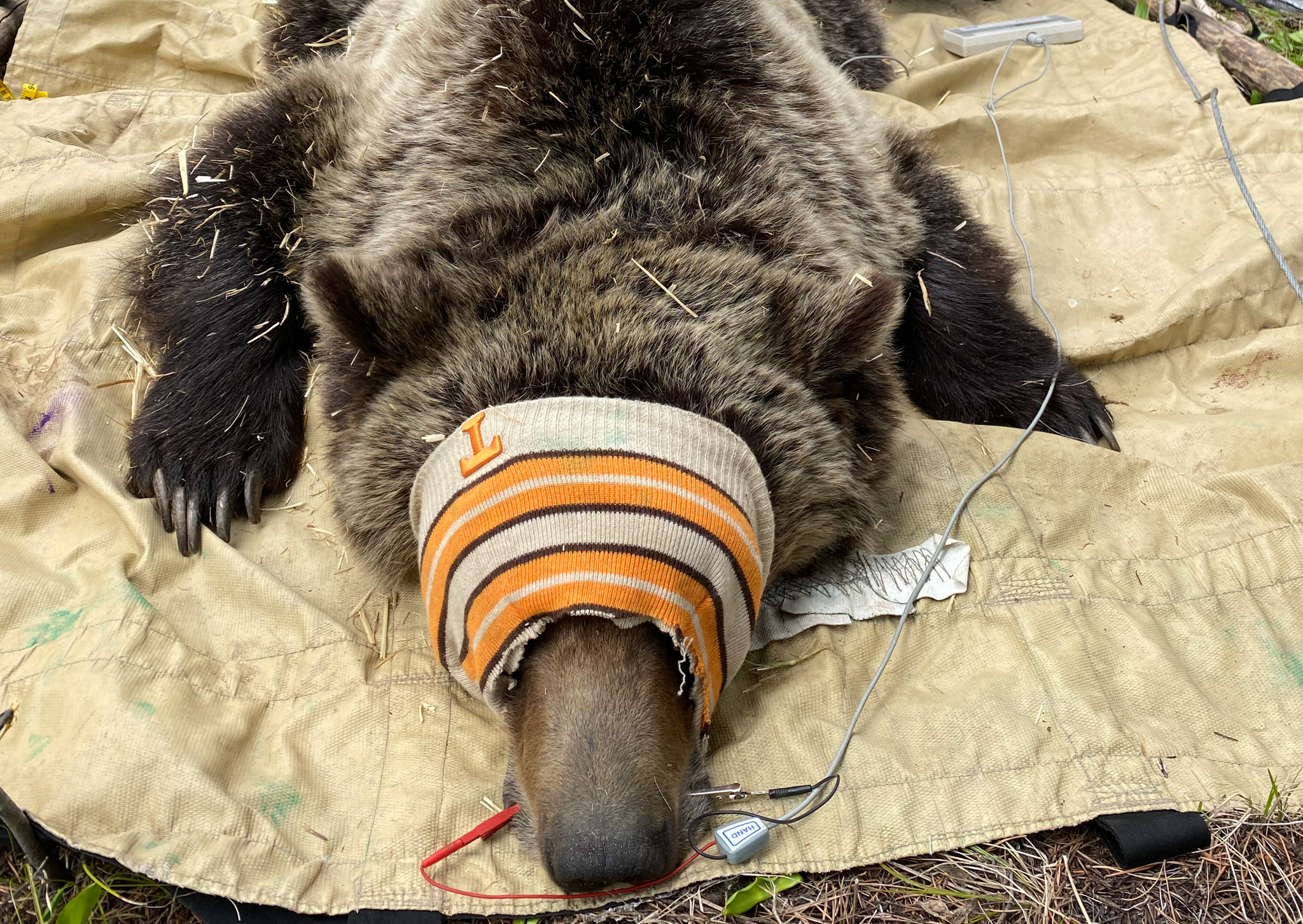
Sow grizzly

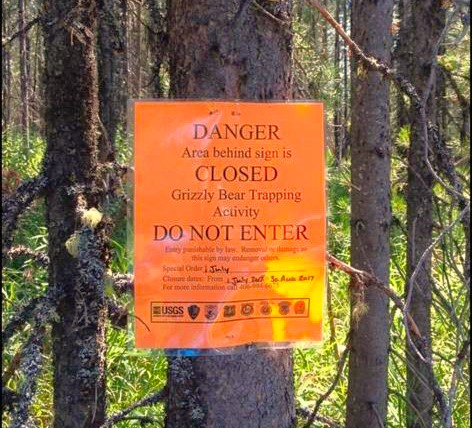
Whenever bear capture activities are being conducted for scientific purposes, the area around the site will be posted with bright warning signs to inform the public of the activities occurring. These signs are posted along the major access points and the capture site's perimeter. It is extremely important for their own safety that the public heed these signs and not venture into posted areas. 

Do Not Enter sign tacked to a tree in the forest

Information about the grizzly bear research and monitoring is available from the IGBST website: https://www.usgs.gov/science/interagency-grizzly-bear-study-team, the Fish and Game website: Grizzly Bear Conservation and Management | Idaho Fish and Game, or by calling the Panhandle Regional Office at 208-169-1414.