idfg-badge

Idaho Fish and Game

moose_asa_4_cropped

Careful…that may not be the trophy bull you think it is

idfg-cliess

Taking a shot on that suspiciously still bull might seem tempting, but it could also be a very costly mistake.

You pull the binoculars up to your eyes and, lo and behold, that blurry brown object just off the side of the road appears to be a moose. And not just any moose— a very respectable bull. Or so it seems.

Taking a shot on that suspiciously still bull might seem tempting, but it could also be a very costly mistake that causes you to lose your money and your hunting license.

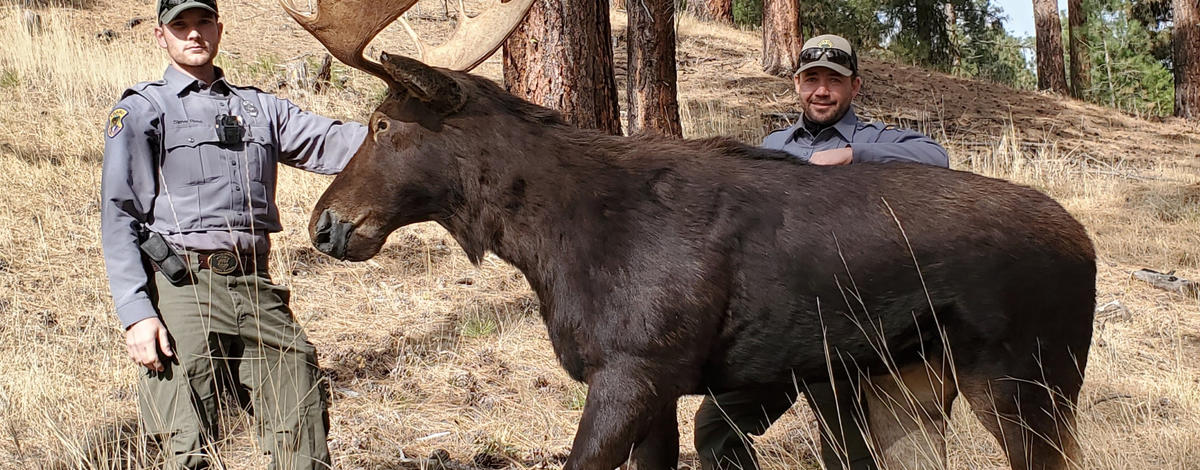
Idaho Fish and Game conservation officers deploy “artificial simulated animals” during hunting season to catch law-breaking hunters. Commonly called ASAs, they are lifelike copies of deer, elk, and other game species that look and act like the real thing.
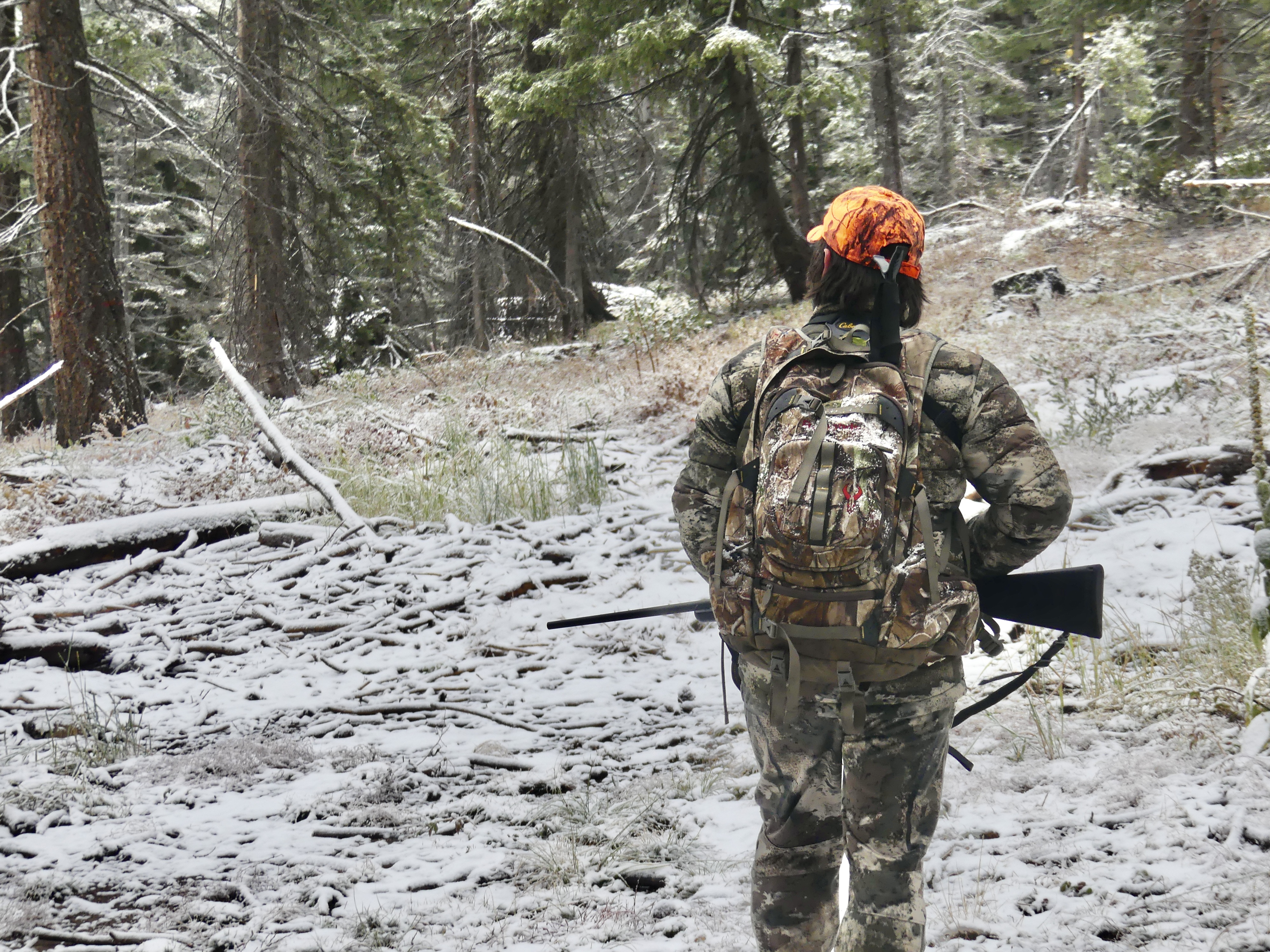
Fall big game hunting.

“Officers watch the animal and respond if someone violates the law,” said Joey Ishida, Fish and Game Acting Chief of Enforcement. “This tool is extremely important in our effort to curtail illegal activity that is otherwise undetectable.”

Simulated animals are used to address complaints of spotlighting, trespassing, and road hunting. 

“This is similar to other law enforcement agencies watching an intersection based on reports of frequent instances of failing to stop at a stop sign, or monitoring speed compliance using radar,” Ishida said. 

Anyone found guilty of shooting an artificial animal may lose his or her hunting license, face a fine up to $1,000, and serve a possible six months in jail. Shooters will pay a $50 restitution penalty to help maintain the decoys.

Violations that sometimes accompany this activity include shooting from a road, trespassing, shooting from a motorized vehicle, and more. These unlawful activities generate the highest numbers of complaints from other hunters and non-hunting citizens. Due to the unique circumstances required to detect these violations using routine patrols, most states and Canadian provinces started using ASAs in the late 1980s.