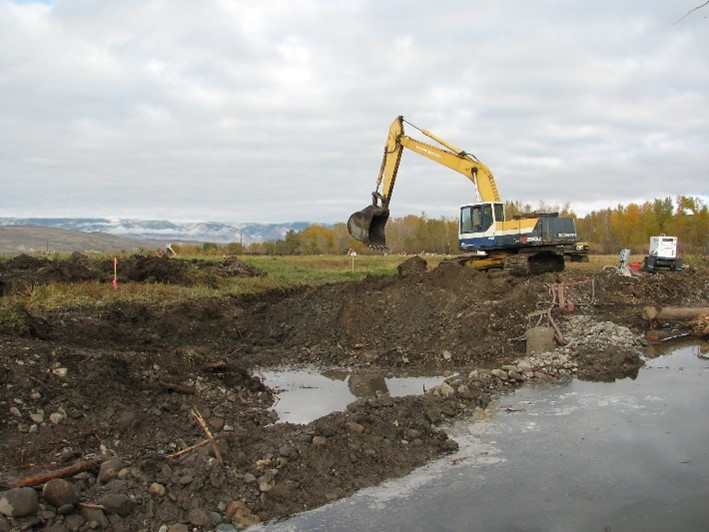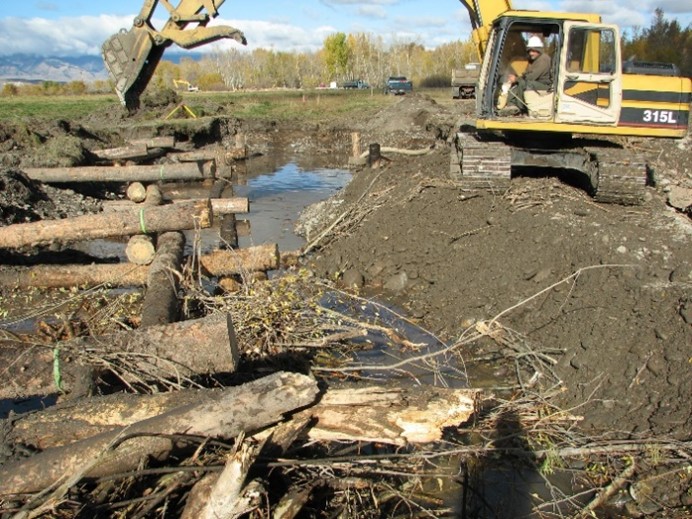
The Lemhi River in Salmon, Idaho was once full of ideal spawning and rearing habitat for endangered Chinook salmon and wild summer steelhead. However, decades of human development have washed away the natural complexities that once supported robust populations of these now-endangered species. The Idaho Department of Fish and Game (IDFG) is actively restoring altered sections of river to bring them back to a more natural state.
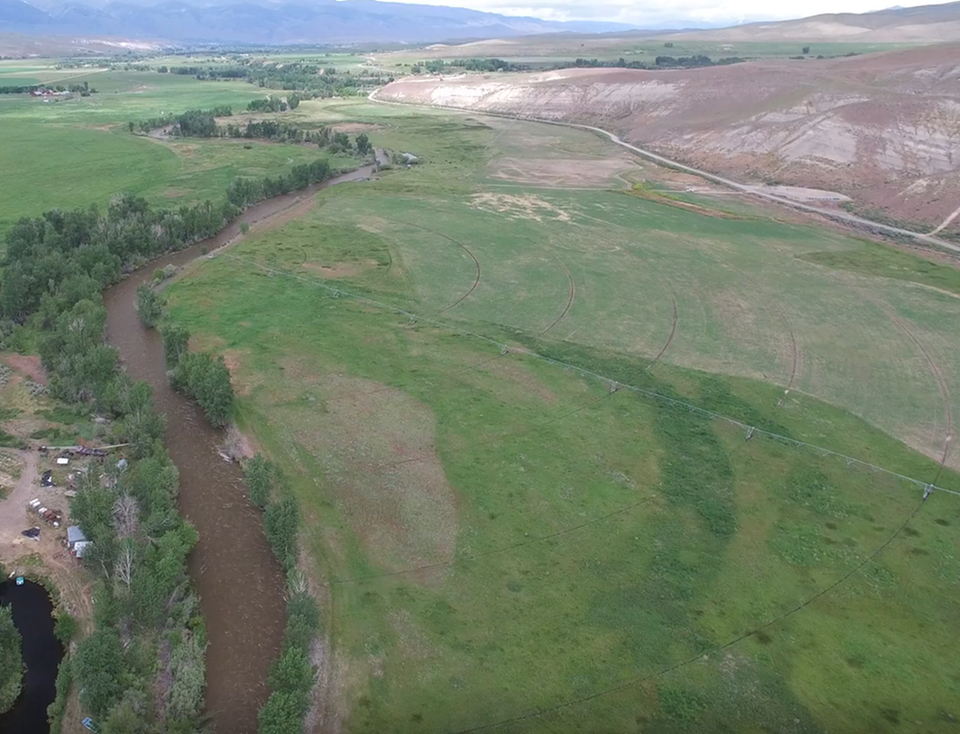
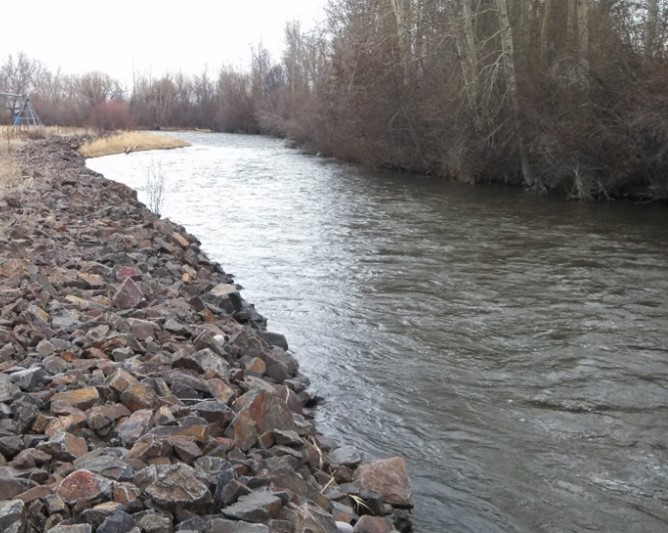
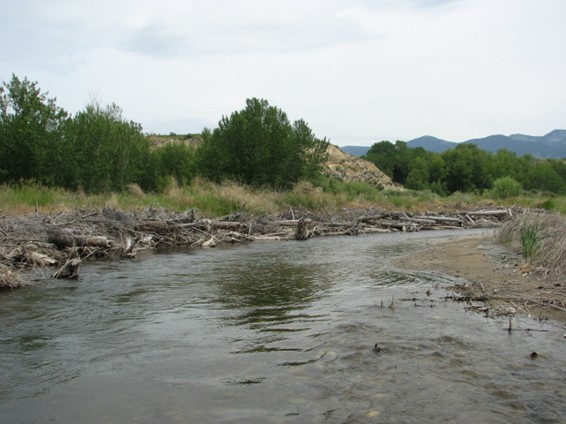
In 1952, a stretch of the Lemhi River was straightened to avoid building bridges for a highway. At the time this seemed efficient. Unfortunately, we have since figured out that a straight river acts like a high-speed water slide, washing away the gravel, woody debris, and calm backwaters that salmon and steelhead need to spawn and raise their young.
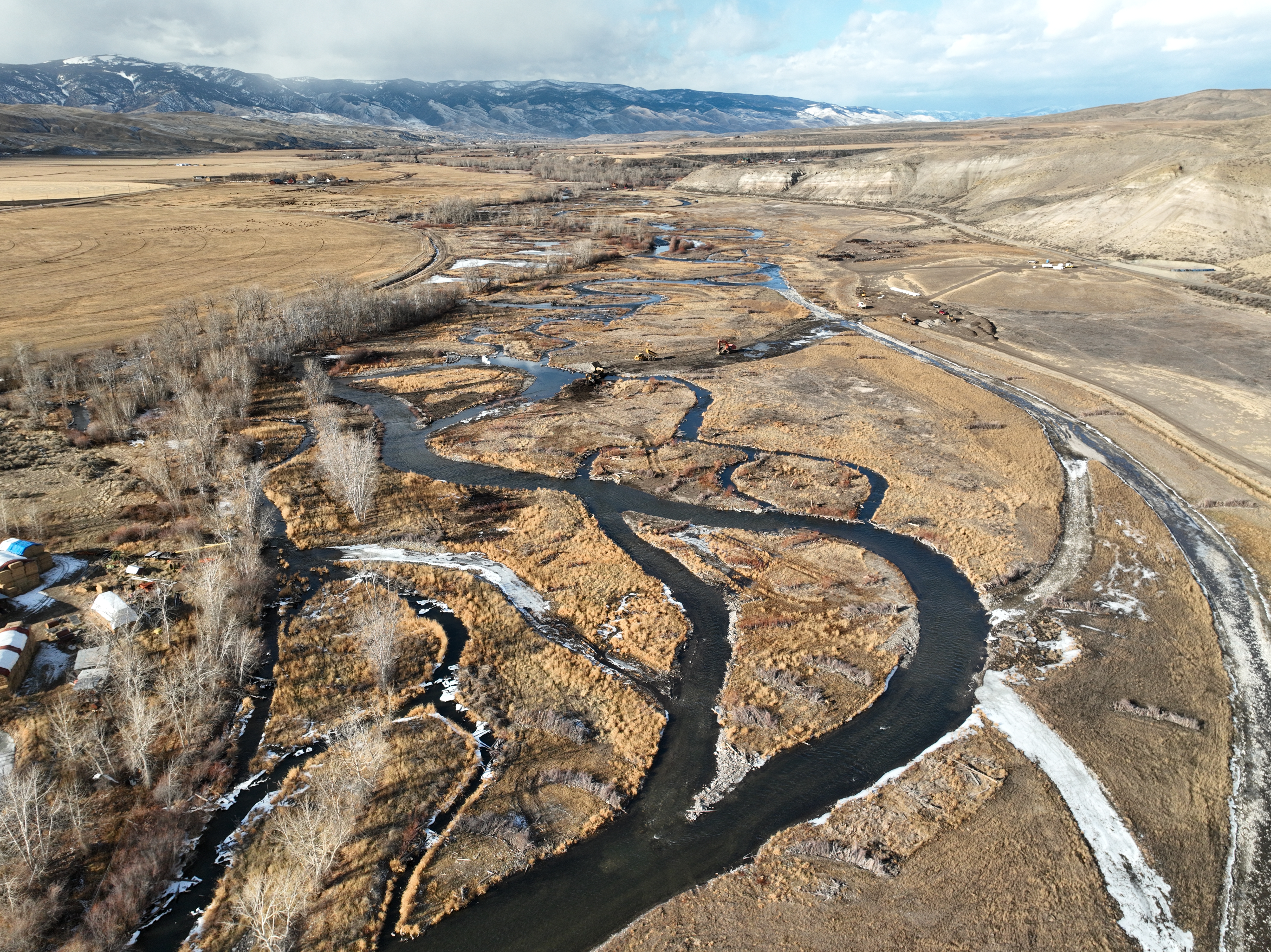
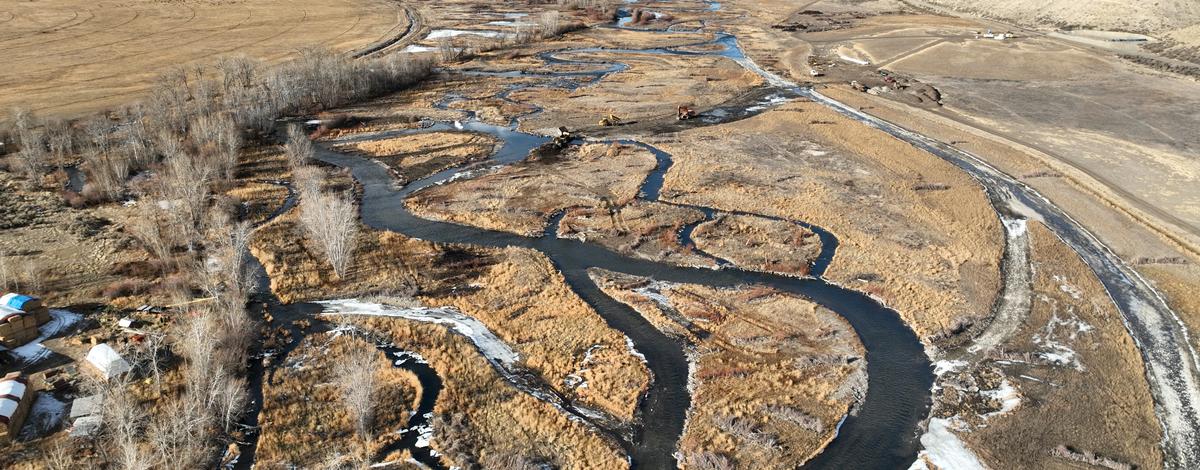
Healthy rivers are messy. They meander, split into multiple channels, and include a mix of calm pools, turbulent riffles, and deep pockets. The hope is that restoring these natural features will help increase the Lemhi’s capacity to support young salmon and steelhead.
The before-and-after photos below show one of many restoration projects underway in the Lemhi River basin. In the “after” photo, you can see how a single channel has transformed into a dynamic system with side channels, backwaters, and a variety of flows.