idfg-badge

Idaho Fish and Game

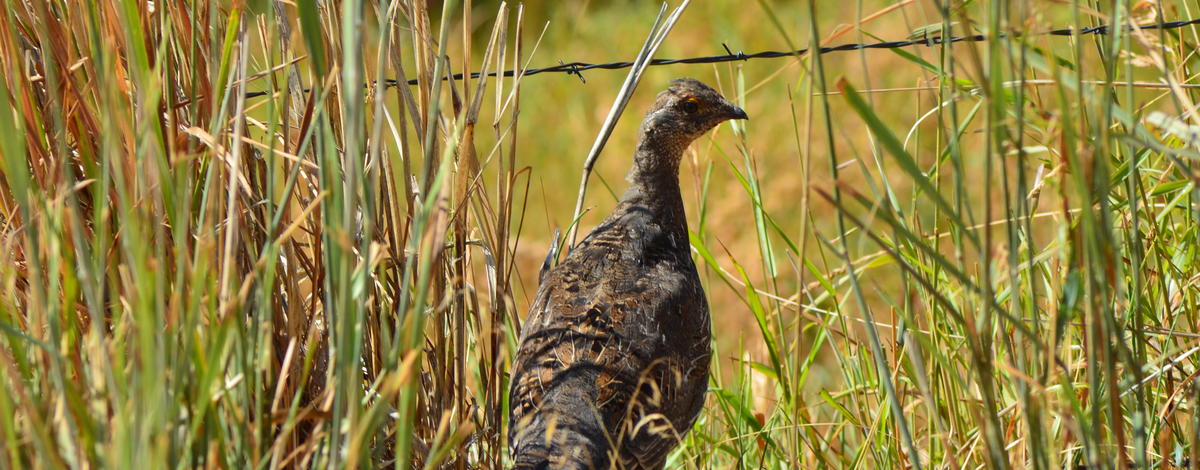
grouse in grass by a barbed wire fence August 2013

2026 Upland Game Bird Forecast

idfg-cliess

Co-authored by Upland Game and Migratory Gamebird Coordinator Jeff Knetter & Public Information Specialist Connor Jay Liess

Idaho, with one of the most rugged landscapes in the union, offers a ton of upland game bird hunting opportunities. Whether you find yourself in the high-mountain timber or the lowland-sagebrush steppe, there’s a good chance you’re in upland bird country.

Upland game birds are sensitive to environmental factors — like temperature and precipitation — and can substantially vary in number from year to year. Oftentimes these can be very localized, so hunters may not see the same impact in other parts of the state.

Because of this, it’s difficult to provide a forecast across the board; however, Idaho Fish and Game Upland Game and Migratory Game Bird Coordinator Jeff Knetter says this year’s widespread drought conditions will probably be a detriment to upland game bird populations this fall. 

“Hunting can vary widely across the state, given Idaho is extremely diverse geographically speaking,” Knetter said. “However, given the weather over the last seven months or so, I think production will likely be down this year, especially in the southern portion of the state.”
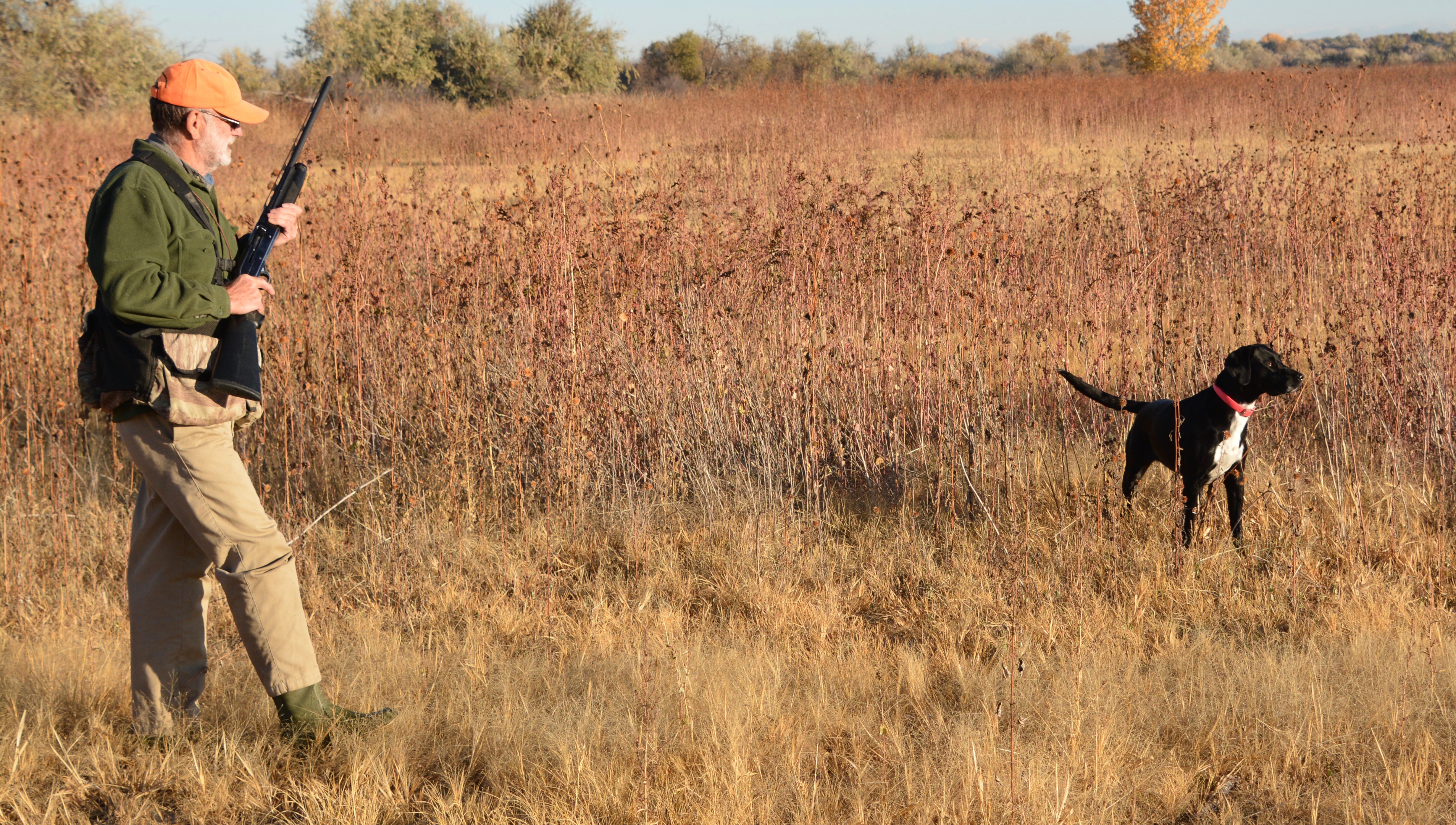
dsc_6789

Coming into the nesting season, weather conditions were similar to the warm and dry conditions experienced in 2025 across much of Idaho. The only exception was the Clearwater Region which had above-normal precipitation. Because of drought conditions, birds will likely concentrate around water sources, particularly early in the season. 

There's still ample opportunity for upland hunters to pursue a wide variety of birds across diverse landscapes, and upland birds in some areas will have fared better than others depending on localized conditions.

Regional Forecasts

To provide an idea of what's available this hunting season, Fish and Game's wildlife biologists in each region compiled an overview of upland game birds in their necks of the woods so hunters can get a look at their favorite areas and quarry.

Panhandle Region

After a mild winter, early spring brought some moisture to the Panhandle, but conditions dried out quickly and remained hot and dry through the summer. Despite the warm and exceptionally dry conditions experienced throughout the spring and summer, upland game bird populations appear to be relatively stable across the region. 

Pheasant, gray partridge (huns), and quail remain uncommon and are largely restricted to the southern portions of the region.

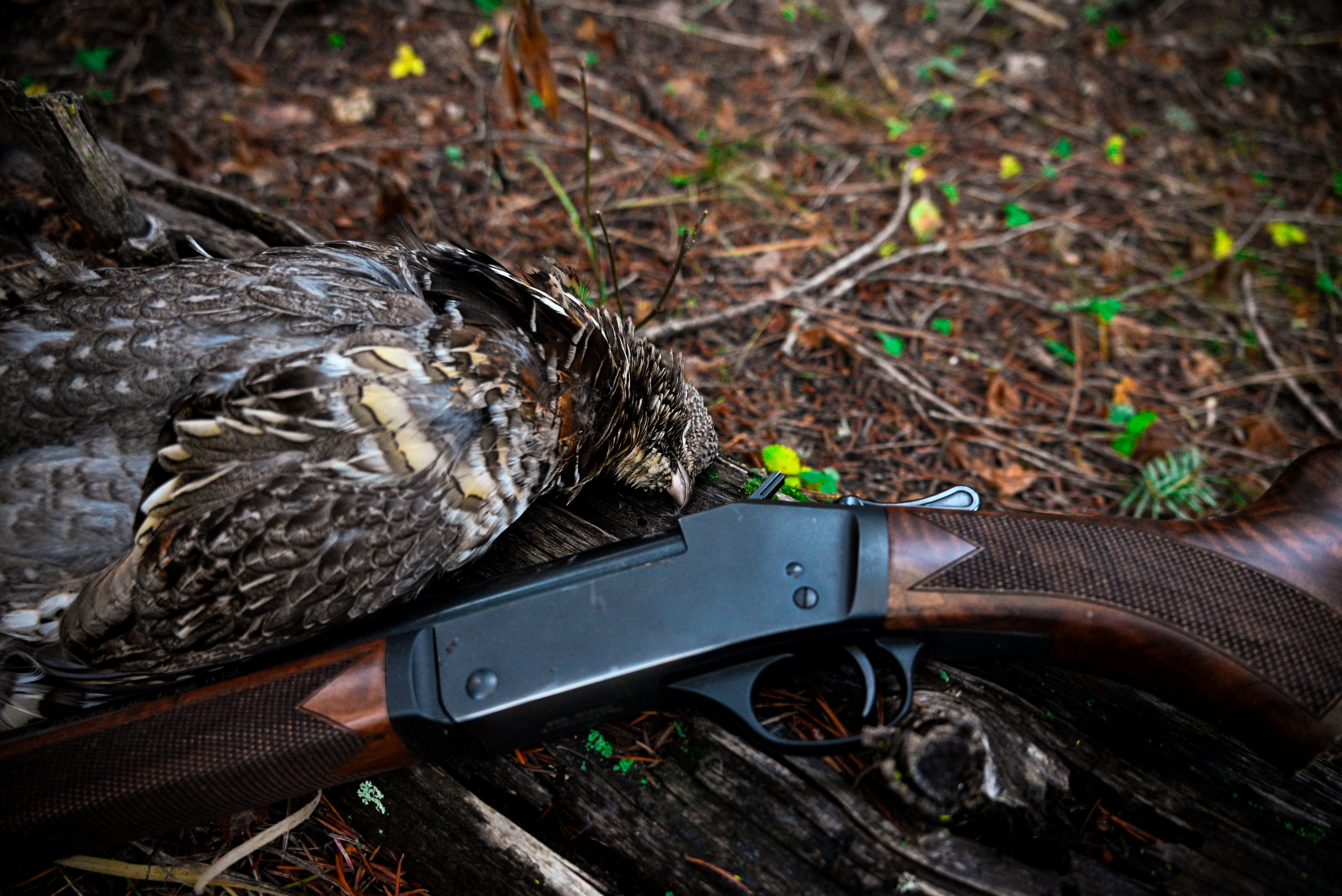
ruffed grouse next to shotgun upland hunting

Clearwater Region

Upland game bird conditions across the Clearwater Region are looking favorable heading into the season. Mild winter conditions likely improved overwinter survival and resulted in good carryover populations. Spring moisture provided favorable nesting and brood-rearing conditions throughout the region. 

However, a hot, dry summer may have reduced recruitment for some species, including forest grouse, pheasants, and gray partridge. In contrast, biologists have observed good numbers of quail throughout the spring and summer, particularly in shelterbelts and brushy thickets near agricultural fields. Overall, upland bird populations remain stable and should provide hunters with good opportunities this season.

Chukar continue to show the most promise. Biologists have observed strong chick survival, large broods, and robust populations throughout the Salmon and Snake river drainages, with particularly encouraging numbers in Hells Canyon. These conditions point to an excellent chukar season this fall.

With drought conditions persisting, hunters should focus their efforts around dependable water sources and areas with abundant food. Overall, hunters can look forward to a solid upland game bird season across the Clearwater Region, with chukar offering some of the best hunting opportunities this fall.

Southwest Region

Overall, 2025 was a slow year for upland bird harvest in the Southwest Region, primarily due to a dry spring and summer.  Hunters turned in about 33% fewer wings at wing barrels than in 2024.   Drought conditions have persisted in 2026, and will likely continue to affect upland bird availability. 

Fish and Game field staff are finding quail in good numbers across the region, though a fair share of pairs came through the summer without raising a brood, and the broods that did make it are on the small side. Staff are turning up young quail, and some young chukar and sage-grouse in pockets, despite the dry conditions. 

As you travel further north in the region, folks may also experience fewer broods for chukars, gray partridge, and quail; however, the broods that were observed have been large. Ruffed and dusky grouse are showing up where you would expect them, but in small broods, as they are in habitat that is less sensitive to drought conditions. Insects have held up well through the summer, which is important for those growing chicks. The region expects similar conditions for dove hunters as last year but will likely vary around the region based on timing of harvest of small grain fields.

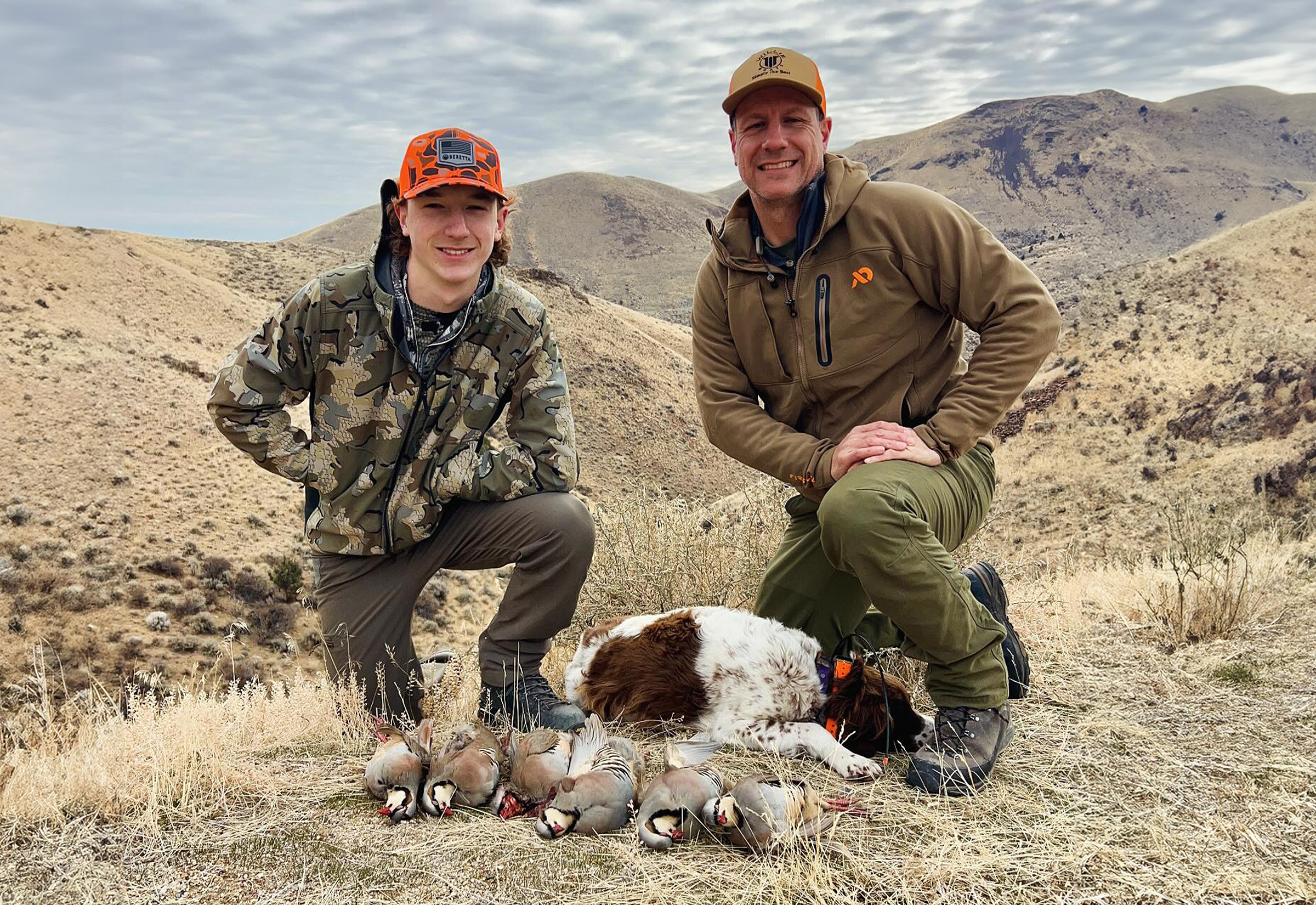
upland bird hunter and son with chukars and bird dog

Fire impacted habitat in portions of the region this summer. The Big Grass Fire burned more than half a million acres along the Idaho-Oregon line through the Owyhees; the Tartar Fire burned more than 158,000 acres north of Weiser; the Claremont Fire took nearly 7,000 acres of the Boise Foothills; and the Crooked Fire east of Idaho City is still burning as of this report. 

The Crooked Fire closure covers roads, trails and campgrounds in Unit 39’s Crooked River and Hungarian Creek country. The Tartar Fire closure has been lifted, but the burn is still there. Check the Boise National Forest alerts page and BLM's Advisories and Closures webpage before you go, and check again the morning you leave.

With the country this dry, birds will be concentrated around water and green feed well into October. Expect hunting to be similar to last year and possibly a little down, carried more by the adults that came through the winter than by this year's hatch.

Magic Valley Region

Low snow winter conditions in 2025-2026 likely benefited upland game bird survival and led to good carryover; however, drought conditions this spring through the summer likely led to poor recruitment conditions for many upland game birds throughout the region. Fish and Game field staff are reporting fair to good brood recruitment of sage-grouse, quail, and forest grouse.

Gray partridge and sharp-tailed grouse recruitment, however, seems to be down across the region with few broods observed. Surveys are not conducted for forest grouse, but these species can be buffered from drought and other unfavorable conditions because forbs and insects tend to persist longer in higher-elevation habitats and localized areas where good water sources exist. Quail also tend to be buffered from drought conditions as they are often associated with or adjacent to irrigated farmlands and riparian areas.

Pheasants are well below the long-term average due to continued habitat loss; however, localized areas in Jerome and Gooding counties still offer decent opportunity, primarily on private lands. 

With hot and dry conditions this summer, birds will likely be concentrated around water and food sources. It is expected that game bird populations will vary based on location and species, hovering around the 10-year average, but well below the highs observed in 2024.

Southeast Region

Hunter harvest and success rates declined across the Southeast Region during the 2025 upland game bird season. This was on the heels of an excellent 2024 upland season. This past year brought an extremely mild winter followed by severe drought during the summer months. 

The truth, with these types of conditions, is that we are uncertain how upland game fared this past year. Reports from staff in the field have been mixed. Although overwinter survival and nest success were likely high, the dry conditions could have hampered brood survival. Hunters are likely to experience variable upland bird numbers depending on location, species, and timing of your hunt.

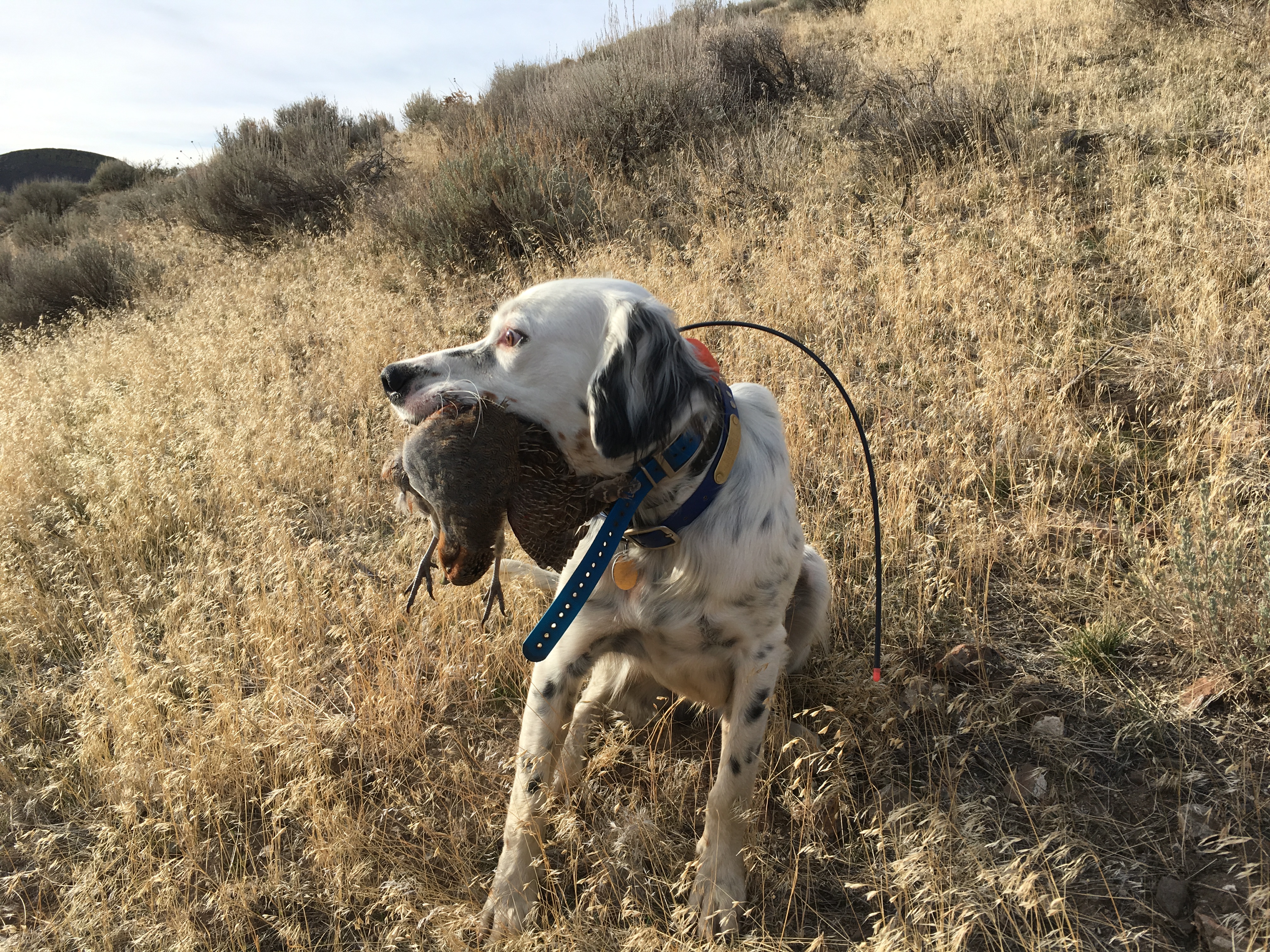
bird_dog

Upper Snake Region

The Upper Snake Region experienced a warm and dry 2025-2026 winter, with snowpack well below average and an early snowmelt. This trend continued into the spring and early summer and likely reduced the availability of insect resources, particularly at lower elevations. Summer conditions have remained hot and dry, with limited water availability across much of the region (some of the higher elevation areas did receive timely rainfall). 

These conditions are likely to have reduced brood survival in many areas, especially at those lower elevations. Overall, upland game bird numbers are expected to be slightly lower than last year, with considerable variation among species and localized areas. Additionally, sportsmen should expect distribution to be different than most years due to changes in food availability (many of the mast producing shrubs and trees produced poorly this year).

Salmon Region

The Salmon Region, similar to the rest of the state, saw a warm, dry winter followed by a dry and relatively warm spring. This likely resulted in good nest success across the landscape. However, the hot, dry summer may have resulted in a mixed bag for brood survival with smaller broods in some areas. That said, with a couple years of milder weather conditions, the overall trend for most upland game bird populations should be upward. 

Field reports from officers and biologists suggests that chukar numbers are average across the region with pockets of higher production. Forest grouse at higher elevations seem to have fared well with good numbers of young birds observed. Similar to chukars, sage-grouse numbers are average with some areas of higher production because of timely rainfall during the summer. Hunters should plan their hunts with flexibility in mind to find the areas with the best bird numbers. 

Additional information

To find places to hunt upland game, check out the Hunting Access webpage, which includes Fish and Game's Wildlife Management Areas and Access Yes! properties.

Wildfire impacts

As wildfire activity continues across Idaho, hunters preparing for upcoming seasons should be aware of potential impacts to their hunting areas and know what options are available if a fire affects their hunt.

Idaho Fish and Game is monitoring wildfire activity. The department may temporarily close Fish and Game-owned lands when necessary or coordinate with other state and federal agencies — Bureau of Land Management, U.S. Forest Service, and Idaho Department of Lands — to protect public safety or support firefighting operations. Hunters should stay informed about closures and restrictions in the areas where they plan to hunt by watching for updates and press releases from their local Fish and Game region.

To learn more about how wildfires can impact hunting seasons, check out our “Fire and Fall Hunting” guide on our website.

Wing barrels

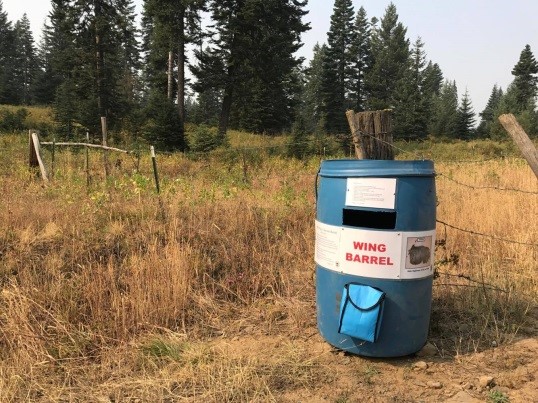
And hunters, don’t forget about wing barrels! Located along popular access routes, wing barrels are a great way to help biologists get an overall picture of how many juveniles make up upland game bird populations. Next time you’re heading back from the field, please help out and donate a fully-feathered wing from each upland game bird you harvested.

wildlife_original

Because check stations and wing barrels sometimes miss upland game bird hunters, Fish and Game also uses a mail-in wing program, specifically to maximize collection of sage-grouse wings. Hunters who purchased a sage-grouse tag will receive a packet in the mail with specific directions and a pre-paid return envelope. 

You can read more about wing barrel donations and mail-in collections in Regional Communications Manager Jennifer Jackson’s press release.

To learn about upland game bird hunting rules and seasons, and more information, see Fish and Game's Upland Bird Hunting webpage. Be sure to pick up a copy of the 2026-27 Upland Game, Furbearer and Turkey Seasons and Rules booklet from all Fish and Game offices and license vendors, as well as digitally on Fish and Game’s website.