idfg-badge

Idaho Fish and Game

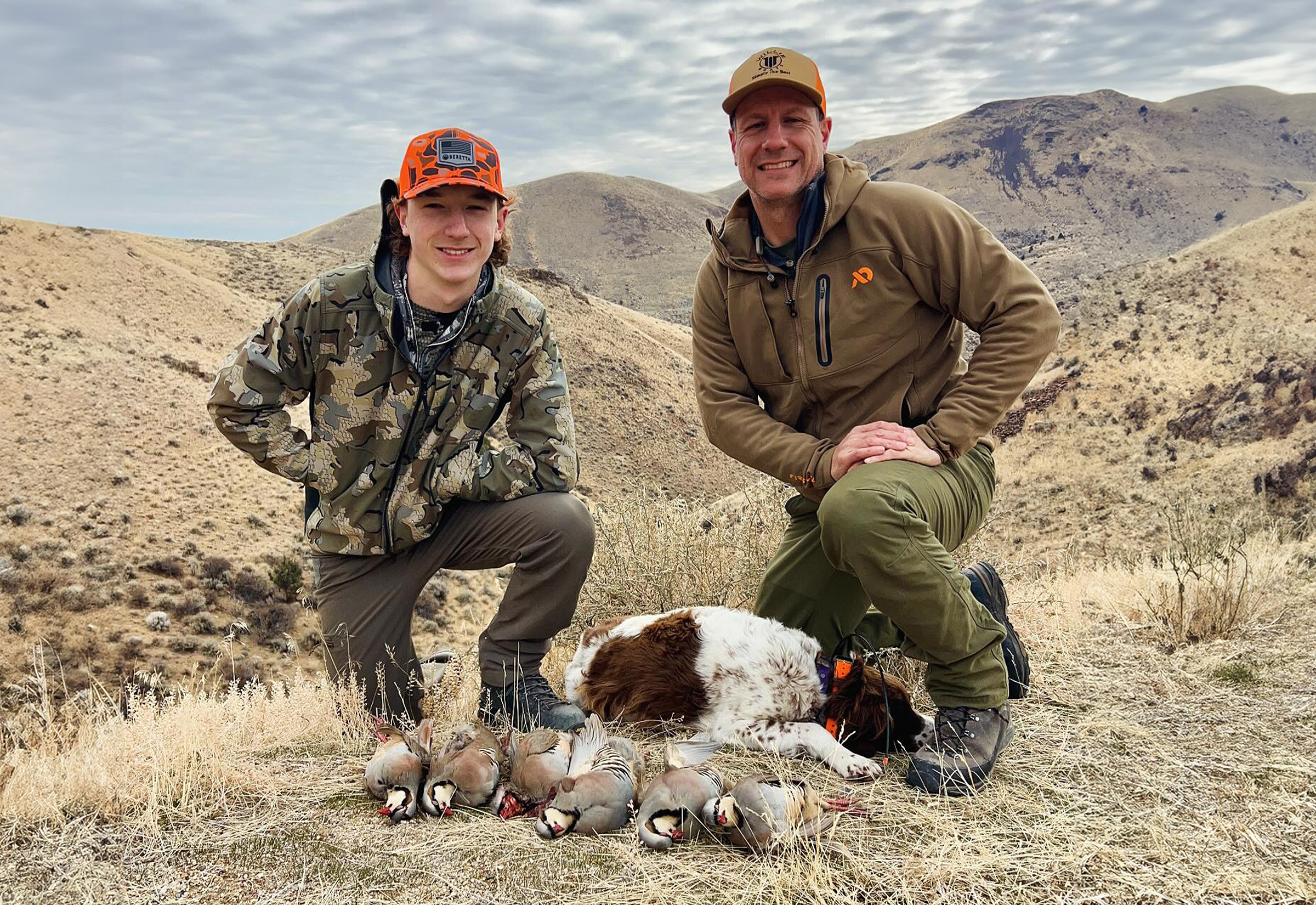
upland bird hunter and son with chukars and bird dog

2025 Upland Game Bird Forecast

idfg-cliess

Overview

Idaho, with one of the most rugged landscapes in the union, offers a ton of upland game bird hunting opportunities. Whether you find yourself in the high-mountain timber or the lowland-sagebrush steppe, there’s a good chance you’re in upland bird country.

Upland game birds are sensitive to environmental factors—like temperature and precipitation—and often vary in number from year to year. Oftentimes these can be very localized, so hunters may not see the same impact in other parts of the state.

wide shot of a man and boy with dogs dressed in hunter orange hunting October 2015

Because of this, it’s difficult to provide a forecast across the board; however, Idaho Fish and Game Upland Game and Migratory Game Bird Coordinator Jeff Knetter says last year’s mild winter juxtaposed by this summer’s lack of water could be tough to determine just how upland hunting will be come September.

"Weather during late spring and early summer was warmer and drier than in 2024,” Knetter said. “And, the landscape’s been exceptionally dry all across the state this summer, so I anticipate production will likely be down from very high levels last year. I am cautiously optimistic upland game bird hunting will remain above average this fall.”

Speaking of last year, Knetter added that chukar and gray partridge saw historic 25-year highs in harvest according to hunter surveys. That’s excellent news if you’re an upland bird dog or hunter. And depending on how the rest of summer and early fall shakes out, we very well could see some of last year’s productivity carry into this season.

Overall, habitat conditions should be in good shape, and there should be an abundance of insects for brood rearing. Because of drought conditions, birds will likely concentrate around water sources, particularly early in the season.

There's ample opportunity for upland hunters to pursue a wide variety of birds across diverse landscapes in Idaho, and upland birds in some areas will have fared better than others depending on localized conditions.

To provide an idea of what's available this hunting season, Fish and Game's wildlife biologists in each region compiled an overview of upland game birds in their necks of the woods, so hunters can get a look at their favorite areas and quarry.

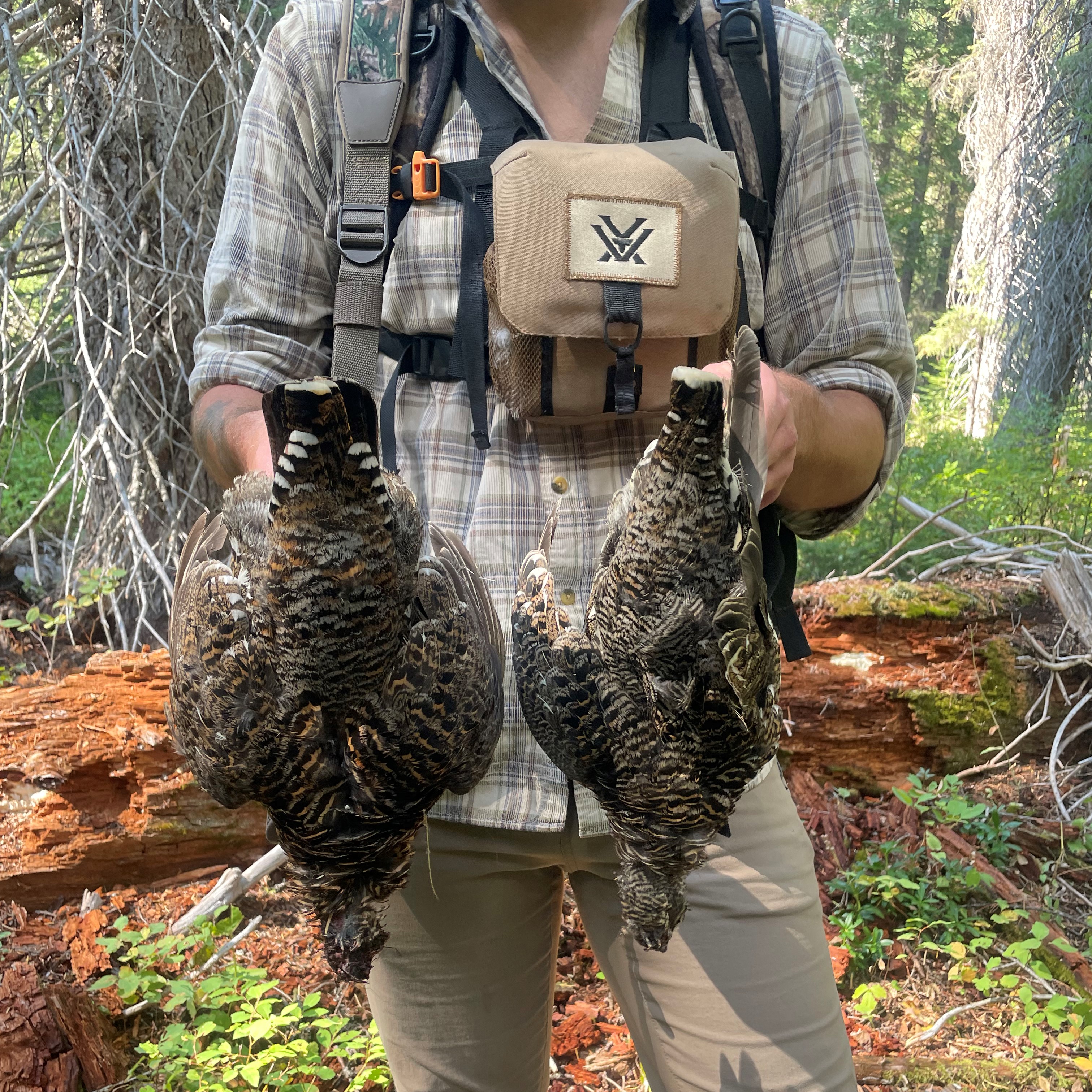
grouse_hunter_cropped_liess_2022_82387378

To find places to hunt upland game, check out the Hunting Access webpage, which includes Fish and Game's Wildlife Management Areas and Access Yes! properties.

To learn about upland game bird hunting rules and seasons, and more information, see Fish and Game's Upland Bird Hunting webpage. Be sure to pick up a copy of the 2024-25 Upland Game, Furbearer and Turkey Seasons and Rules booklet from all Fish and Game offices and license vendors, as well as digitally on Fish and Game’s website. 

Regional Forecasts

Panhandle Region

Early spring brought some moisture to the Panhandle; however, it dried up relatively quickly and remained dry throughout the summer. Despite the warm, dry conditions experienced this spring and summer, upland game bird populations appear to be relatively stable in the region. Pheasant, gray partridge (huns), and quail are uncommon and largely restricted to the southern portions of the region.

Clearwater Region

Early spring rains provided good nesting and brood rearing conditions for upland game birds across the Clearwater, but precipitation tapered off quickly and was followed by hot, dry weather. The early moisture contributed to good brood success; however, the prolonged summer heat likely tempered recruitment for forest grouse, quail, pheasants, and gray partridge (huns). 

Even so, populations remain good across the region, offering consistent opportunity for these species. Chukar populations, on the other hand, responded well to the conditions. Biologists have observed very good survival of young and robust populations in the Salmon and Snake River drainages, suggesting excellent hunting prospects this fall.

Hunters should expect productive outings, especially when focusing efforts around water and food sources where birds will concentrate during the dry, late summer and fall.

Southwest Region

Following an exceptional 2024 fall, the Southwest Region entered spring 2025 warmer and drier than last year compared to typical late-spring norms. By midsummer, drought expanded across Idaho, still affecting the southwest but generally less intensely than some neighboring regions. This pattern likely trimmed production from 2024’s high levels, but strong overwinter carryover should keep hunting around average to above average where moisture, irrigation, and green-up persisted. Expect more variability across the region than last year.

Magic Valley Region

The Magic Valley’s 2024 upland game bird season was exceptional across the region. Average winter conditions in 2024-25 likely benefited upland game survival and led to good carryover. While cold and dry conditions this spring likely led to poor habitat conditions for upland game birds throughout the region, Fish and Game field staff are reporting good numbers of quail and partridge across the region. 

Pheasants are well below the long-term average due to continued habitat loss; however, localized areas in Jerome and Gooding counties still offer decent opportunity, primarily on private lands. Surveys are not conducted for forest grouse, but these species are somewhat buffered from drought and other unfavorable conditions because forbs and insects tend to persist longer in higher-elevation habitats.

With hot and dry conditions this summer, birds will likely be concentrated around water and food sources. While the mix of both good and bad conditions for upland game birds over the past several years has made it difficult to forecast numbers in the fall, it is expected that game bird populations will again be above the 10-year average, but not as high as 2024.

Southeast Region

The 2024-2025 winter was slightly above the long-term average for most of the Southeast Region. Snowmelt happened quickly in the spring with intermittent rain at the beginning of summer. These conditions should have been favorable for nesting upland game. As summer progressed it became hot and dry, which might impact brood rearing success in some areas. In general, upland game bird hunters have experienced increased populations the last two years and although field reports are mixed, biologists expect similar to slightly improved numbers of upland birds this year. 

Upper Snake Region

The Upper Snake Region experienced average precipitation during the 2024-2025 winter. The spring conditions followed this trend, with sporadic precipitation and conditions that should have been generally favorable to nesting. We did experience one snowfall/hail event at higher elevations during the late nesting/early brood rearing period. The summer months were very dry, which could have negative impacts on brood survival in localized areas. Overall, we expect numbers to be similar to last year, although dry conditions may have impacted numbers in localized areas.

Salmon Region

The 2024-25 winter was an average winter. Spring conditions were dry and relatively warm, and likely resulted in good nest success across the landscape. With a couple years of milder weather conditions, the trend for most upland game bird populations should be upward.

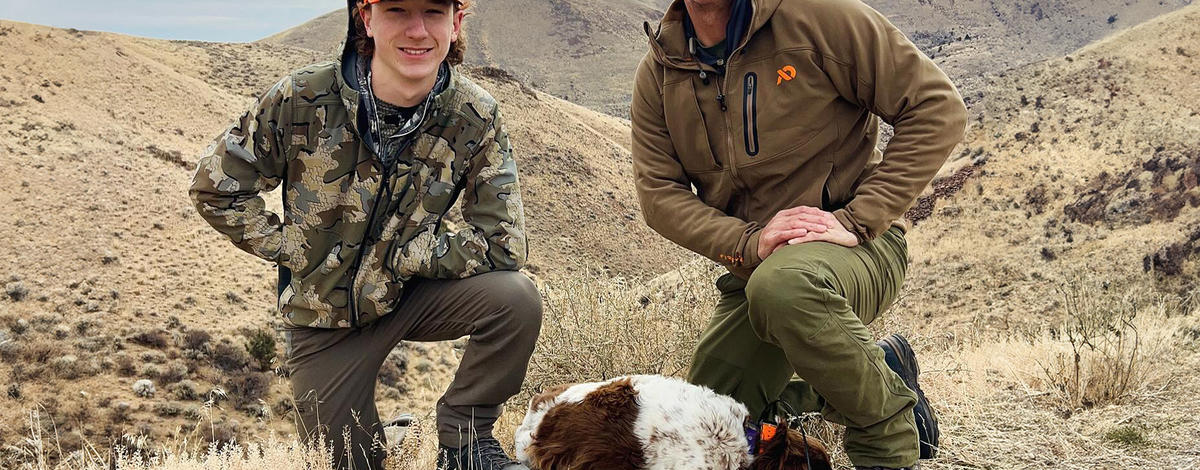
upland bird hunter and son with chukars and bird dog